In the industrial era, economic growth has become equated with human progress, writes Jules Pretty, with a fundamental assumption that material growth and consumption inevitably leads to improvements in our well-being. Now think again ...
Our economies and our jobs depend on mass consumption, argues Oliver Williams. If we all consume less to save the planet, the economy will tank and millions will lose their jobs. The answer is not frugality, but reductions in population.
Ecuador is facing an unprecedented confrontation between a 'progressive' left-leaning government and a national coalition of indigenous peoples determined to stop vast oil and mining projects taking place on their community land and villages.
You can actually be better off, healthier and happier with less consumption, says Munasinghe. And it's not just rich countries that need to change, he told Noah Sachs - poor countries too must develop sustainably, or the Earth's resources will simply run out.
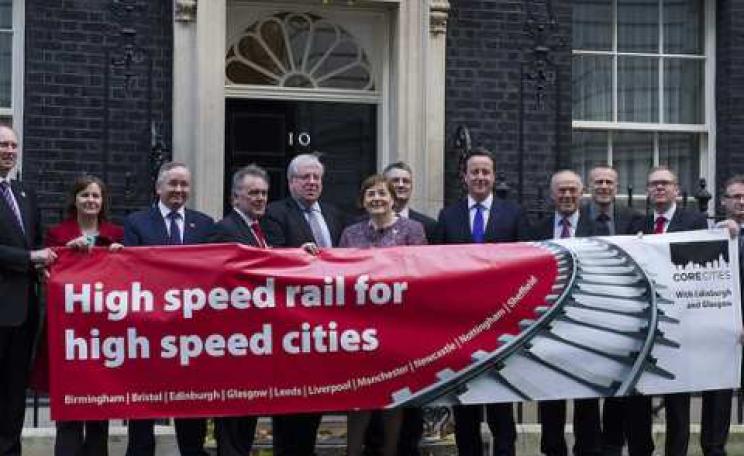
Supporters of HS2 assert that it will cause prosperity to trickle down from London to the entire North of England, writes Tony Payne. But economic theory and hard experience tell us that the reverse is more probable - that it will help London to 'suck out' northern wealth.
Where does money comes from? In the 97% of the money we use is created by commercial banks out of thin air, as they advance credit. Charlotte Jackson argues that this system costs us all dear - as citizens, debtors, taxpayers, and as victims of economic instability
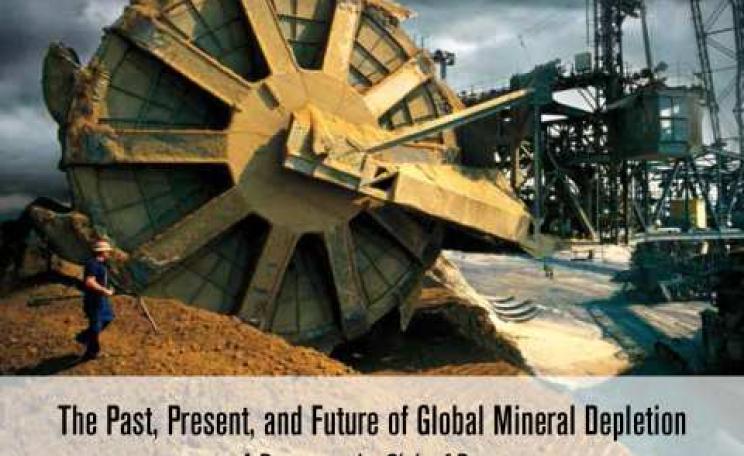
Are we going to run out of minerals? That's the central question of a debate that has been raging for a couple of centuries, writes Ugo Bardi, when it first became clear that minerals are not life forms - and do not reproduce as we extract them from the Earth's crust.
Most of Europe is in a state of low economic growth, and it's likely to go on for a long time yet. So let's get good at it, writes Rupert Read, and build 'post-growth' economic systems that work for people and the environment - not just plutocrats.
Financial experts warn investors that their money is being used by oil companies for high-risk projects, reports Paul Brown, on the assumption that oil prices will go on rising, with little or no regard for climate change. $1.1 trillion could be at risk.
Talis Kalnars was a pioneer of 'continuous cover' forestry in Britain, writes Phil Morgan. His woodlands were not only beautiful but profitable, as he nurtured the 'natural capital' of the forest ecosystem, and only harvested the dividend of high value timber.
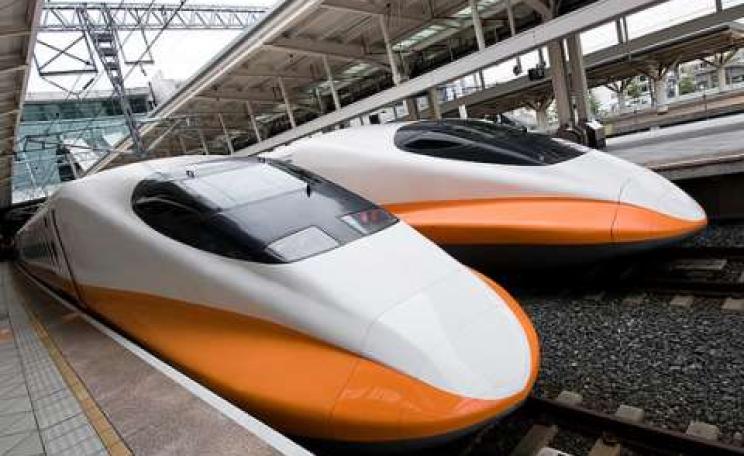
HS2, the UK's £50bn+ high-speed rail project to speed travel between London and Birmingham - and eventually Manchester and beyond is colossal waste of money, writes Rupert Read. The resources should be used to fund sustainable local and regional transport schemes.
One of the world's biggest fund managers has joined forces with London's FTSE group, writes Rebecca Cooke, to steer investors away from putting their money into risky oil and coal investments.
Well-being is not just a luxury for good economic times, writes Christine Berry. Reducing poverty and promoting equality are more important economic goals than the pursuit of endless growth.
A study of 245 large dams carried out at Oxford University shows that big hydropower is uneconomic. Actual costs are typically double pre-construction estimates - and have not improved over 70 years. ASEAN energy ministers take note!
Green growth is a myth, writes André Reichel, because it ignores the social, political and personal dimensions of sustainability. Instead we must plan for economic 'de-growth' - and go for growth only in the areas that really matter, like culture, learning and joy.