If the thought of investing makes you go cold, it might be time for a rethink. As Ruth Styles and Ben Hudson discovered, there’s a growing number of ethical investment funds out there making your money work hard for the planet
In a major investigation and film, the Ecologist takes a look at how volatile financial speculation on food commodities is causing hunger and poverty in Mexico - and around the world
US Investment bank Goldman Sachs convinced government officials in the early 1990s to allow it to start gambling on the price of food. Alan Bjerga explains how they did it
Before rushing to finance projects in Africa and the Middle East, the European Bank for Reconstruction and Development (EBRD) should address its environmental and social lending criteria, says Fidanka Bacheva-McGrath
The financial industry has been quick to dismiss its role in pushing up food prices but with the evidence growing daily the Ecologist cuts through the jargon to explain the reality of food speculation
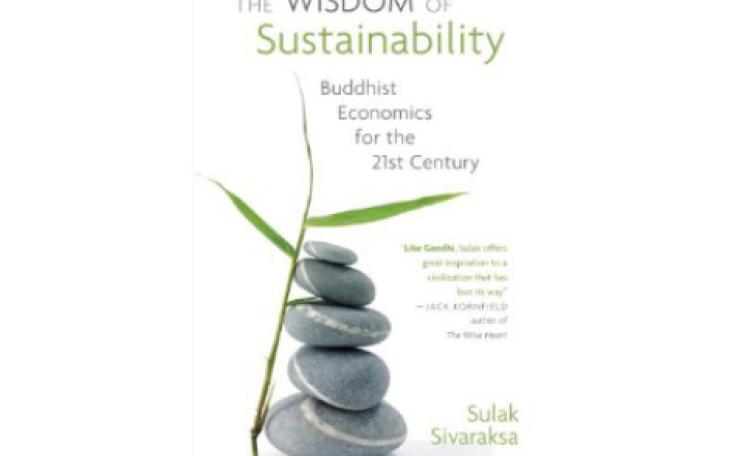
Combining a detailed dissection of our unsustainable economy with an introduction to Buddhism, Sulak Sivaraksa’s economic vision provides an alternative to globalisation
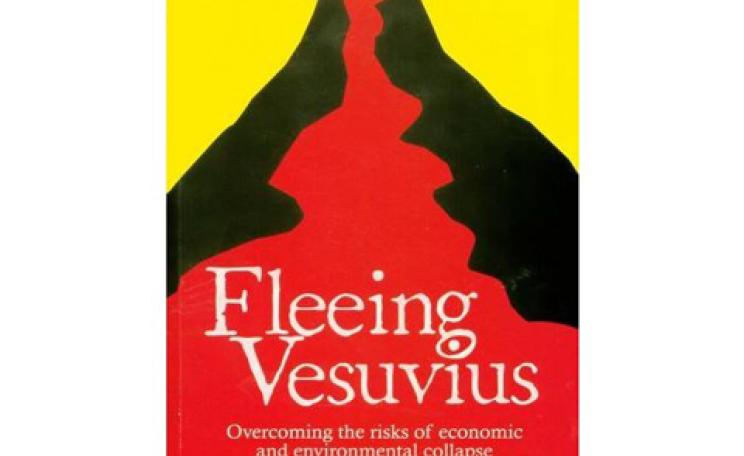
Although arguably reductive in its initial analysis, Fleeing Vesuvius is a refreshingly uncompromising critique on almost every aspect of current global trends
Filmmaker, campaigner and environmental pioneer Helena Norberg-Hodge talks to Jemima Roberts about her latest film - The Economics of Happiness - the damage globalisation is doing, and what can be done to counter it
A new Carbon Connect report argues that the private sector can save cash, carbon and safeguard the UK’s future fuel security by adopting energy efficiency measures to reduce UK energy demand
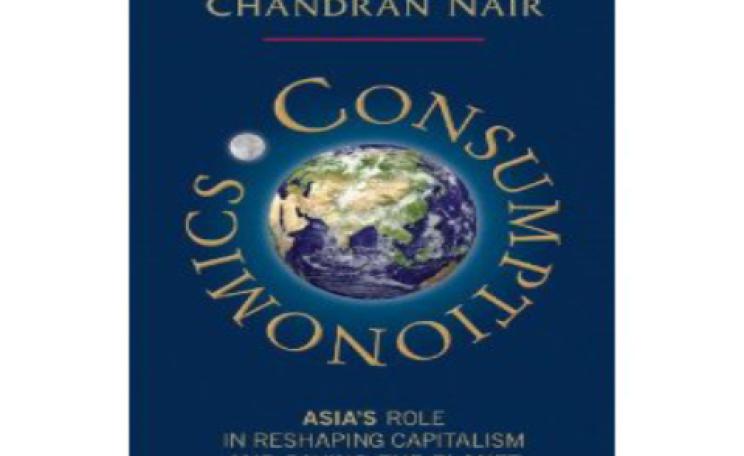
Asia is growing at an unprecedented rate and consumption is following a similar trajectory. This, argues businessman Chandran Nair in his new book, could have dramatic consequences for the environment
A sneak preview of Helena Norberg-Hodge's epic documentary which examines how 'going local' is a powerful strategy to help repair our fractured world - ecosystems, societies and individuals
Can the cut-throat, speculative world of the stock market be used to hold businesses to account for environmental damage and human rights abuses? Chris Milton investigates for the Ecologist
George Osborne pledged £1billion to a green bank that could help Britain reduce carbon emissions. But with low carbon technologies unproven, banks, institutions and energy companies are wary, meaning the venture may not attract the capital to make it viable