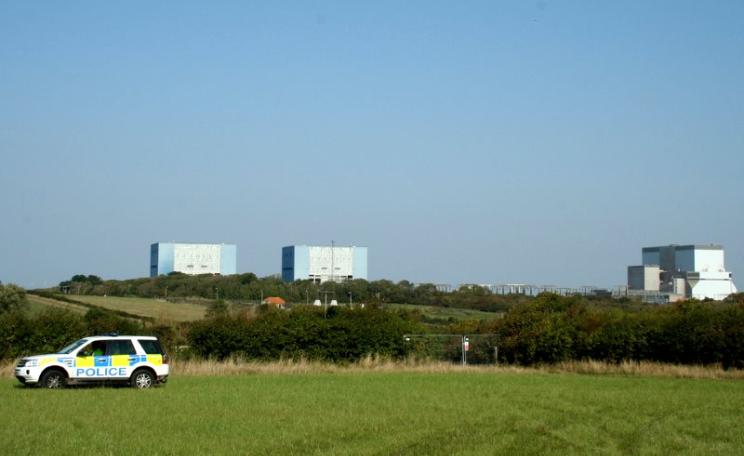
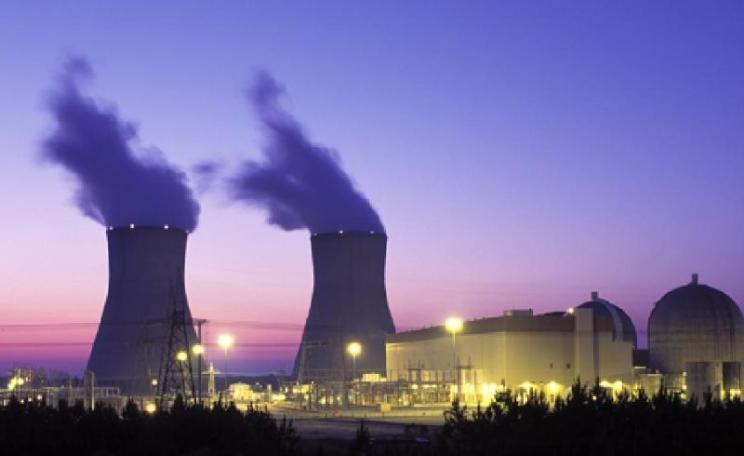
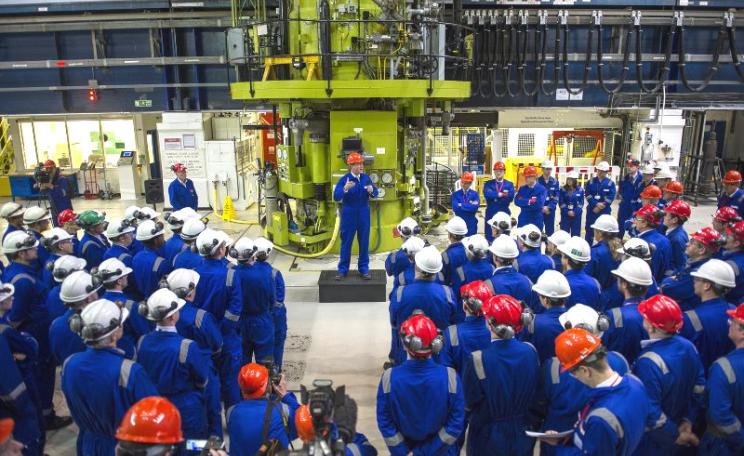
Following high-level criticisms of the Hinkley C nuclear plant from HSBC and the Chancellor's father in law, EDF, the company in line to build the power station, is fighting back hard, writes Oliver Tickell. But it could all be too late to rescue the doomed project.
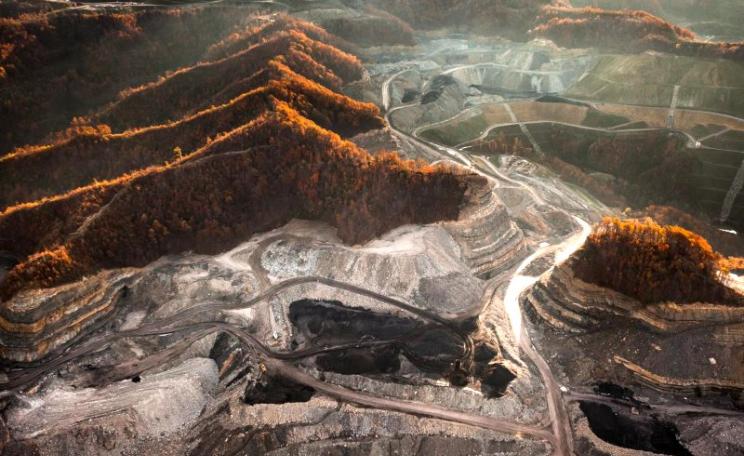
There's one big thing that Britain's biggest banks could do to reclaim their grievously impaired reputations, writes Greig Aitken: commit to stop investing in coal projects. As well as reducing climate change and local environmental impacts, it would also 'de-risk' their balance sheets as the global tide, from the US to China, turns against the dirty, carbon-heavy fuel.
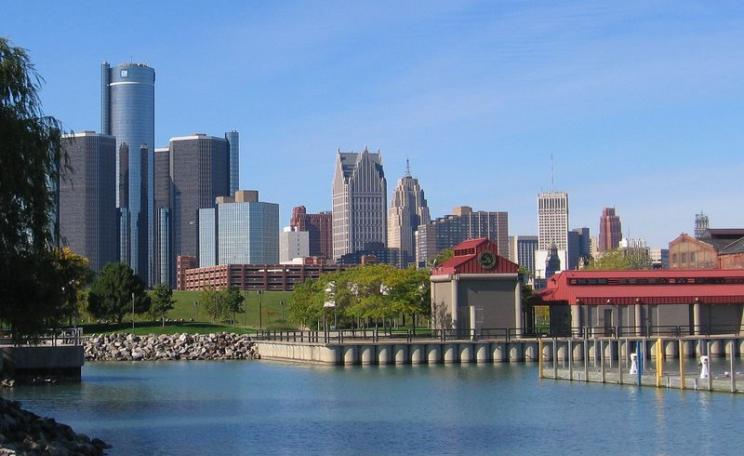
Detroit is the site of a neoliberal experiment that's already being repeated elsewhere, writes Chris Grove, with unpayable debt used to force the privatization of public services and the terminate democratic power and accountability. But as the city's poor find themselves cur off from water, a new, wider conception of human rights is emerging from the wreckage.
A transformative, progressive political agenda focused on human wellbeing has morphed into a new form of behavioral management, writes William Davies. Happiness itself has been packaged, commoditised and put to the service of capital - and if you haven't got it, the Happy New World has no place for you.
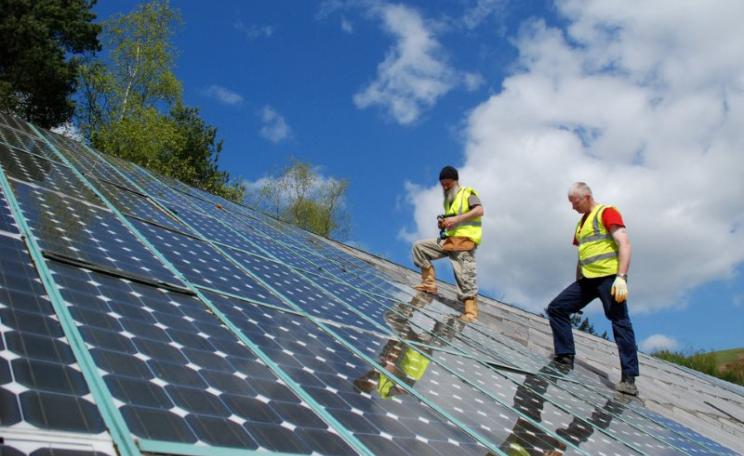
Never mind government inaction (or worse) on climate change, writes Assaad W Razzouk. Solar power costs just keep on falling, and it's already providing the lowest cost electricity across much of the world. With $7 trillion of investment piling into the sector, the momentum is now unstoppable.
Forget tariffs, forget Obama's promises. The whole point of modern 'trade agreements' is to whack pesky labor, environment and health laws, writes David Morris, and so empower capital and corporate power against regulators, governments and democracy itself. Unconvinced? Just imagine what these deals would look like if they were there to empower people.
Before the election David Cameron promised to increase funding for cycling to £10 a head across the UK, up from its current £2 outside London, writes Matthew Ford. But with the national cycling and walking strategy coming into force this week, that promise is looking ever less likely to be delivered.
The UK government has announced massive cuts in support for solar roofs and farms that appear designed to undermine investor confidence just as the technology is on track to be subsidy-free by 2020.
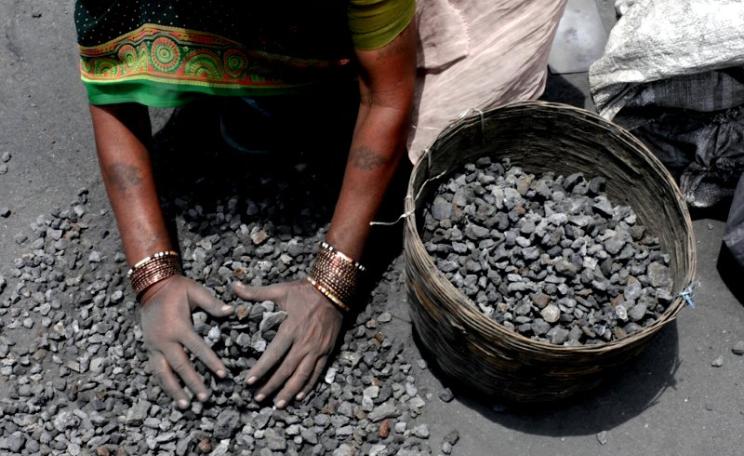
Coal companies and their 'sceptic' shills have almost given up on denying climate change, writes Brendan Montague. The new message is that coal is essential ... to end world poverty! And those who advocate climate action are 'harsh, cold-hearted' beasts. The one thing that hasn't changed? It's all lies.
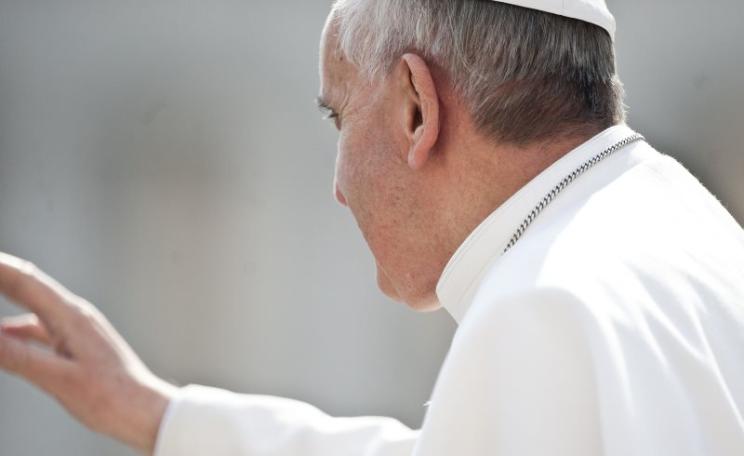
The world has become intolerable for people everywhere, and for Earth herself, says Pope Francis. Profound, transformative change leading to social and economic justice is now an absolute necessity and something we must all fight for. We must also act to safeguard the Earth herself, our common home.
As nuclear projects using the EPR design run into long delays and huge costs overruns, industry hopes are pinned on the Westinghouse AP1000 reactor, writes Chris Goodall. But with eight AP1000 projects around the world going the way of the EPR, is it really a wise choice for the UK's Moorside nuclear site?
A second legal challenge to the UK's proposed Hinkley C nuclear power plant in Somerset was launched this morning by ten renewable and municipal power suppliers in Germany and Austria, citing grave distortions to European energy markets.
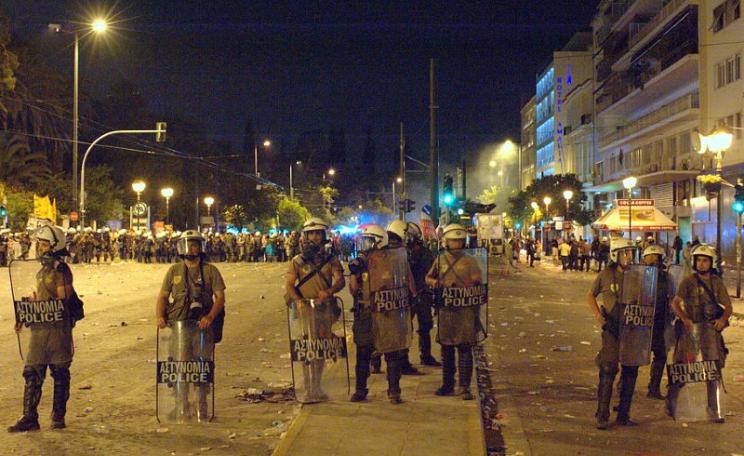
Supporters of Greece's fight for sovereignty are unanimous in blaming the evil troika for its humiliating defeat, writes Oliver Tickell. But the real fault is with Syriza for their needless, shameful surrender. Now, as the real battle begins, we must hold firm with the Greek people against neoliberal occupation.
In her new book The Vandana Shiva Reader, the celebrated campaigner and scientist deplores the way in which the Green Revolution forced India's poorest farmers off their land, writes Colin Tudge. Now she fears even worse outcomes in Africa where a GMO-fuelled farming revolution is under way.
The UK government kicked away one of the main financial supports for renewable energy in yesterday's budget. The surprise move will cost the sector £3.9 billion over the next five years and undermines any prospect of the country meeting its EU renewable energy targets.