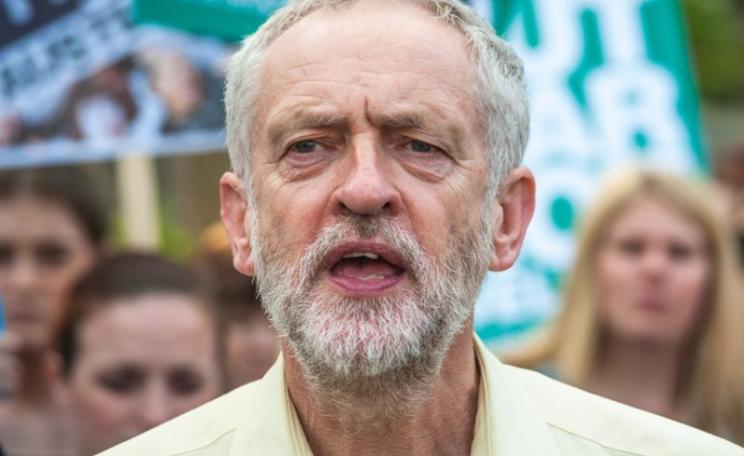
Consumers are routinely ripped off in an anti-competitive retail energy market dominated by a handful of big, polluting companies, writes Stephen Hall. Jeremy Corbyn's vision of a nimble, decentralised energy democracy with rapid development of renewables and real choice is both timely and innovative.
Nuclear power advocates cling like limpets to the idea of 'baseload' power, writes Michael Mariotte. No surprise there - it's the only selling point they've got. It's just too bad the idea is obsolete. Variable renewables combined with stronger grids, energy storage and responsive demand can do a better job for less money. No wonder the shills are getting desperate.
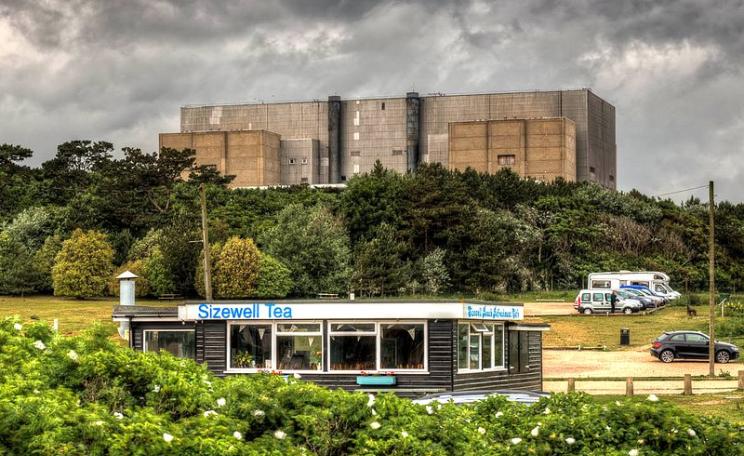
The notion that nuclear is cheaper outside the UK is a myth, writes David Toke. Yes, it looks more expensive here - but only because new stations like Hinkley C have to compete in an electricity marketplace, making it harder to conceal the true costs like we used to.
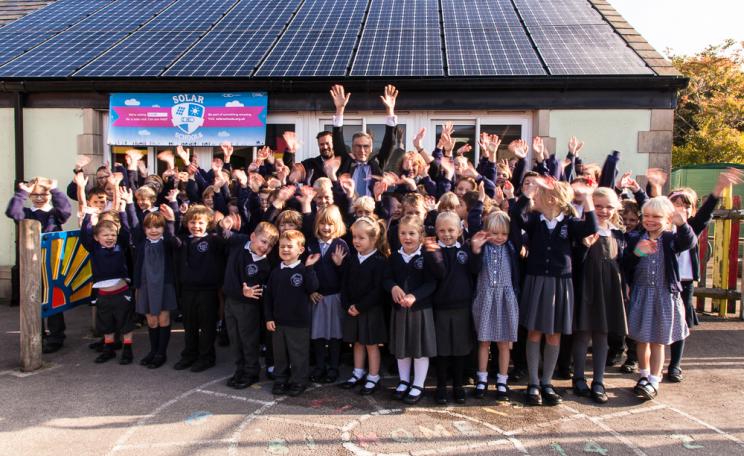
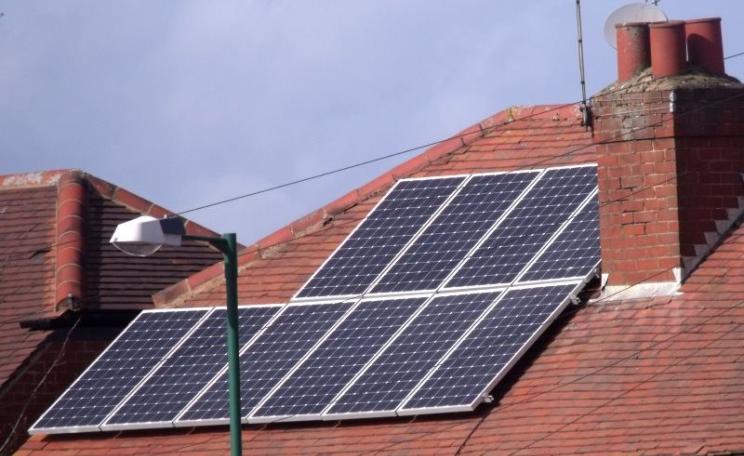
How comes doing 'the right thing' comes with hidden costs? For state schools planning to go solar this year the business rate hike would reduce the lifetime return of the panels to zero or even negative, while those that have have already installed solar panels face an unexpected tax bill in excess of £800 a year.
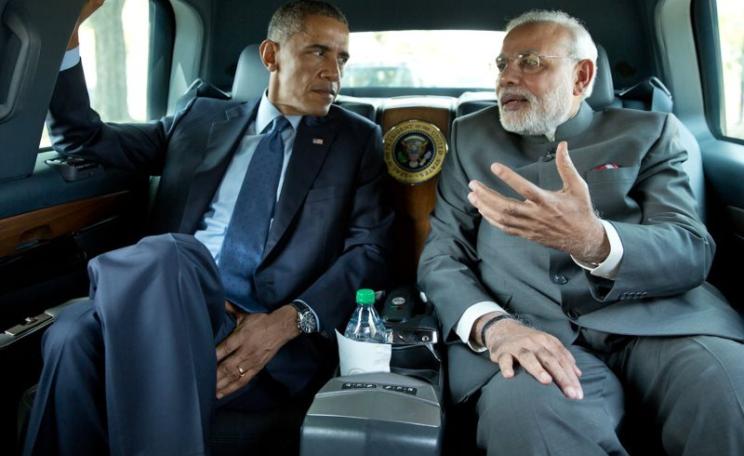
President Obama and India's Prime Minister Modi are best of friends - aren't they? So how come the US took India to the WTO's trade court - and just won a resounding victory? And why isn't India challenging the US's own discriminatory solar subsidies? It's because of the money, writes Charles Pierson. And poor India has no choice but to play by Washington's rules.
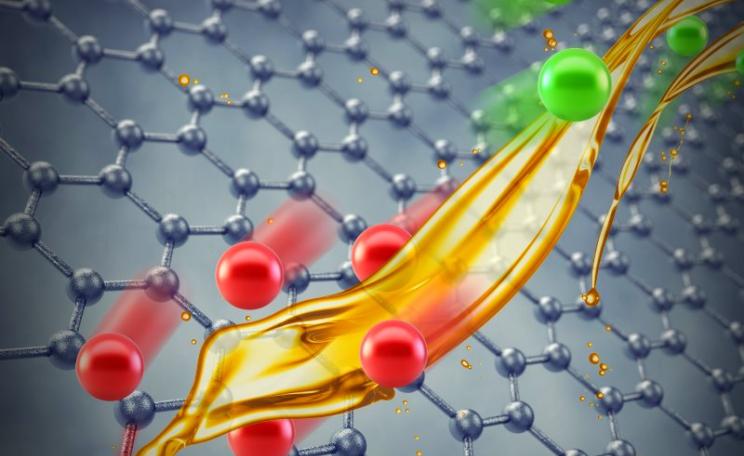
A new generation of energy storage devices is on its way, writes Mark Douthwaite: small, lightweight, efficient, long lived. Just what we need to unleash the potential of renewable energy, electric cars and a decentralised power grid. And it's all thanks to graphene.
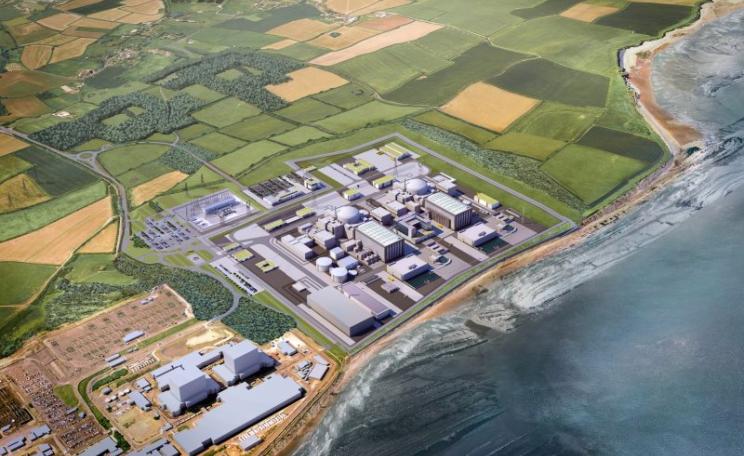
EDF has indefinitely postponed its Hinkley C nuclear plant in Somerset, England, as a new IEA analysis shows that its power will cost UK energy users three times more than it should, writes Oliver Tickell. A similar reactor in France is running six years late and three times over budget - and may never be completed.
It's tough being a filmmaker on the front line of environmental defense, writes David Lavallee - challenging corporate control of the Earth's resources, not to mention governments and security services, all of them intent on extracting every last drop of oil and gas from the world's most pristine places. All the more so when holding a camera makes you an instant 'eco-terrorist'.
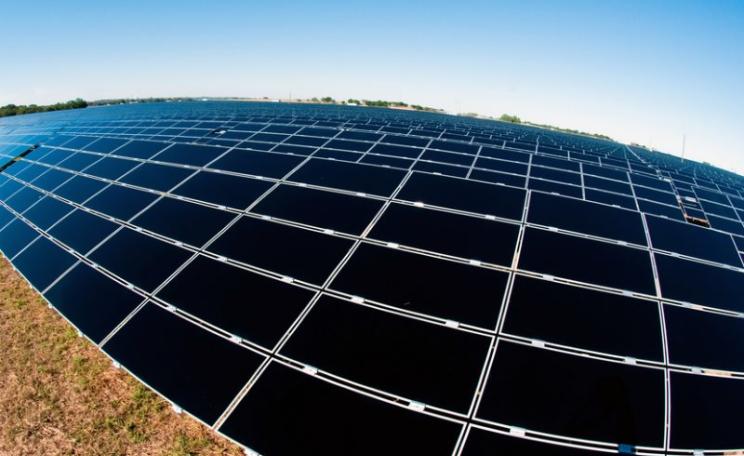
Solar PV costs have fallen by 75% over five years ago, writes Chris Goodall, making it the cheapest new power source for around half of the world's population. Now it's essential to keep incentives to drive demand for a few more years, and make it cheaper than fossil fuels everywhere.
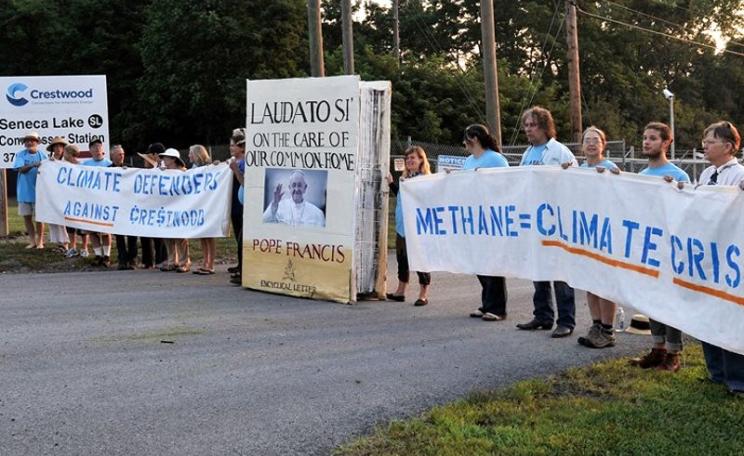
Protests against plans to make an enormous storage site for fracked gas at Seneca Lake in New York state seven times bigger are gathering pace, writes Ashoka Jegroo, with 13 arrests at a gate blockade last week. But is the company, Crestwood, getting the message?
Ukraine's state-owned nuclear generator is suing anti-nuclear activists in its latest attempt to stifle public debate over the country's ageing fleet of 15 nuclear reactors, while refusing to release information in breach of international obligations.
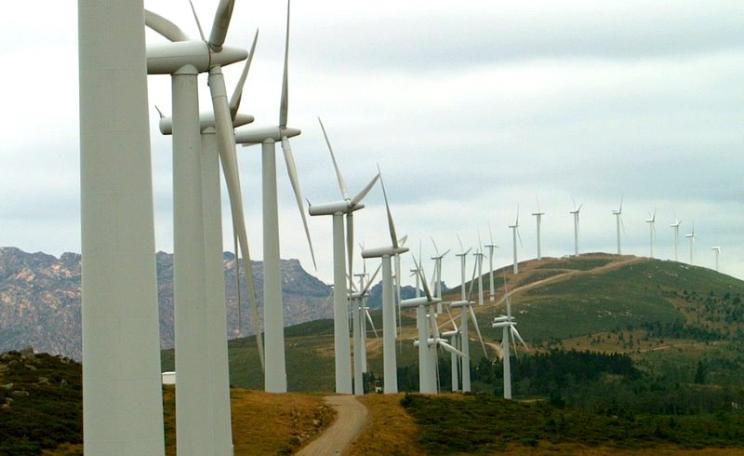
The Tories' decision to scrap the UK's renewable energy sector deserves condemnation, writes Oliver Tickell. But there is a silver lining: it creates the space in which to design better, cheaper, more cost effective support mechanisms to drive the clean energy revolution forward.
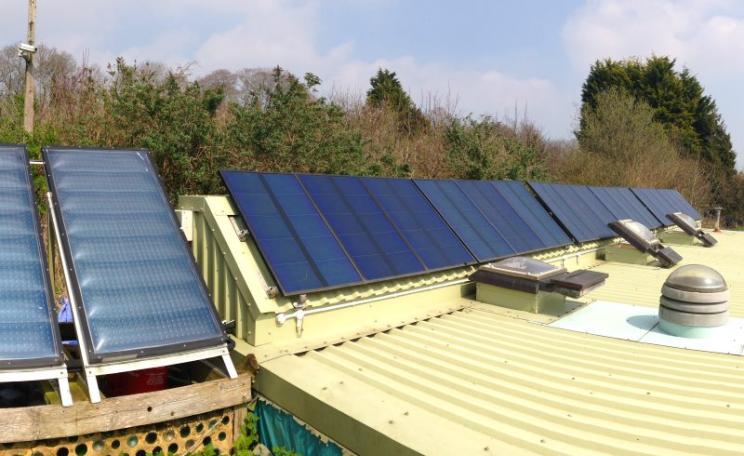
The UK government is to cut support for domestic rooftop solar to 13% of current levels, with similar cuts for bigger systems, and end all support for small scale renewables by 2019. The likely result, and surely the intention, is to kill off the UK's solar industry altogether.
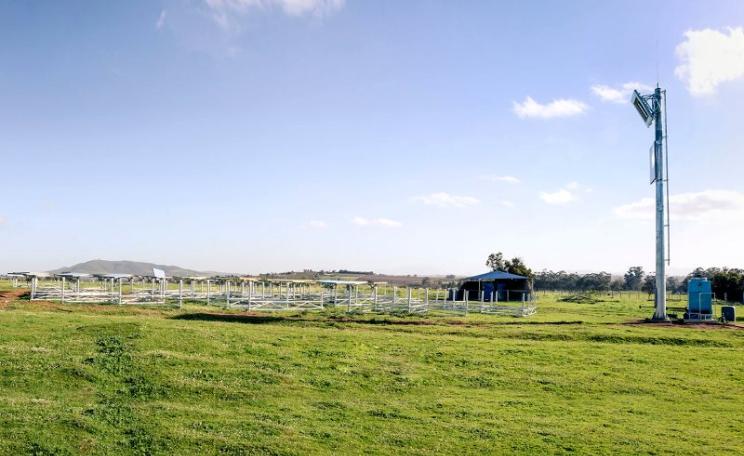
The 'other' solar technology, CSP, which uses mirrors to concentrate the sun's rays, is about to get a lot cheaper, writes Jeffrey Barbee. A South African team has developed a low cost design suitable for mass production that can be 'plonked' on site straight from the factory.
Despite Labour's 'great purge' of left-leaning voters in the leadership election, Jeremy Corbyn remains the odds-on bookies favourite. So if he comes to power, what policies can we expect in energy and climate change? Damian Kahya asks the questions ... and is astounded at the range and scope of his ambitions. But how much could he really deliver?