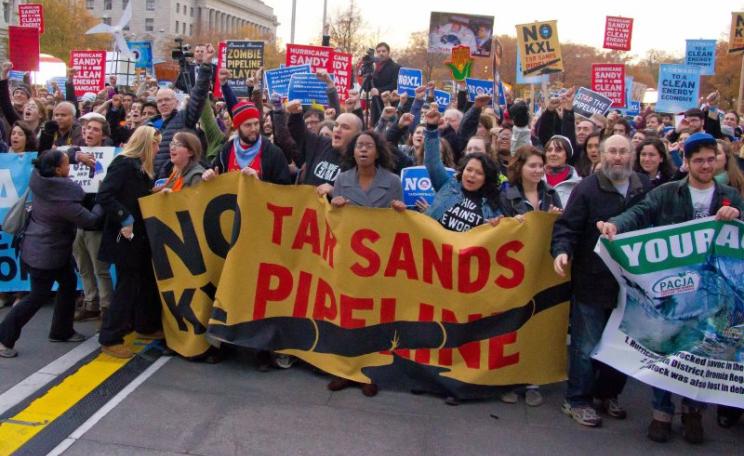
US President Obama today refused to permit the 1,200 mile Keystone XL pipeline from Alberta to Nebraska that would have carried 800,000 barrels of oil a year of tarsands oil into the US, citing climate concerns.
The UK's nuclear deal with China makes no sense, writes Jeffrey Henderson - unless you factor in the simultaneous agreement to forge lucrative links between UK and Chinese financial markets. Lucrative, that is, for the City institutions whose interests the British government so assiduously represents. As for the rest of us, our task is simple: to bear the ever-growing cost.
The world could soon be generating all its electricity from renewable sources, writes Dave Elliott, by harnessing diverse technologies for generation, grid balancing and energy storage. Add to that the use of power surpluses to make fuels, and it could even be feasible to make all our energy - not just electricity - renewable. A clean green future beckons.
What's the new 'big thing' in energy? Of course, cheap, abundant solar power is very new and very big. But to make it work on a really large scale we need to be able to store its energy to use when we need it, not just when the sun is shining. Soon the batteries will be there to make that possible - at a price we can afford. And that will be a very big thing, indeed.
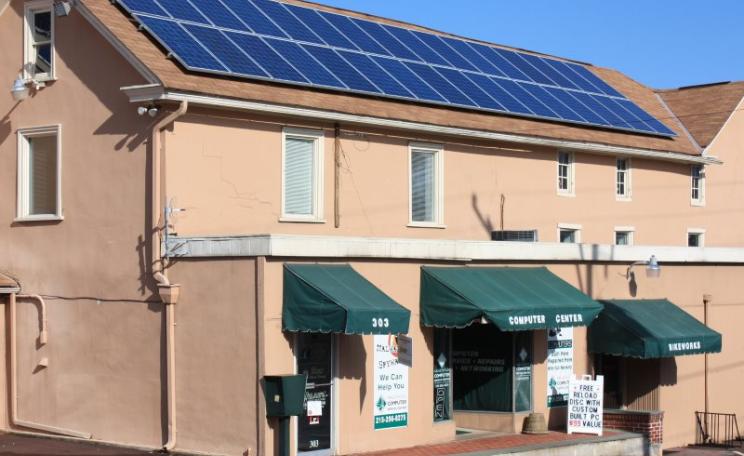
An analysis of power prices in the US state of Pennsylvania shows that if solar power increased from the 0.1% of electricity it supplies now, to 5%, then all customers would save $25 a year. Far from 'net metering' for solar being a 'burden' as utilities claim, it makes money for them, and their customers!
Another week, another renewable energy cut. This time George Osborne is swinging the axe at tax breaks for community renewable energy schemes, writes Aisha Gani - even though previous cuts have already made 90% of projects unviable.
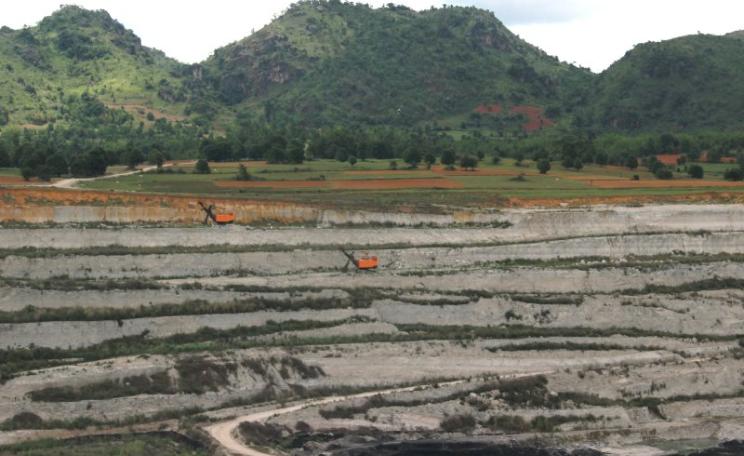
The president of Burma has decided that coal is the way to future wealth and prosperity, write Carole Oudot & Matthieu Baudey. But if the experiences of farmers and village people near Tigyit, site of the country's biggest coal mine and coal-fired power plant is anything to go by, it will bring only poverty, pollution, ill-health and land grabs to rural communities across the country.
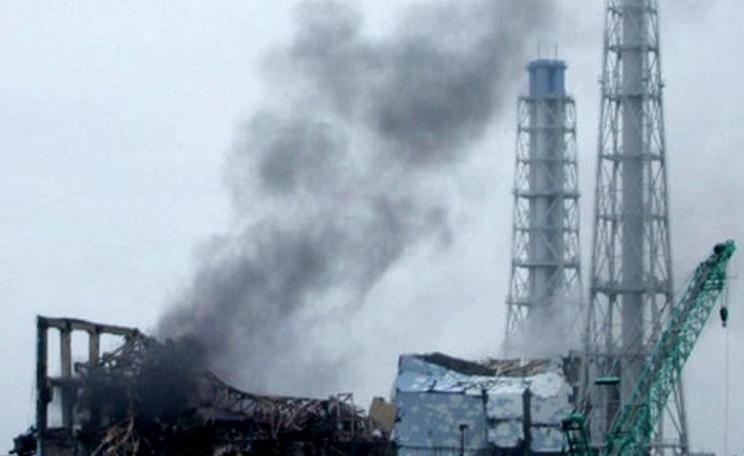
China's plans for 400 nuclear reactors threaten global catastrophe, writes Oliver Tickell. In the normal way of things we could expect major accidents every few years, but with 300 reactors along China's seismically active coast, a major tsunami would be a Fukushima on steroids - wiping out much of China and contaminating the whole planet.
It was all going so well for Chevron - a New York court had ruled that a $9.5 billion judgment against it set by Ecuador's supreme court for massive pollution deep in the Amazon was corrupt and fraudulent. But then its star witness broke ranks and admitted, in another court, that he had lied, and the only bribes were coming from Chevron. Will Ecuador's pollution victims finally get justice?
The high oil prices that turned North Dakota into a boom state have turned, writes Joshua Frank. Now high-cost oil and gas are in the doldrums everywhere, production is falling - and even if prices do pick up one day, risk aversion and the relentless advance of renewables will leave lakes of oil and caverns of gas underground where they belong. Folks, the oil party really is over!
Last week BP's Peter Mather - who claims to have 'green and yellow oil' flowing in his veins - took to the airwaves on Radio 4's The Bottom Line'. Evan Davies asked some tough questions, writes Chris Garrard - but failed to mention the shocking case of Colombian trades unionist Gilberto Torres, kidnapped and tortured for 42 days by paramilitaries employed by BP's joint venture partner.
Just as the UK's entire renewable energy industry is up in arms against fierce cuts to support for the sector, energy Minister Andrea Leadsom suggested to MPs that the measures were supported by solar firms in her constituency. They beg to differ.
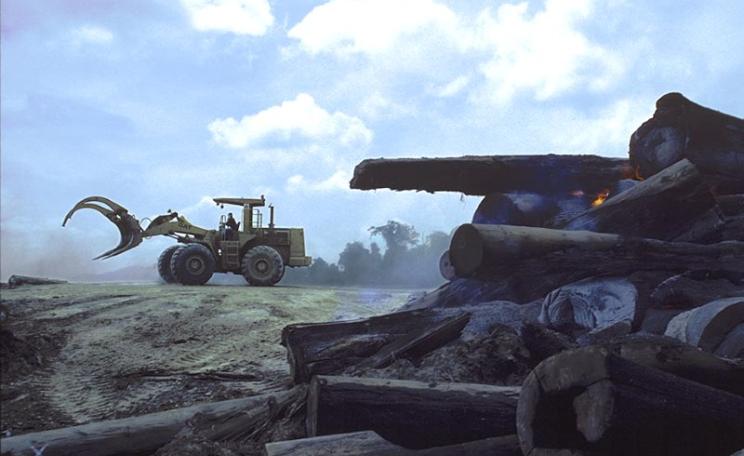
As indigenous activists opposing hydropower dams on their territories gather this weekend in the rainforests of Sarawak, Malaysia, they have good news to celebrate, writes Rod Harbinson: a giant dam on the Baram river has been put on hold. But the forests are still being logged, local people have been stripped of land rights, and a programme of 12 giant dams is still official policy.
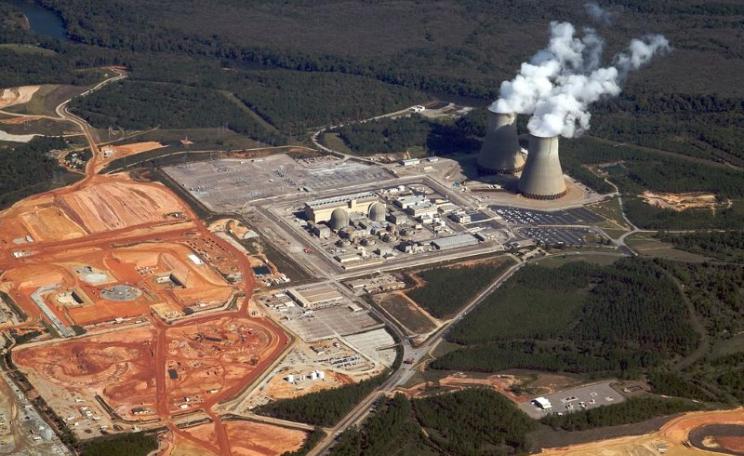
The UK's plan to get China to build and finance new nuclear power stations is based on a wish and a prayer, writes Oliver Tickell. There is no reactor design, including new Chinese ones, that we can depend on to fill our impending power generation gap. This time, the last one out won't even have to turn out the lights.
It's all change in Canada with the dramatic ousting of anti-environment Conservative Prime Minister Stephen Harper, writes Carol Linnitt. Under the new Liberal PM Justin Trudeau things are looking a lot better for climate, science, environment, transparency and First Nations. But Canada is still set to go into the Paris climate talks with the same weak level of commitment.