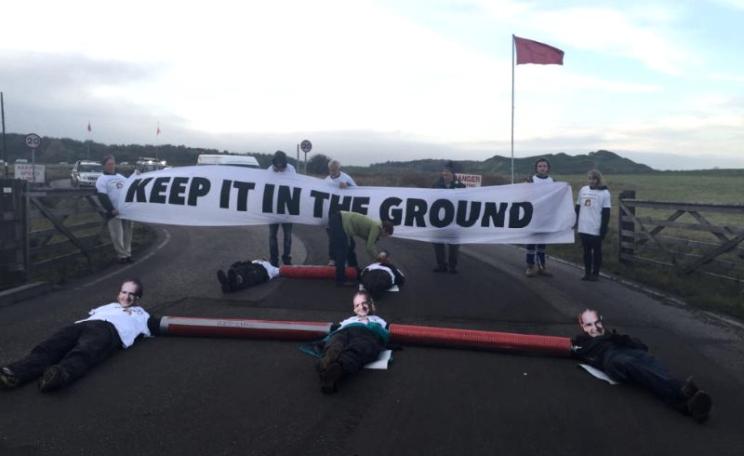
The Paris Agreement provides a clear mandate to limit global warming, writes Jeremy Brecher. And with governments doing nowhere near enough, it's up to ordinary citizens - through civil disobedience if needs be - to make sure the world breaks free from fossil fuels. Let's make 2016 the year of 'Climate Insurgency'!
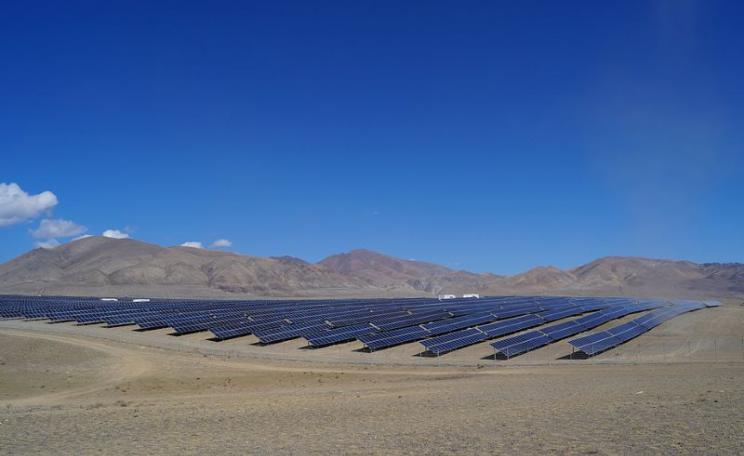
Renewable energy could supply Russia and Central Asian countries with 100% of their electricity needs by 2030, writes Paul Brown - and cut costs significantly compared to nuclear power and CO2-abated fossil fuels.
TransCanada has just made a big mistake by bringing its $15 billion lawsuit against the US government for refusing the Keystone XL pipeline, writes Sam Cossar-Gilbert. The move has exposed the real nature of 'trade deals' like TTIP and TPP - and why all democrats must rally to defeat them.
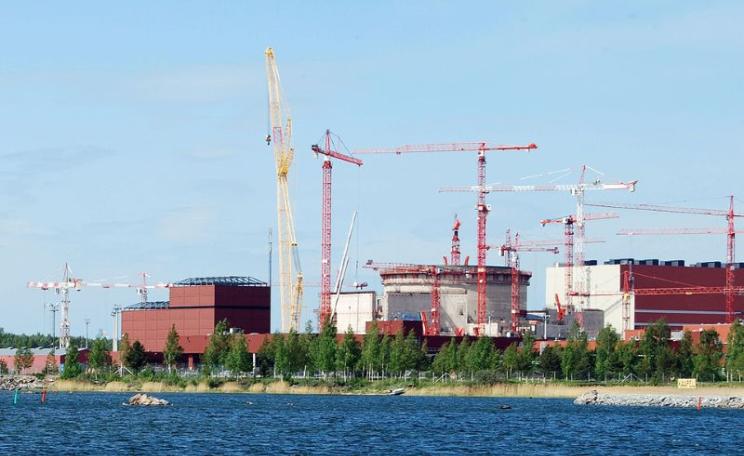
The cash-strapped French energy giant EDF may sell off profitable stakes in its in its eight existing UK nuclear reactors to raise money for the Hinkley Point C project. But with no example of the EPR design planned for Hinkley even near completion, it may all prove a risk too far.
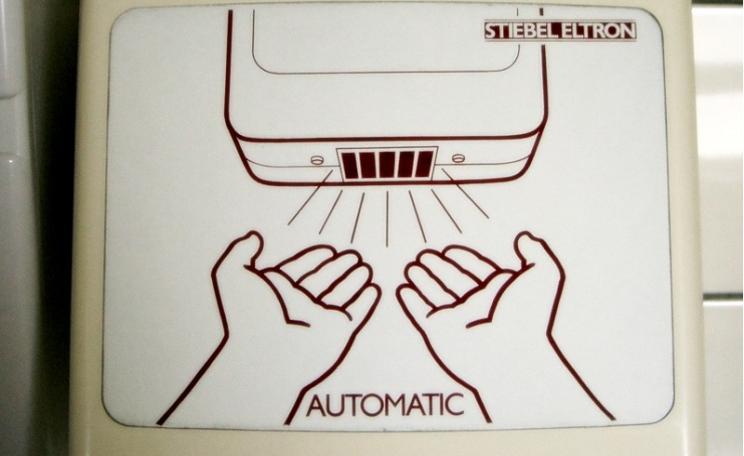
Which of hand dryers or paper towels have the greatest impact on the environment? asks Simon Lockrey. Are your paper towels recycled or tree-pulped, your dryers power-hungry and long-blowing or short-blast and power-saving. Only full Life-Cycle Analysis can reveal the true punches these seemingly harmless items can deliver to our environment.
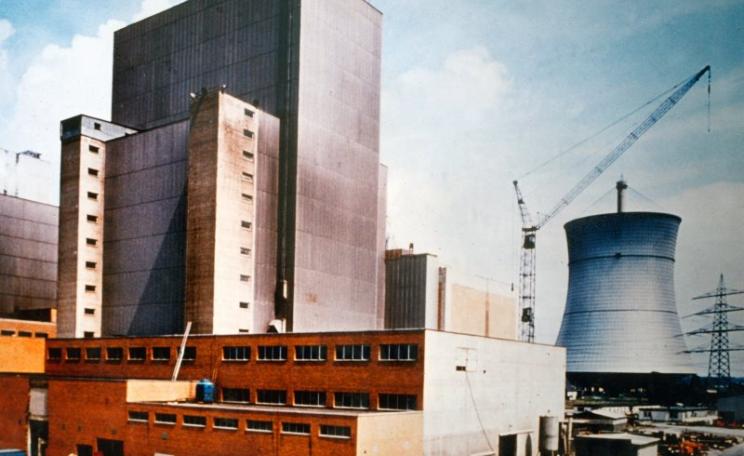
Almost 60 years since the world's first commercial nuclear power station began to deliver power to the UK's grid, the industry remains as far from being able to cover its costs as ever, writes Pete Dolack. But while unfunded liabilities increase year by year, governments are still willing to commit their taxpayers' billions to new nuclear plants with no hope of ever being viable.
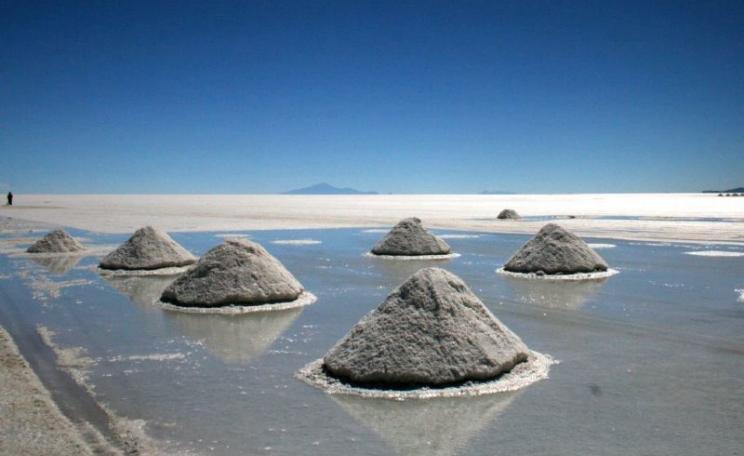
Lithium is a key global resource for the global energy transition thanks to its role in the lightweight, efficient batteries that will power cars and balance power grids, writes Rafael Sagárnaga López. But the booming demand threatens to contaminate one of the world's great wonders, the Salar de Uyuni, 12,000 feet high in the Bolivia's Andes, which holds 70% of the world's lithium reserves.
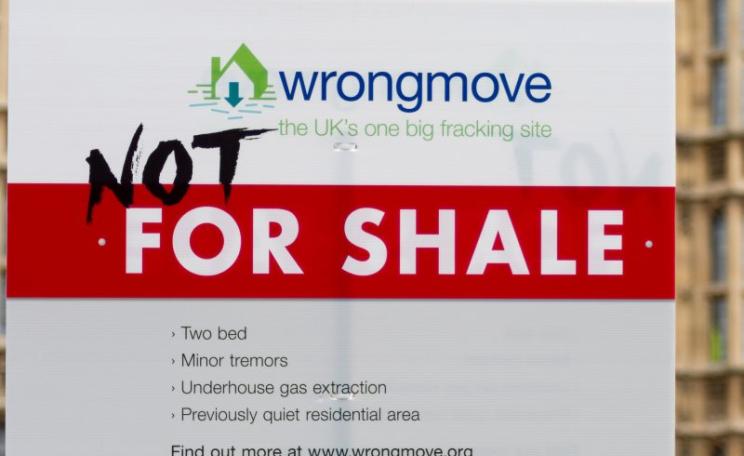
The UK's insistence on opening up the UK to fracking is symptomatic of a deeper malaise, writes Paul Mobbs. Of course we need a change of government, but more than that, we need a deeper, enduring change of the nation's governance if we are ever to effect the transition to sustainable policies on energy and environment. It's time for the UK to become truly democratic.
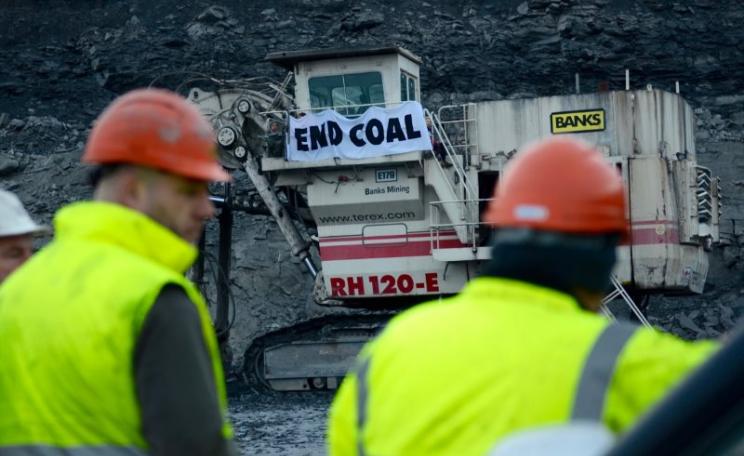
Protestors who closed down the coal mine on climate change denier Matt Ridley's estate faced a claim of £100,000 in losses, writes Brendan Montague. But a judge cut that down by over 90% while declaring the eight defendants of 'impeccable character'.
The coal profits that fill Matt Ridley's bank account come wet with the blood of those killed and displaced by the climate disaster his mines contribute to, writes T. If hgis consicence is no longer functioning, then others must step into that role to confront him with the evil that he is doing.
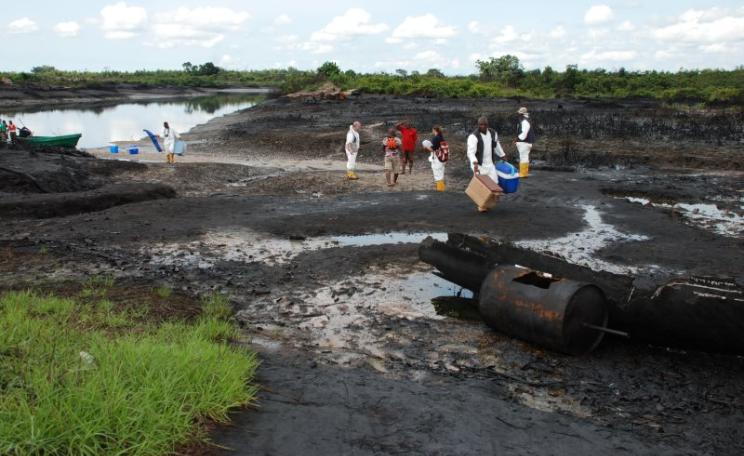
In a landmark judgment today, four Niger Delta farmers have won the right to sue Dutch oil multinational Shell in the Netherlands courts after oil spills destroyed their farms and fish ponds. The case sets a precedent for other victims of corporate environmental and human rights harms around the world.
The Paris Agreement is facing its first big test in Queensland, Australia, writes Justine Bell. After a long process beset by legal challenges, the massive Carmichael coal mine is inching closer to approval - which would open up the entire 250,000 sq.km Galilee basin and its 28 billion tonnes of coal to exploitation. Both state and federal governments have the power to ban it. But will they?
With COP21 out of the way there is absolutely no time to lose, Greenpeace director Kumi Naidoo told Pavlos Georgiadis: 'Because by tomorrow, there might be no tomorrow.' We need substantial, structural, systemic change - and this change can only be led by the youth, who are not infected by the political pollution of the past. And whose future is it anyway?
The government's decision to cut support for domestic solar by 64% reflects antiquated thinking, writes Doug Parr. Just as the rest of Europe is shifting to ever-cheaper renewable, low carbon, decentralised, participatory, employment generating energy systems, the UK is stuck in a the dirty past of nuclear and fossil fuels.
New regulations that will allow fracking under national parks, water sources and nature sites won the approval of MPs today in a Commons vote, write Kyla Mandel & Oliver Tickell, even though four Tory MP's rebelled against the party whip. But the new rules won't apply in Wales and Scotland.