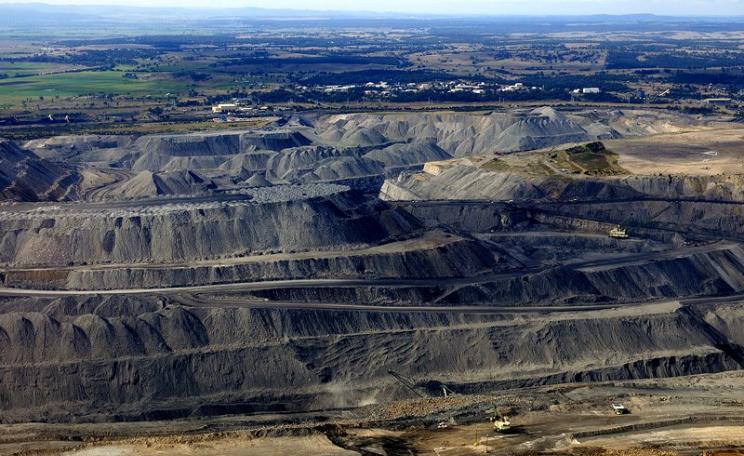
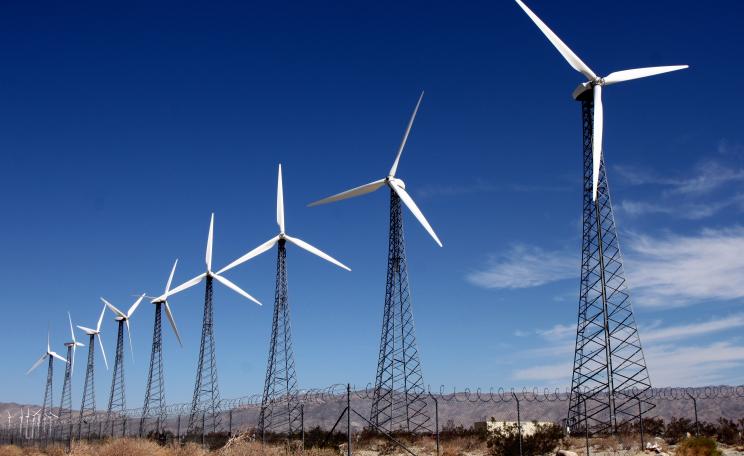
The ever-falling cost of renewable energy could leave investors in coal, gas and oil seriously out of pocket as demand for fossil fuels falls away, writes Paul Brown. In the wake of the Paris Agreement and shrinking markets in major importing countries, the smart money is moving into renewables.
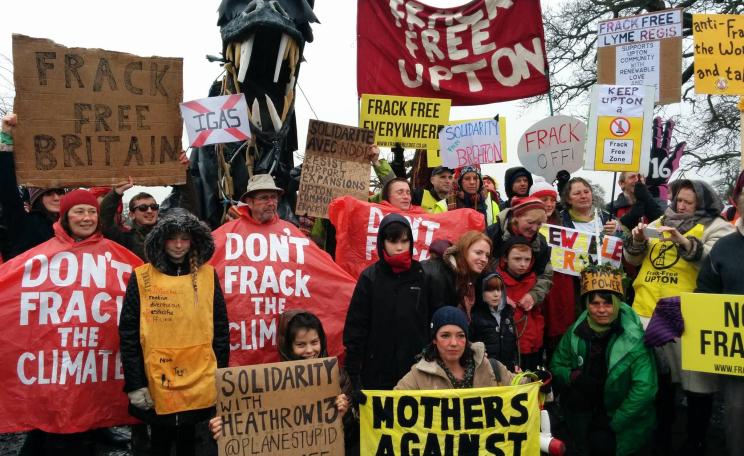
Whether you're fighting fracking, coal mines, new roads or a third Heathrow runway, next weekend's Earth First! Winter Moot is for you, writes Louise Somerville Williams. Campaigners and activists from across the UK and beyond will gather in Stroud to build common strength in our struggle against ecological destruction, and to work for a world of social and environmental justice.
Despite Cameron's promise to lead the 'greenest Government ever', the environment has taken a heavy bashing since the 2015 election, writes David Clubb - whether on oil, fracking, renewable energy or planning policy. But Wales is doing its best to follow a sustainable path, and demonstrating badly needed environmental leadership that the whole UK would do well to follow.
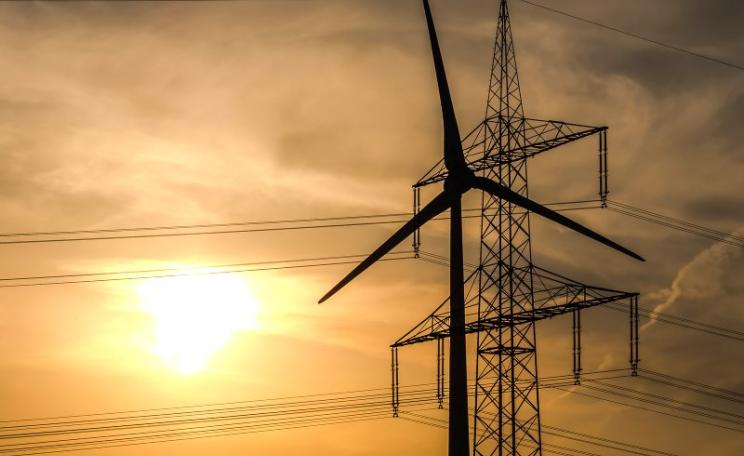
Not only can the US save money on its electricity by moving to a 48-state power network based on high voltage DC power lines, writes Christopher Clack. It's also the key to increasing the penetration of renewables as the lowest cost energy source, with wind and solar delivering 55% of the nation's electricity demand - and a 78% reduction in carbon emissions.
The government is set to ban local authorities and their £14 billion pension funds divesting from companies they deem unethical, writes J W Bode. The law will specifically forbid divestment from fossil fuels - and that could put the pensions of future public sector retirees at risk.
An occupation of EDF's site office for Hinkley C turned into a celebration today as the EDF Board postponed its 'final investment decision' for the tenth time. With strong opposition among French unions and the project afflicted by severe technical and financial problems, it's not just Hinkley that's going down, but the UK's entire nuclear programme.
The world is in the grip of a structural war against people, land, economies and ecosystems, writes Colin Todhunter. It is being waged by a quartet of organised criminal interests bent on monopolizing energy, money, food and violence across the globe. But a deep-rooted resistance against their 'neoliberal' doctrine of death and destruction is fighting back.
According to oil company executives, oil is going to be a major energy source to 2100 and beyond. So after hearing an oil man make his case, Chris Goodall went home and crunched some numbers. Money invested in solar power already produces more energy than if it's put into oil exploration and production, and the gap is only going to widen from here. Is this the new 'peak oil'?
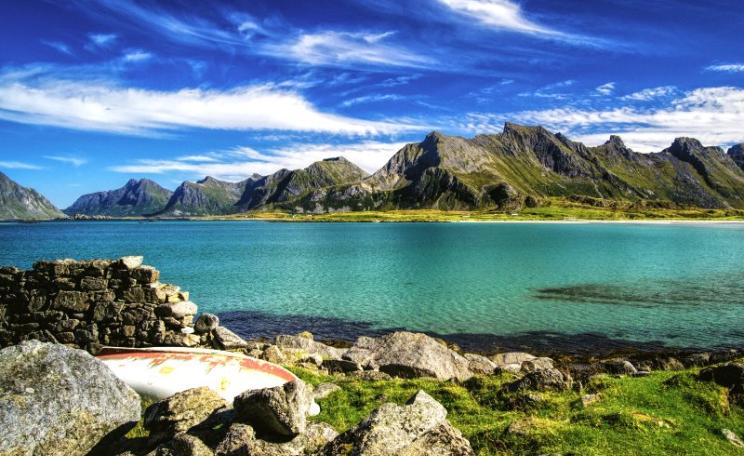
The Lofoten peninsula Norway’s Arctic North is not just stunningly beautiful. It's also home to the world’s largest deep water coral reef and full of wildlife. So why is the government saying it will have to be opened up to the oil and gas industry? Never mind the country's warm words on environment and climate change, writes Joseph Dutton. It's fossil fuels that rule the roost.
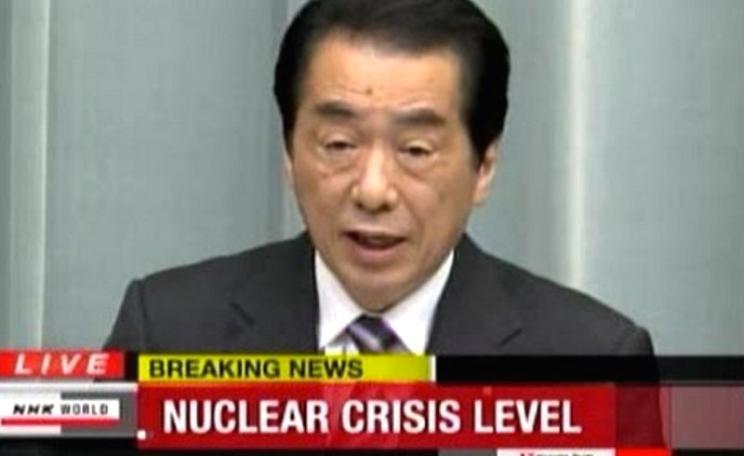
Nuclear power is a uniquely hazardous technology that can destroy entire nations, Japan's prime minister at the time of the Fukushima nuclear disaster has warned British MPs. The lessons of from such catastrophes must be heeded in other countries that believe that nuclear fission can be harnessed safely, writes Linda Pentz Gunter - or they, and the world, will reap the whirlwind.
Advanced new catalysts are poised to stimulate a clean energy revolution, writes Tim Radford. An organic replacement for the precious metal platinum would allow surplus electricity to be cheaply converted into hydrogen fuel, then burnt in low cost fuel cells to propel 'green' vehicles and generate power on demand.
As Cuadrilla's application to frack in Lancashire goes to public inquiry today, protestors from Greenpeace have installed a full-size 'fracking rig' in Parliament Square, London, complete with flare and deafening sound effects, to let MP's know just how great it is to have a fracking well on your doorstep.
America's crumbling nuclear power plants, dozens of them built to the design that spectacularly failed at Fukushima, must be closed down to prevent catastrophe, writes Harvey Wasserman. So let's hear Bernie Sanders and Hillary Clinton speak out on the topic and make it a core issue in the Presidential race!
When Chancellor George Osborne delivers his Budget next month, we can be sure that climate and environment won't take a high priority, writes Alan Simpson. All the more reason for the Labour leadership to develop a new 'one planet' economics for the 21st century that delivers social justice and respects ecological limits.
Scientists say interstate energy 'highways' offer a simple approach to delivering low-cost electricity to where it’s needed throughout the US, writes Tim Radford. The best part? It's using clean, renewable energy sources, and it can be achieved in the near future using only existing, mature technologies.