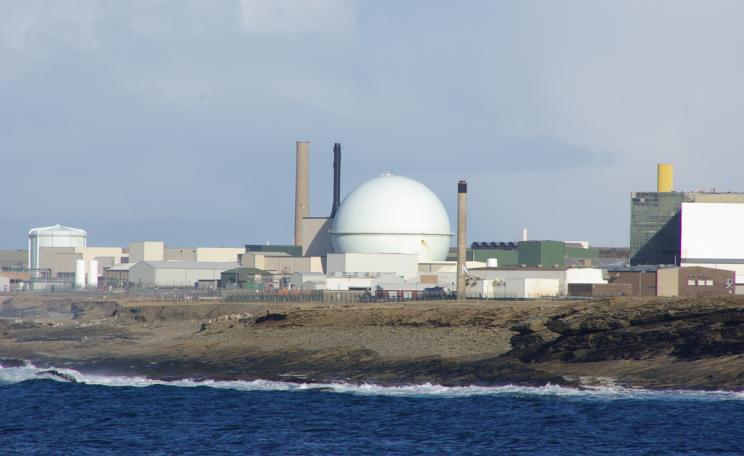
Planned air transports of high-enriched uranium from Dounreay in Scotland to the US state of Tennessee would risk of accident or a terrorist seizure of weapon-usable nuclear material, writes Ernie Galsworthy. The motive for the transport appears to be purely commercial - and would thus put the public at needless risk for the sake of a cut-price nuclear waste / fuel deal between US and UK authorities.
Momentum is gathering behind the UK's transition to a fossil free society, writes Guy Shrubsole. We know we need to leave at least 80% of proven fossil fuel reserves in the ground to avert catastrophic climate change. Here's a quick run-down of progress to date - and the key upcoming fights, including an invasion of the UK's biggest coal mine this weekend.
We all know that coal and steam vanquished over water power in Britain's - and the world's - industrial revolution, writes Irma Allen. But as Andreas Malm sets out in his fascinating new book, the deciding factors in that victory were the unconstrained mastery over people and nature that coal provided mill owners. And so the model was set for the fossil age that may only now be coming to an end.
The Chernobyl nuclear catastrophe may have scared most of the world off nuclear power, write Jan Haverkamp & Iryna Holovko. But mysteriously, not Ukraine, where the reactor meltdown actually took place. Thirty years on more than half of Ukraine's electricity is still nuclear, while the power sector is dominated by powerful oligarchs. So what are the chances of a post-nuclear Ukraine?
The Chernobyl sarcophagus which has long contained the fissured reactor core is at risk of collapse, writes Claire Corkhill. The solution: build a pair of tracked arches 260m wide and 100m high, and slide them over the site to enclose it for a century to come: so creating a sealed space for robots and remotely operated machinery to deconstruct the reactor and sarcophagus piece by radioactive piece.
Thirty years since the 1986 nuclear disaster at Chernobyl the impacts are still being felt, writes Ian Fairlie, and they will persist long into the future. Some 40,000 cancer deaths can be expected across Europe over the next 50 years, and 5 million people still living in areas highly contaminated with radiation. Yet the nuclear madness continues, with even Belarus building new nuclear reactors.
Thirty years after Chernobyl former Soviet leader Mikhail Gorbachev remains haunted by the world's greatest ever industrial catastrophe, writes Linda Pentz Gunter. Now 85 and a committed environmentalist, he's still campaigning to bring the failed nuclear experiment to an end before further disasters follow, and encouraging a clean, efficient and renewable global energy economy.
Belarus may have taken the brunt of the fallout from the Chernobyl nuclear disaster in Ukraine, writes Kieran Cooke. But now it's pushing ahead with its own nuclear power station at Ostrovets - just 50km from Lithuania's capital, Vilnius, where the project is causing widespread public concern.
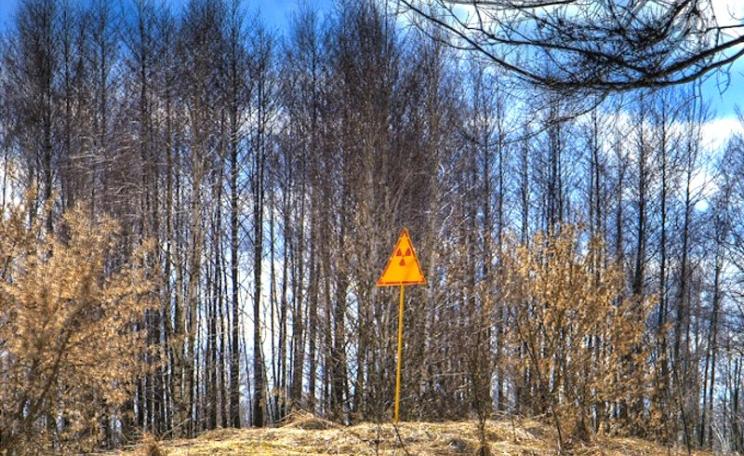
Evolutionary biologist Timothy Mousseau and his colleagues have published 90 studies that prove beyond all doubt the deleterious genetic and developmental effects on wildlife of exposure to radiation from both the Chernobyl and Fukushima nuclear disasters, writes Linda Pentz Gunter. But all that peer-reviewed science has done little to dampen the 'official' perception of Chernobyl's silent forests as a thriving nature reserve.
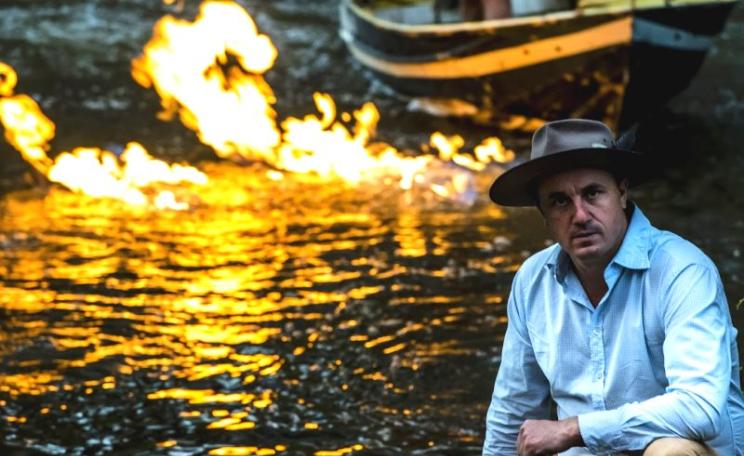
So much methane is bubbling into a river surrounded by hundreds of fracking wells that it's a fire hazard! Local campaigners blame the coal seam gas industry for the gas releases which are spreading along Queensland's river Condamine and gaining in intensity.
Remember when the UK was the 'dirty man of Europe'? What has changed since then, writes Caroline Lucas, is our membership of the EU - which has made us raise our environmental performance on everything from fisheries to air pollution, nature conservation, clean bathing waters and renewable energy. Leave, and it could all go into reverse.
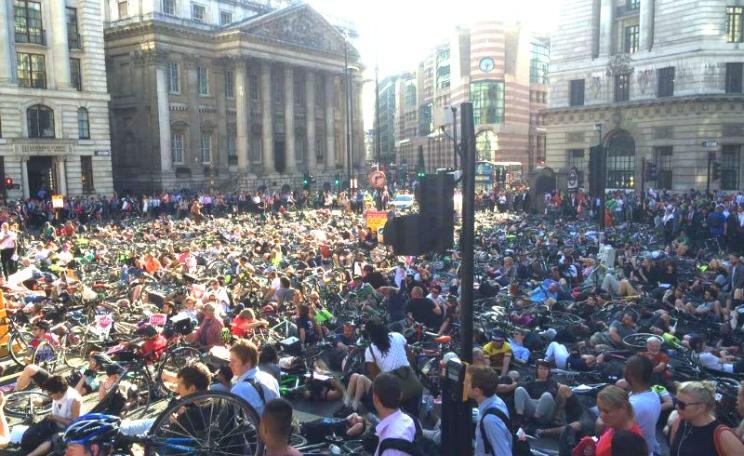
Stop Killing Cyclists are staging a protest in London on 27th April to demand an end to the UK's intolerable air pollution, writes Donnachadh McCarthy. With an estimated 40,000 people dying every year from filthy air, much of it caused by diesel cars, all are welcome to join in, denounce the government's 'polluters' friend' policies, and insist on swift action to stop the needless deaths.
Don't believe the spurious claims of nuclear shills constantly doing down renewables, writes Mark Diesendorf. Clean, safe renewable energy technologies have the potential to supply 100% of the world's electricity needs - but the first hurdle is to refute the deliberately misleading myths designed to promote the politically powerful but ultimately doomed nuclear industry.
Pope Francis's famous encyclical on climate change is part of a broad global shift to environmental awareness among faith communities, writes Tim Gee. Christian churches and congregations are among those joining the fast growing fossil fuel divestment movement, switching to renewable energy, and reaching out to wider society to help protect our home planet, Earth.
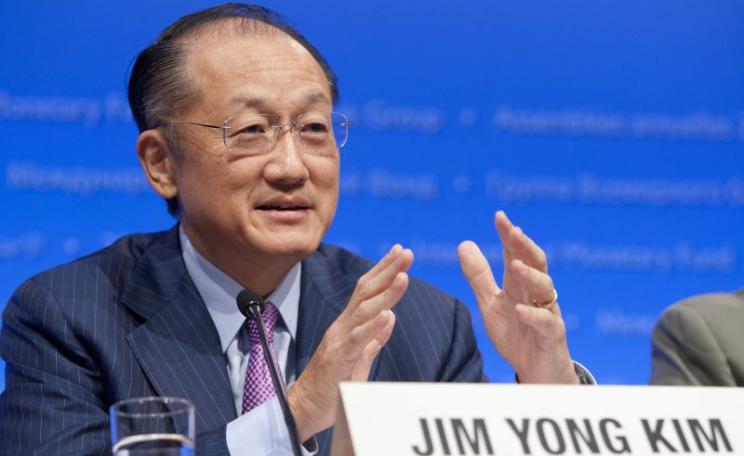
World Bank President Jim Kim talks a good talk on cutting support to fossil fuels. But what the bank does, writes Victoria Seabrook, is a whole other story. Not only is the WB Group still pouring money into the sector, but its funding doubled between 2011 and 2015.