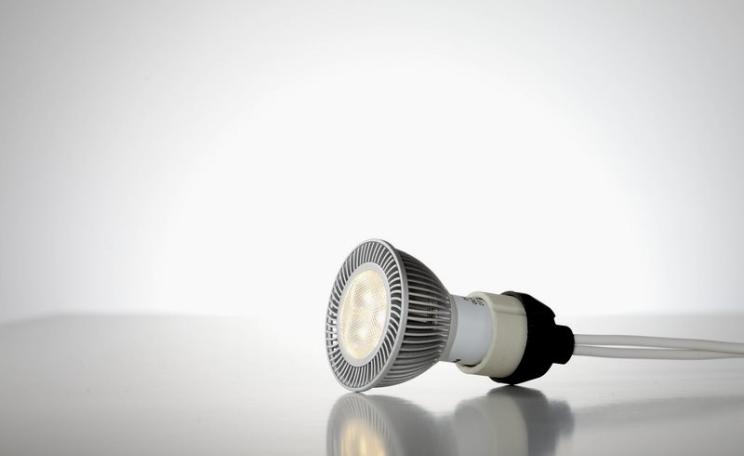
LED light bulbs are cheap and energy efficient, writes Chris Goodall. A crash programme to replace all the lights in the UK with LEDs would cut electricity bills, reduce carbon emissions and other pollution from coal and diesel generation, and reduce the risk of blackouts.
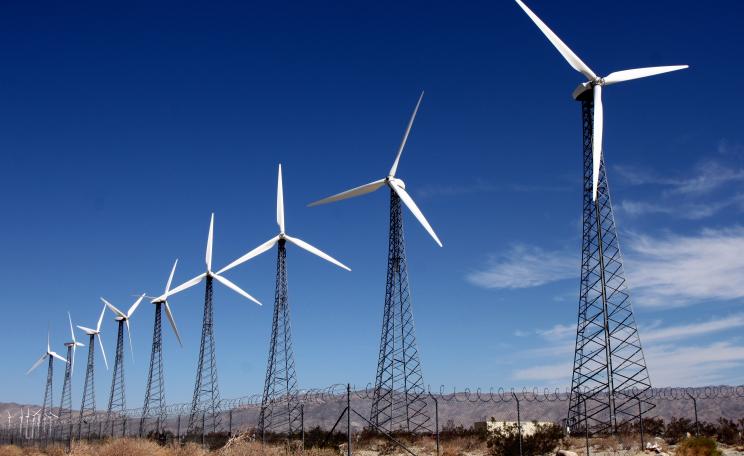
The renewable energy revolution is in full swing, writes Jeremy Leggett, with costs falling to new lows, deployment of wind and solar surging to unprecedented highs, and confidence ebbing away from fossil fuels. But global warming is also accelerating, with global temperature records broken every month for a year. Will the energy transition happen in time to avert catastrophe?
Twin nuclear reactors at Taishan in China have been sealed into their concrete domes despite fears that the reactor vessels have serious metallurgical defects. No safety test data has been released by the two companies in charge, EDF and CGN, to show that the reactors will not crack in operation, releasing radioactivity.
Britain's soils are in a bad way, writes John Quinton, and the government is doing little to help - indeed its policies are making the problems worse. So concludes yesterday's Environment Audit Committee report on soil health. But are ministers bothered?
The Renewables 2016 Global Status Report just published by REN21 - The Renewables Energy Policy Network for the 21st Century - shows that renewables are now firmly established as competitive, mainstream sources of energy in many countries around the world, closing the gap between the energy haves- and have-nots
The influence of fossil fuel corporations was strongly questioned by developing countries in the post-Paris meeting of the climate change negotiations in Bonn last week. Climate Trackers Pavlos Georgiadis, Renee Karunungan and Anna Pérez Català highlight the key issues that were debated
The Rampal coal power plant in Bangladesh, near the world's greatest mangrove forest, is a deeply misconceived project that must be abandoned, writes Johan Frijns in this Open Letter to the Exim Bank of India - which is planning to finance its construction. It would severely damage the precious local environment and wildlife, while adding to global climate change and sea level rise.
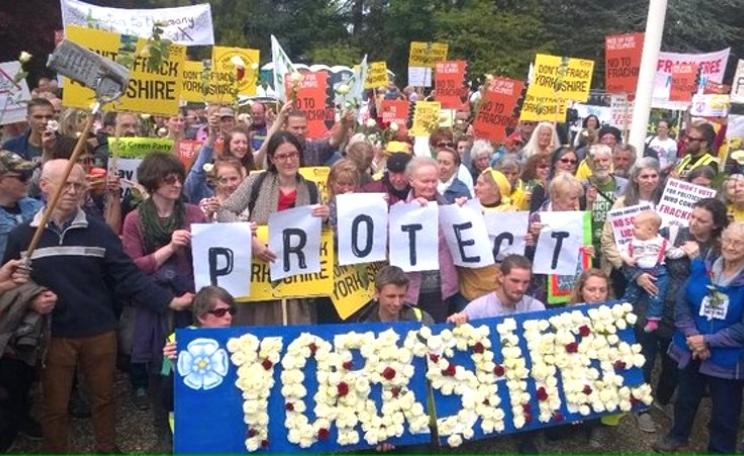
Conservative councillors have passed an application to frack in the Yorkshire Dales by Third Energy, signalling the return of shale gas exploitation in the UK after a five year break, writes Victoria Seabrook. Campaigners vow: 'We will fight on!'
The UK's 'Green Deal' energy efficiency scheme was a massive failure, writes Sue Roberts. But few knew just how bad until the NAO's report - which reveals that its main effect was to line the pockets of the Big Six energy companies, load the public with expensive loans, create a tangle of red tape, and engineer the collapse of the UK's nascent energy efficiency sector.
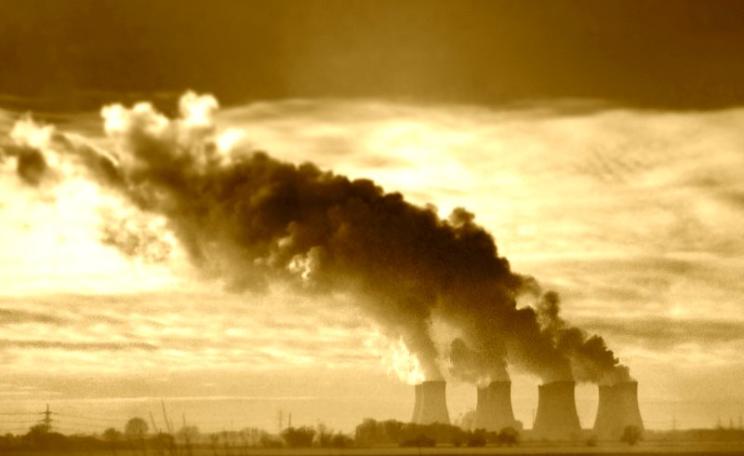
Government plans to pay coal and diesel generators to stay open the winter after next to 'keep the lights on' betray dangerously old-fashioned thinking, writes Chris Goodall. Not only would it subsidise our dirtiest electricity - it's also incredibly costly. Why not just pay people to reduce their demand when power supplies are stretched?
Another week, another series of disasters for EDF and it's Hinkley C nuclear power project, writes Oliver Tickell, with the company's credit rating downgraded partly due to its exposure to the project, and its Chinese partner CGN ruling out a takeover of the site. How much longer can the tragicomedy continue before the curtain falls?
With five reactors closed in the last three years, the US nuclear industry is in shutdown mode, writes Linda Pentz Gunter - and that means big spending on decommissioning. But now the nuclear regulator is set to exempt owners from safety and emergency costs at their closed plants - allowing them to walk away from the costs and liabilities, and palm them onto taxpayers.
Britain's nuclear bomb test veterans suffered severe genetic damage from radiation, writes Chris Busby, and their case for compensation is being heard in the High Court today. Key to their case is evidence of similar damage inflicted on in utero babies exposed to radiation from the Chernobyl disaster, and how the dreadful health impacts of radiation cascade down to future generations.
Critics of renewable energy sources like wind and solar claim that they are inefficient, unreliable and need to be backed up by coal and gas, writes David Elliott. But we have the technology to match green power supply and demand at affordable cost without fossil fuels - by deploying the 'smart grid', using 'green gas' made from surplus power, and raising energy efficiency.
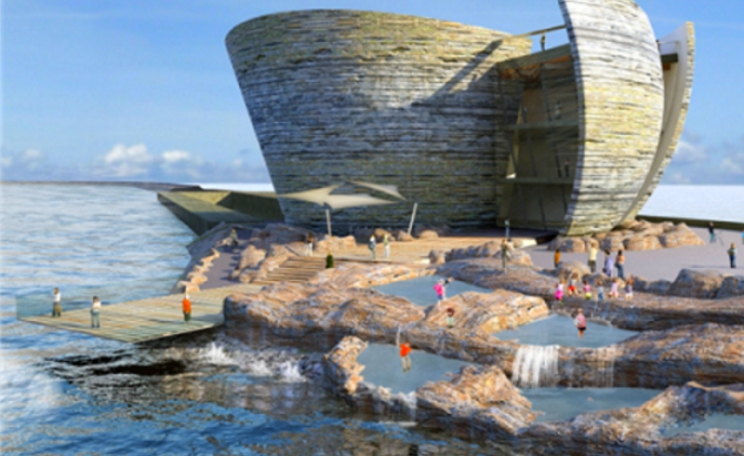
Tidal lagoons could generate 8% of the UK's electricity, writes Stephen Tindale, and go on doing so for 120 years to come. With the Hinkley C nuclear project looking ever more dicey, and with promises to shut down coal fired generation by 2025, a promised new tidal lagoon In Swansea Bay would come in very useful. So why hasn't the government included it in the Energy Bill?