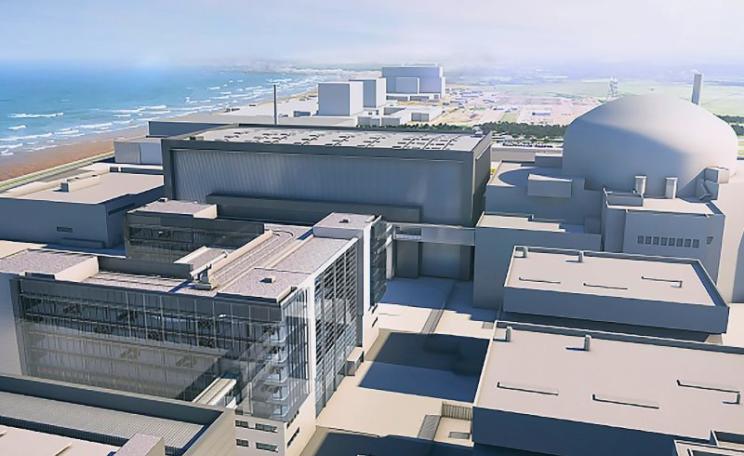
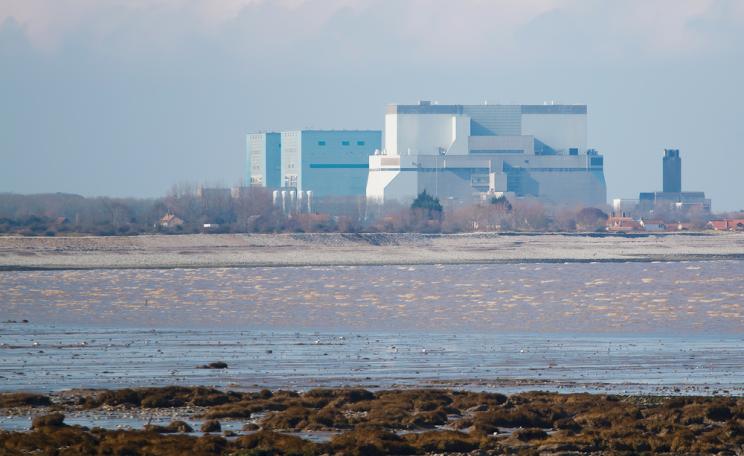
The government's surprise delay in signing the contract with EDF to build the Hinkley C nuclear power station has opened up a the space for a forward-looking UK energy policy, writes Jonathon Porritt - one that moves us into the world of low cost renewables, and smart new technologies vital to the global clean energy transition. But is Business & Energy Greg Clark for real? Don't rule it out!
Uranium mining is a dirty business that we didn't clean up but sourced out to less demanding countries, so why isn't this being discussed in any debate about nuclear energy asks NICK MEYNEN
New York has approved a massive $7.6 billion subsidy to keep four ageing upstate plants open on the false promise that they provide 'clean and renewable energy', writes Karl Grossman. Campaigners for genuine clean energy fear that other pro-nuclear states may follow NY Governor Cuomo's dubious lead.
Brazil's new neoliberal government is intent on building a massive new dam deep in the Amazon rainforest on the on the Tapajós river, writes Helle Abelvik-Lawson, obliterating the indigenous territory of the Munduruku people in defiance of their constitutional rights.
The huge marquee for VIP nuclear guests was already erected at the Hinkley site; champagne was already on ice; VIPs were en route to Somerset to party at the final breakthrough, when hundreds of thousands of contractual pages were due to be authorised with co-signatures of the contracting parties. Suddenly, everything was off. So what really happened asks DAVID LOWRY
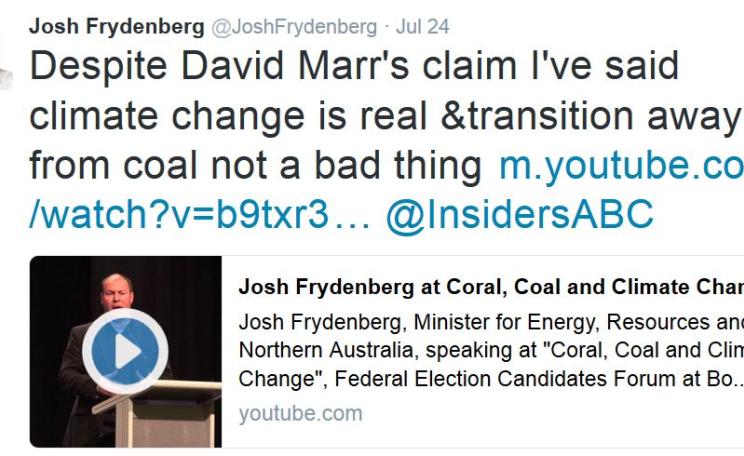
Australia's Prime Minister Malcolm Turnbull has handed the environment portfolio to the energy minister in an attempt to calm climate sceptics. But will it work? Ecologist writer Maxine Newlands reports.
French energy giant EDF will today give the formal go-ahead for the Hinkley C nuclear power station in Somerset, writes Chris Goodall. But that's no reason for the UK to sign up to a disastrous deal that will cost us over £1 billion per year for 35 years - money that should be used to support the green technologies of the future.
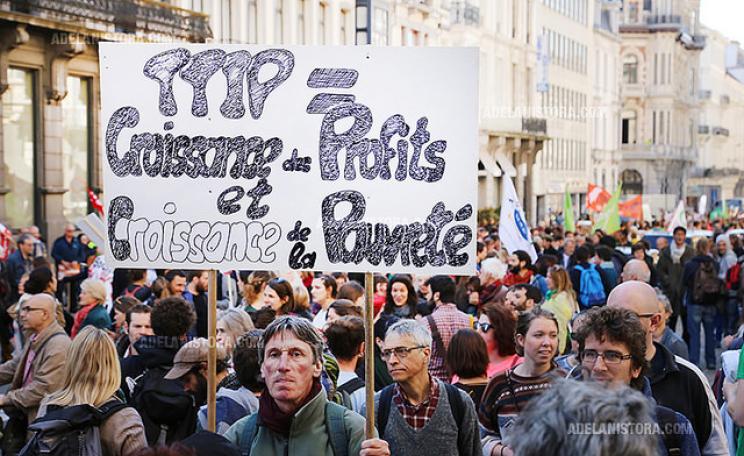
The European Union and the USA have been negotiating the Transatlantic Trade and Investment Partnership (TTIP) behind closed doors since 2013. Negotiators kept insisting that their secret talks would work in the best interest of the public and the environment. But since Greenpeace leaked the TTIP draft negotiating documents it became clearer than ever, that this trade agreement could become one of the most dangerous weapons in the hands of the fossil fuel industry in its effort to kill Climate Action for the 21st century. The elephant in the room is here and it is huge: the word "climate" means something totally different in the TTIP papers.
When Theresa May proclaims in Parliament that we need the £200 billion Trident nuclear missile system to see off the North Korean nuclear threat, writes David Lowry, just bear this in mind. It is a threat that the UK, global nuclear proliferator in chief, created in the first place, providing both the reactor technology and vital centrifuge materials to make North Korea's nuclear dream come true.
EDF's 'final investment decision' on the Hinkley C nuclear power station next week will be pure theatre, writes David Toke. The truth is that no concrete is to be poured until 2019 at the earliest. Meanwhile post-Brexit UK is running out of money to pay for it, and EDF is under investigation by the Financial Markets Authority for concealing information on Hinkley from investors.
Solar is already the cheapest available power across large swathes of the tropics, writes Chris Goodall - its cost down 99.7% since the early 70s. Soon it will be the cheapest electricity everywhere, providing clean, secure, affordable energy for all.
Traveling in the US by boat and train visiting solar laboratories and environmental groups, Keith Barnham found many successful community initiatives in renewable electricity, and brings news of progress towards the ultimate renewable challenge: a solar fuel that could eventually replace gasoline in cars, trucks, buses, trains and aircraft.
The UK imports millions of tons of American wood pellets every year to be burned in power stations for 'climate friendly' electricity, writes Matt Williams. But his recent visit to the southern US showed him that this practice is devastating beautiful, natural forests rich in wildlife - while the UK government's own research shows that it's worse for the climate than the coal it replaces.
The cost of offshore wind power in the North Sea is 30% lower than that of new nuclear, writes Kieran Cooke - helped along by low oil and steel prices, reduced maintenance and mass production. By 2030 the sector is expected to supply 7% of Europe's electricity.
The industries that have primarily caused, are still causing, and will continue to cause climate change, are the recipients of huge subsidies. Whilst the marginalised are promised a paltry and relatively insignificant amount to mitigate and adapt to the consequences of the problem they did little or nothing to bring about. That's just plain wrong says MARK KERNAN