Article 6 of the Euratom Treaty provides for nuclear industry practices to be rejustified in the light of new scientific evidence of harm to health, writes Chris Busby. We now have that evidence, in particular that radiation exposure even at very low levels causes severe and heritable genetic damage to people and entire families. Now, we must use the law to protect our health from radiation!
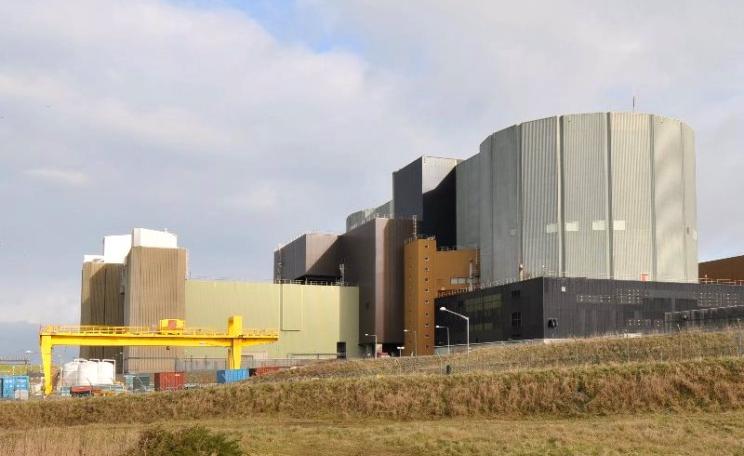
Three new reactors are planned for the Moorside site next to Europe's biggest nuclear complex at Sellafield, writes Peter Roche, with a combined capacity of 3.8GW. But a new report for Radiation Free Lakeland shows that the chosen AP1000 reactor design, for all its claimed 'advanced passive' safety features, is not fit for purpose - and should be rejected as unsafe by UK regulators.
The Trump Presidency may not be the climate disaster that many fear, writes Joe Ware. The transition to clean energy is increasingly driven by technology and economics, not politics. it was Obama's 'all of the above' energy policy that enabled the fracking revolution. And pro-fossil fuel measures instituted by Trump will now galvanise massive domestic and international opposition.
Trump has pledged to ditch the Paris Agreement, scrap Obama's clean power plan, get coal miners back to work, and 'make America great again' on the back of a huge expansion of fossil fuel production, writes Mark Barteau. But he will run into serious difficulties, not least states going their own renewable ways, cheap natural gas, and weak international demand for coal.
The intimate connection between landscape and religion is at the center of Native American societies, writes Rosalyn R. LaPier, and a key reason why thousands of Native Americans and Indigenous peoples from around the world have traveled to the windswept prairies of North Dakota. There is no excuse for the ignorance and disrespect of corporations, and government.
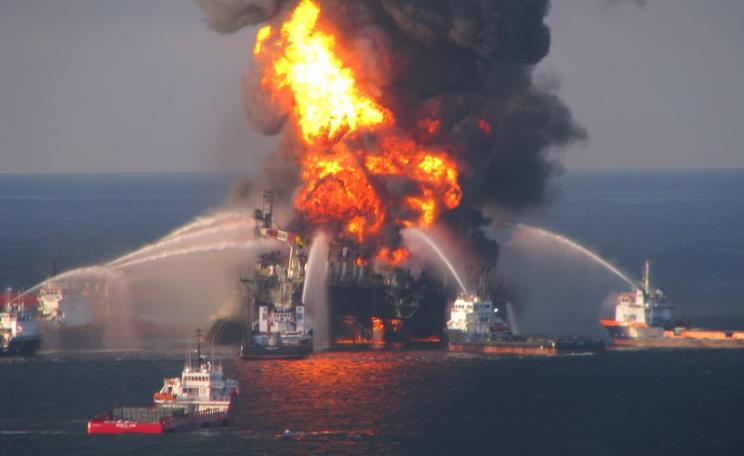
We must coldly examine how inherently dangerous systems work and how they fail, writes Earl Boebert, and then apply those insights to reducing the risk of failure through systems design, regulation, and education. That examination must apply the most modern and effective analytic tools. To do otherwise is to almost guarantee a repeat catastrophe.
Renewable energy may play a huge part in helping to achieve the ambitions of the Paris Agreement, now in force and under discussion at COP22 climate talks in Marrakesh, writes Steffen Böhm. But it can never be the whole story, and nor does it relieve the need for deeper changes in how the world works.
As the nuclear juggernaut drives the destruction of the Cumbria coast at Sellafield with nuclear waste dumps, boreholes, dredged-out rivers and a massive new nuclear power station, Marianne Birkby recalls ancient legends of the Woodwose, the Green Man, and the Beast of Beckermet. Can these forces of untamed nature be called upon to combat the growing nuclear menace?
Contrary to arguments advanced in a recent Ecologist article, the biomass industry supplying the Drax power station in North Yorkshire is a model of sustainability, writes Nina Skorupska, and delivers genuine, substantial emissions reductions compared to coal.
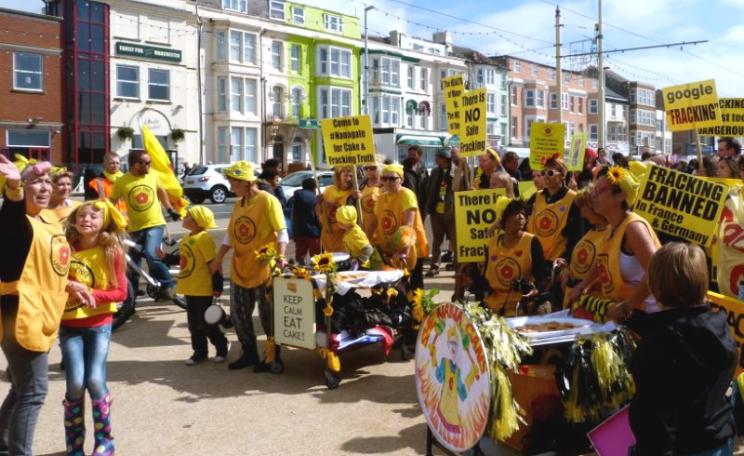
The UK government's insistence of pursuing fracking is based on a flawed and utterly misinformed vision of our future, write Alex Russell and Peter Strachan. Rather than delivering the prosperity they promise, large scale fracking would cause massive pollution of air and water, undermine vital export industries, and leave us with an irretrievably damaged economy and natural environment.
The Drax power station in North Yorkshire is among Britain's greatest greenhouse gas emitters, writes Almuth Ernsting. Not only is it burning some 6 million tonnes of coal every year, it is also burning its way through forests in the USA and other countries as it converts to biomass-fired units, rewarded by £1.3 million a day in subsidies. Join the #AxeDrax protest this weekend!
There are 48 mapped struggles against the fossil fuel industry in India And whilst families run from justice for trying to protect their lands, it's the coal mining companies and police chiefs that should be brought to justice writes NICK MEYNEN
Last week the EU ratified the Paris Agreement to limit climate change, writes Tony Bosworth. So how did Communities Secretary Sajid Javid mark the occasion? By overturning Lancashire's democratic rejection of fracking, so giving a whole new fossil fuel industry the green light to let rip. Hypocrisy? The word hardly does justice to our government's mendacity.
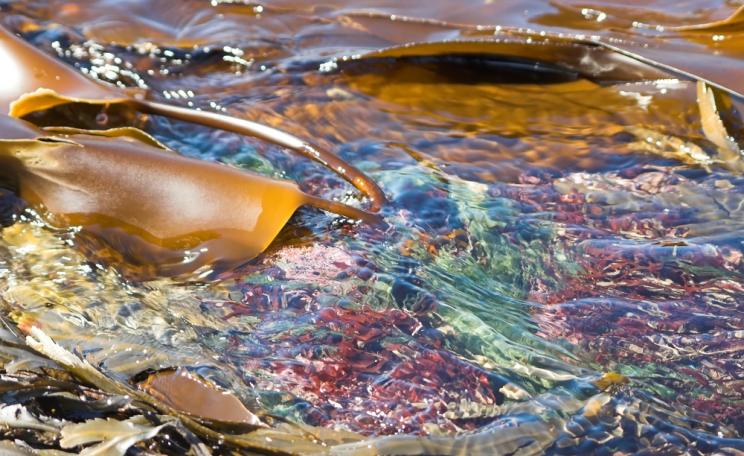
Seaweed is known for its culinary uses and has seen a renaissance in past years thanks to its health claims and a distinctive taste - but there are more ecological benefits to seaweed that currently remain untapped.
An international summit exploring real and imagined narratives of art, energy and consumption for a troubled planet, taking place at Schumacher College, Dartington, on 11th November 2016