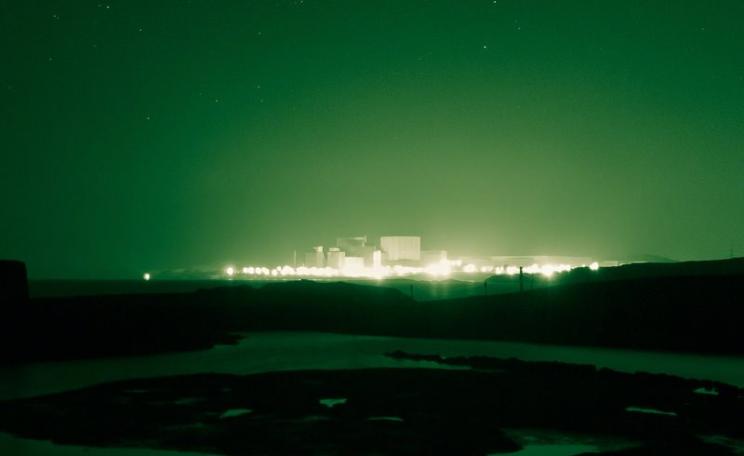
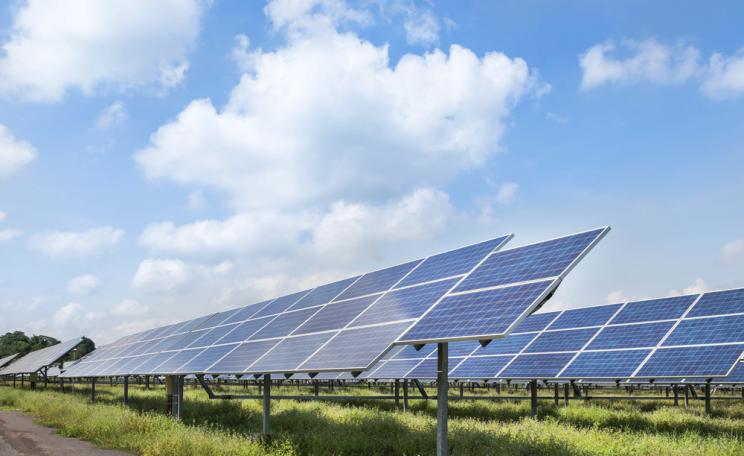
Nuclear power was originally sold on a lie, writes Dave Elliott. While we were being told it would make electricity 'too cheap to meter', insiders knew it cost at least 50% more than conventional generation. Since then nuclear costs have only risen, while renewable energy prices are on a steep decline. And now the nuclear behemoths are crumbling ... not a moment too soon.
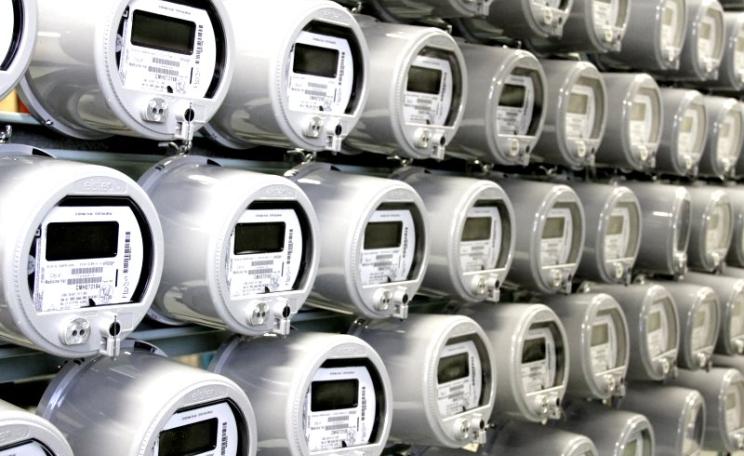
'Smart meters' looked like a great idea, writes Lynne Wycherley, giving us more control over our energy use. The downside? They emit as many as 14,000 short bursts of intense microwave radiation a day, disrupting cellular electrochemistry and causing health symptoms from migraine to tinnitus, insomnia, dizziness, anxiety, chest pain, palpitations and memory loss. Now a growing number of 'electro-sensitives' have had enough!
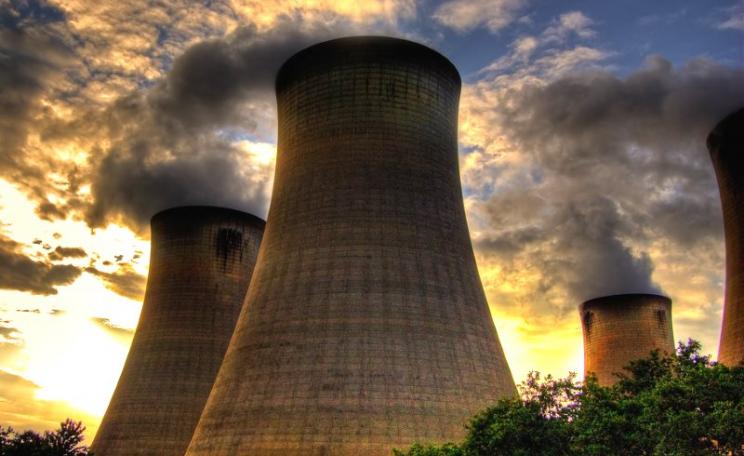
The Drax power station in Yorkshire is the UK's biggest CO2 emitter, burns more wood each year than the entire UK timber harvest, and is a major importer of coal from strife-stricken regions of Colombia, writes Frances Howe. This Thursday campaigners will target the company's AGM to highlight its impacts on forests, biodiversity, climate and communities, in the face of Drax's PR offensive to make biomass appear 'sustainable'.
British firms lie deep at the heart of the Dakota Access Pipeline controversy, writes Amy Hall. Barclays, HSBC and the Royal Bank of Scotland have lent $800m to Energy Transfer Partners and its subsidaries, London-based Commercial Bank of China has loaned $120m, and RBS $250m, while HSBC and Barclays own over $110m worth of shares in project partner Phillips 66.
Information from Colombia's National Hydrocarbons Agency shows that at least 43 new fracking concessions have been handed out to multinational companies including Exxon Mobil, ConocoPhillips and Drummond. These concessions affect over three hundred municipalities, in the departments of Cesar, Santander, Boyacá, Cundinamarca and Tolima. SEBASTIAN ORDOñEZ and DANIEL MACMILLEN VOSKOBOYNIK report.
The whole idea of North Sea oil was to make Britain rich, writes Simon Evans. At least that's how it all began. But now ... it cost UK taxpayers a massive £396 million a year in tax breaks and subsidies to keep the industry alive last year. And there's no reason to think that's going to turn around any time soon.
The Indigenous Peoples of Standing Rock are by no means alone in their struggle for the recognition and preservation of their native lands: a very similar story of resistance against oil extraction is taking place further south, and has been going on for almost half a century, namely the fight of the Indigenous people of the Peruvian Amazon against oil pollution and oppression, writes biologist ARTHUR WYNS
Dynamic power pricing that responds to supply and demand could transform the way we manage our electricity systems, writes Claire Maugham, opening the door to the mass integration of renewables like wind and solar. But smart meters are essential to making that happen.
The UK is placing energy storage at the heart of its new Modern Industrial Strategy, due to its potential to support smart energy systems and the automotive sector. As the energy industry moves away from carbon-heavy production, the twin-approach of renewable energy and storage will be critical for delivering on the demand while securing the future of UK energy, writes IAN LARIVE
News that one of the world's biggest nuclear power constructors, Westinghouse, has filed for bankruptcy in with debts of over $10 billion has put the entire sector on notice and issued a dire warning to nuclear investors everywhere, writes Jim Green. Among the likely casualties: the UK's Moorside nuclear complex in Cumbria.
In a potentially devastating blow to the Earth's climate, President Trump's new executive order ends the Interior Department's moratorium on coal mining on public land and begins a repeal of the landmark Clean Power Plan, writes Trip Van Noppen. But this reckless move will not pass unchallenged - the Supreme Court has ruled that the EPA must tackle climate pollution, and clean energy policies can still be defended and advanced at state level.
In the second part of his WITNESS blog investigating the dangers of increasing ocean acidification, CONOR PURCELL learns that increase rates are already 10 times higher than at any time in the last 55 million years which, naturally, does not bode well for all ocean ecosystems
Natural gas is meant to be a far lower carbon fuel than coal, writes Steve Horn. But a new study shows that methane leaks from gas power plants and oil refineries are 20-120 times higher than thought. And with methane a greenhouse gas almost 100 times stronger than CO2 over 20 years, the leaks are equivalent to about a tenth of the US's CO2 emissions.
So-called 'smart meters' are being rolled out across the UK, writes David Toke, but they don't support the dynamic pricing that's essential to expand renewable energy and decarbonise our electricity. It's time for green NGOs to get campaigning - and not leave vital decisions to a hostile government, a failing regulator and industry insiders.
A Japanese court has found the government and Tepco culpable for the Fukushima nuclear disaster for failing to act on clear warnings of the dangers of seismic shocks, writes Shaun Burnie. The ruling is sending a shockwave through Japan's 'nuclear village' and may end all prospects of any mass restart of reactors.