Weeks after a major legal victory in London's High Court over oil-polluted communities in Nigeria, writes Joe Sandler Clarke, Shell has suffered a dramatic reversal of fortunes as Italian prosecutors charge the company, and Italy's Eni, on corruption charges over a $1.3 billion oil deal.
A new carbon 'tax and dividend' climate strategy would strengthen our economy, reduce regulation, help working class Americans, shrink government, promote national security, and reduce emissions, write eight senior US conservative politicians, financiers and academics. Now Republican control of all branches of the US government makes it an opportunity not to miss!
Global nuclear power capacity grew slightly in 2016, writes Jim Green, but it was more a dead cat bounce than the promised 'nuclear renaissance'. The collapse of Toshiba, the direct result of its failing nuclear ventures, is indicative of the crisis faced by nuclear contractors and utilities worldwide. Another sign of the industry's poor outlook: no major commodity had a worse 2016 than uranium.
Renewable energy, without doubt, is both driving and shaping the clean global economy of the future, writes Jeremy Leggett. But don't forget its equally essential partner: closing the consumption loop to create a truly circular economy in which there is no longer any such thing as 'waste', only resources we are not yet smart enough to use.
Just imagine: gas for your cooking and heating made by composting home-grown British grass, writes Almuth Ernsting. What's not to like? Well, it would need almost all the UK's grassland to match our gas demand, leaving cows and sheep to starve or forcing them into sheds to eat foreign-grown feeds. And methane leakage could easily wipe out any climate benefit.
Ultimately the UK Government's new industrial strategy has the potential to use government investment to shift the country in the right direction for the environment. But we need more than just ‘public money,' we need the public's money too writes JOE WARE
The UK's abject failure to implement national and EU laws on energy efficiency in buildings is a disgrace, writes Andrew Warren, and one that is costing us dear in higher fuel bills now and for long into the future, while adding to air pollution and climate change.
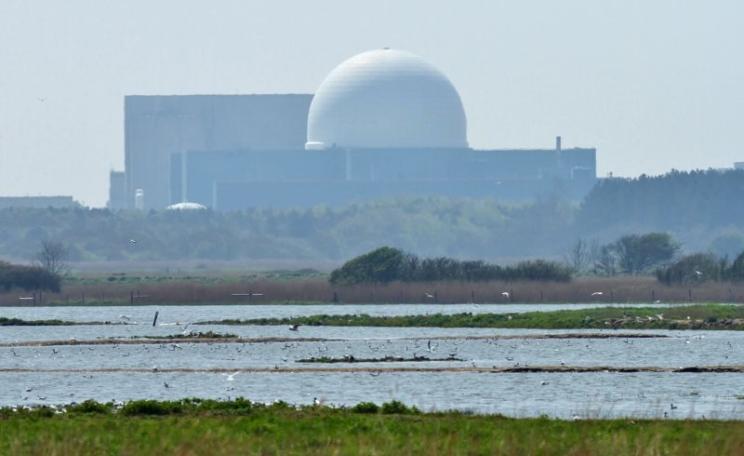
In its second consultation for the EDF's planned Sizewell C nuclear power station there's a strange omission, writes Peter Lux: that the plant would use 1,600 m3 of mains water a day, adding to stresses on important local wetlands like RSPB's Minsmere reserve. The omission is not just strange - it's also illegal and could make the entire exercise invalid.
President Trump comes into office determined to discard huge swathes of his predecessor's legacy on day one, writes Mark Barteau. But he will struggle to undo Obama's clean energy regulations. It's not just that they are legally robust, it's also that energy markets in the US and the wider world have shifted firmly, and irreversibly, towards efficiency and renewables. Sorry, Mr Trump.
2017 began with bang for Friends of the Earth, writes Tony Juniper, with a hostile media blitz orchestrated by the fracking industry and abetted by the Advertising Standards Authority (ASA). But the storm, over alleged errors in an FoE leaflet about the hazards of fracking, reveals nothing so clearly as the disgraceful conflict of interest at the top of the ASA itself.
The nuclear industry faces an uncertain future as the reactor building boom is struck by unexpected costs, serious technical problems, and long, expensive delays, writes Paul Brown. Meanwhile renewables like wind and solar are offering investors an enviable combination of falling cost, low risk, fast build times, predictable returns and minimal long term liabilities.
A legacy of lies and covered-up accidents has left nuclear energy with a serious credibility gap, writes Paul Brown. But poor safety is only the beginning of the industry's problems. With 'new improved' reactor designs all running late and way over budget, any nuclear revival can only be sustained at massive, unaffordable taxpayer cost.
Fracking has no social licence in the UK, will contribute little to the economy, will have a huge adverse impact on other sectors, will be a disaster to climate and the environment, and won't even improve energy security, write Peter Strachan and Alex Russell. Do we really want to see 16,000 or more shale gas wells drilled in the British countryside? Let's FraXit now!
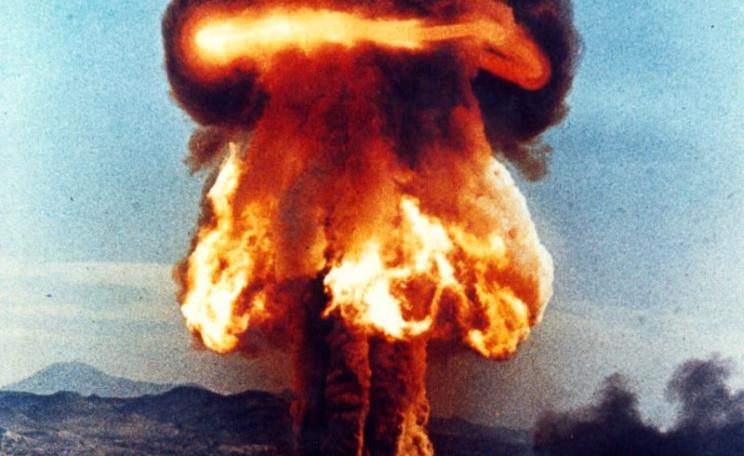
The Lifetime Study of Japanese A-bomb survivors is a monumental fraud which deliberately excludes controls for being 'too healthy', writes Chris Busby. Put them back in, and you find that low levels of radiation cause over 100 times more cancer than they are 'meant' to, creating a silent global massacre of the innocent. Under the Euratom treaty, the entire nuclear industry must now be 'rejustified'.
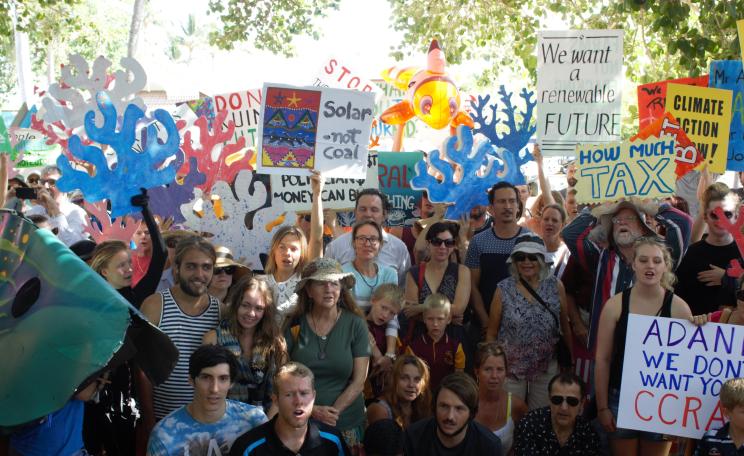
Australian politicians are putting the Great Barrier Reef at risk by approving one of the world's largest coal mines, say activists and marine scientists. MAXINE NEWLANDS reports