ExxonMobil has been funding high quality science while also funding and supporting climate denial. So should scientists continue to accept money from oil companies and other vested interests? KATHARINE HAYHOE, a climate science professor, discusses her own early ExxonMobil funding and the ethical issues it raises
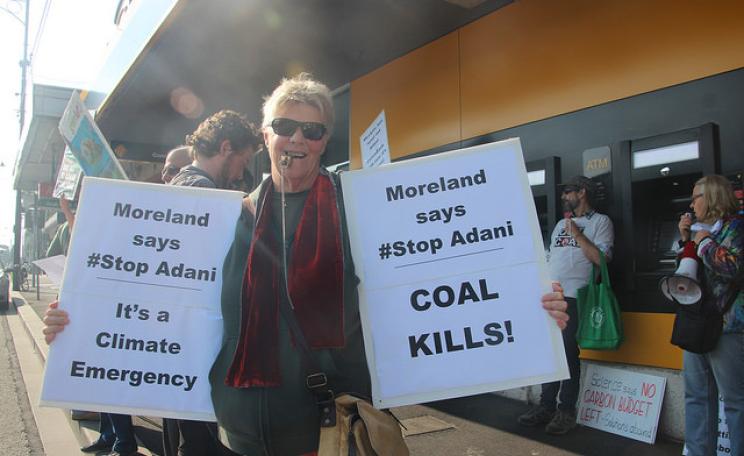
The Adani-Carmichael Coal Mine is an enduring stain on Australia’s underdeveloped environmental policies, with new fraud cases and environmental assessment reports weighing the venture down. Australian environmentalist MARIAH SAMPSON takes a look at the current state of affairs surrounding the plans for the biggest open coal mine in the world.
Environmental campaigning groups including Greenpeace and WWF publish a joint report today calling on the UK Government to bring forward the proposed ban on petrol and electric cars to 2030.
JOE WARE reports
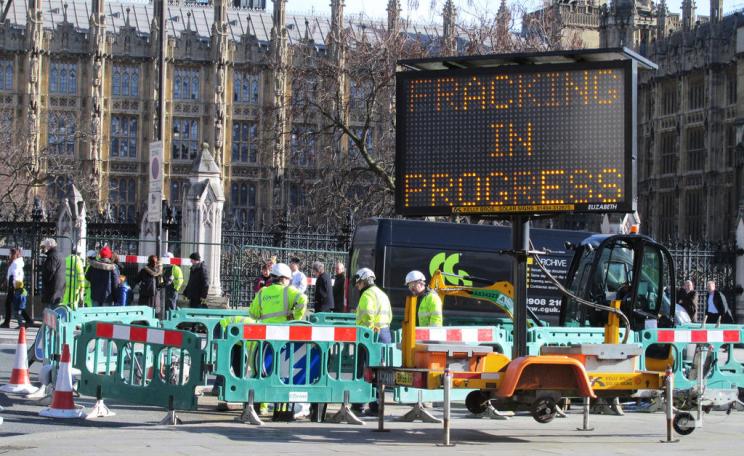
We’re 55 million years too late for hydraulic fracturing to work in the UK, claims Professor John Underhill, the chief scientist at Heriot-Watt University. BRENDAN MONTAGUE reports
A collapse in the price of uranium has not yet stopped Australian mining company GME from trying to press ahead with a massive open-pit uranium mine on an Arctic mountain in southern Greenland, writes Bill Williams - just returned from the small coastal town of Narsaq where local people and Inuit campaigners are driving the growing resistance to the ruinous project.
The Shock of the Anthropocene has been translated from French into English and published by Verso. NATALIE BENNETT, the former Green Party leader, explains how it is an important, informative and interesting book which all ecologists should read.
There will be enough fossil fuel-burning stuff - cars, homes, factories, power plants - built by next year to blow through our carbon budget for a 2 degrees Celsius temperature rise. Never mind staying below a safer, saner 1.5 degrees of global warming, warns STEPHEN LEAHY
Forum for the Future, an international sustainability non-profit, has published a report in which former energy bosses, ministers and civil servants advise the Big Six energy companies to back renewables, reports BRENDAN MONTAGUE
How do you solve the problem of ‘retired' mine pits aka huge abandoned holes in the ground? Turning them into lakes is a popular solution but maybe not the best one says ANICA NIEPRASCK who should know since she grew up in the Lausitz region of Germany in a community surrounded by these massive, dangerous and polluting land holes
A new report about to be released shows methane leaks from active and abandoned wells in British Columbia are more than twice as high as government estimates making them more polluting than commercial transportation, writes ANDREW NIKIFORUK
China's coal extraction and consumption peaked years ago and much sooner than anticipated. But the Silk Belt and Road Initiative – a massive foreign investments plan – seems to outsource China's emissions. Just like we in the West did, when we moved production to China. Ecological economists, FEDERICO DEMARIA and JOAN MARTINEZ ALIER report
Theresa May's government may have come to a grinding halt on environmental regulation but businesses still have a responsibility - and with it huge opportunities - to go green, argues JASON SMITH
The cyclists of the Tour de France may not set off until next week but in Kenya a group of young people have taken to their bikes to raise awareness about the power of sustainable energy ahead of the country's general election on August 8.
JOE WARE reports
The winner of the 2017 Ashden Award for Sustainable Energy and Water - announced today (12th June, 2017) - is Futurepump, which manufactures an affordable, highly efficient and portable solar irrigation pump aimed at the millions of smallholder farmers in Kenya and around the world, writes CHHAVI SHARMA
With growing evidence of harm to physical and mental health caused by continuous pulsed em radiation from 'smart' electricity meters, Lynne Wycherley asks: have we underestimated risks to heart function and the nervous system? And of interference with embedded medical devices, such as cardiac pacemakers? It's time to switch to over-wire or fibre communications to bring the 'smart green grid' of the future to electrosmog-free reality.