As we wait to learn whether (later today) Trump will pull the US out of the Paris Agreement, Remo Bebié of Finance Dialogue shares his briefing report of the what is being seen as growing demands that oil companies incorporate the international deal in their business models
Ecuador is the latest country to tear up 'free trade' agreements that have so far cost the country $21 billion in damages awarded to foreign companies by 'corporate courts', and yielded next to nothing in return, writes Nick Dearden. So the outgoing President Correa did the only sensible thing: in one of his final executive acts this month, he scrapped 16 toxic trade and investment treaties.
When Prime Minister Theresa May went to Brussels to hand in her 'Article 50' Brexit notice, she was also pursuing a separate, covert objective, writes Zachary Davies Boren. Leaked papers show that the UK was lobbying to gut new EU rules and targets on renewable energy and energy efficiency - even though they will only come into force after Brexit.
The UK government claim that fracking is a 'clean' energy source rests on the conclusions of a single scientific paper, writes Paul Mobbs. And now that paper has been conclusively invalidated: it uses misleading figures that understate the methane emissions from fracking, and subsequent findings have left it totally discredited. Yet the paper is still being quoted to justify fracking, and the fool the public on its climate change impacts.
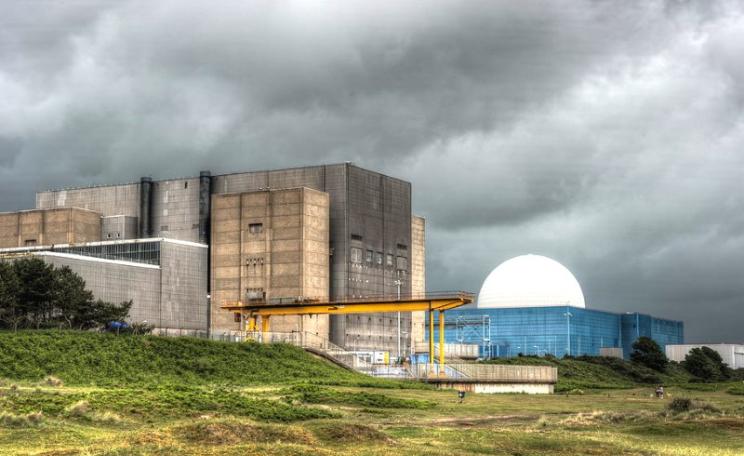
After years of pro-nuclear bombast from the Conservative Party, its 2017 manifesto hasn't got a single word to say about nuclear power, write Oliver Tickell & Ian Fairlie. Instead it announces a renewed focus on cutting energy costs, and a big boost for increasingly low-cost wind power; while both Labour and Libdems offer only weak, highly qualified support for new nuclear build. And so the great British 'nuclear renaissance' reaches its timely end.
Between 2011 and 2016 the UK's export finance agency UKEF provided £109m to underwrite exports of equipment to coal mines in Russia, writes Lawrence Carter - despite the agency's commitment not to support 'investment in dirty fossil-fuel energy production'. And that's just a fraction of the £6.9 billion UKEF has lavished on the corrupt, polluting sector since 2000, while it was meant to be backing the clean energy technologies of the future.
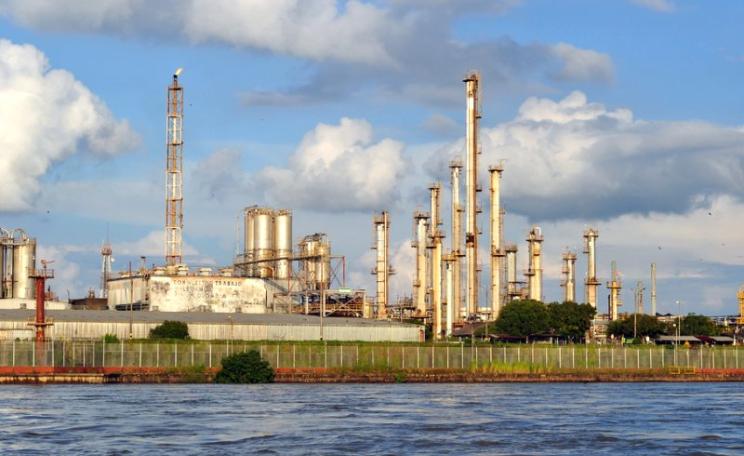
With oil prices remaining low, the world's oil industry is facing bleak years ahead, writes Paul Brown. The global push to decarbonise the economy, combined with surging renewable energy and the trend to more efficient and electric vehicles, is denting investor confidence and pointing to the shrinking away of a once mighty and profitable industry.
Since the beginning of the year, increasing efforts by both public and private institutions to reduce their exposure to fossil fuel investments have emerged and over the weekend, UK campaigners further stepped up the pressure in a serious of co-ordinated Global Divestment Mobilisation (GDM) calls for continued divestment. Remo Bebié takes an overview
President Trump's recent executive order could open an area of America's most precious landscapes bigger than Yellowstone to oil drilling and coal mining, write Lawrence Carter & Joe Sandler Clarke. The 27 monuments 'under review' harbour huge volumes of oil, gas and coal: just what's needed to fuel Trump's vision of fossil fuel-led development - never mind the cost to scenery, wildlife, historic sites and indigenous cultures.
A huge raft of environmental reforms is promised in the Labour Party's draft manifesto, writes Oliver Tickell. Among the highlights: a ban on fracking; a clean energy policy based on renewables and efficiency; no commitment to new nuclear power; to meet our Paris Agreement obligations on climate; to give companies a legal obligation to protect the environment; to retain all EU environment laws post-Brexit; and multilateral nuclear disarmament.
Reporting from this month's international climate conference in Bonn - a preliminary to this year's COP23 in November - ARTHUR WYNS explores the glaring conflicts of interests which sees fossil fuel lobbyists in the same room as delegates discussing policy to avert climate catastrophe
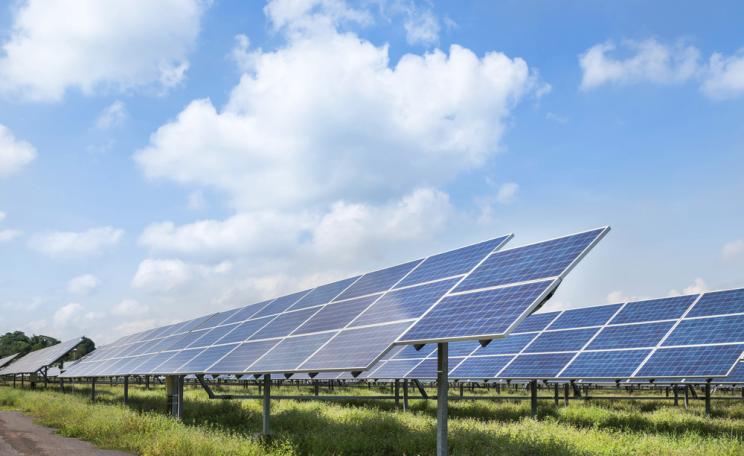
Mexico's oil looks set to run out within a decade, writes Jeremy Leggett, and it can hardly rely on Trump's America to make up the difference. But Mexico enjoys abundant sunshine, and the cost of solar power generation is falling fast. Let Trump tie America's economy to debt-financed fossil fuels. Mexico's future prosperity will come from harnessing its inexhaustible solar riches.
The months-old protest at Preston New Road, Lancashire, is no longer just about fracking, writes Mat Hope. This dispute is now about London versus the North. It is about the government failing 'the people' from which it has become detached. It is about people sensing hopelessness and helplessness and trying to find a means to resist. And it is about holding on, steadfast, in spite of it all, knowing this is the forgotten frontline of a far greater struggle.
The mighty Asian Development Bank is celebrating its 50th birthday this week in Yokohama, Japan, writes Hemantha Withanage. But the victims of ADB's $3 billion coal funding have little to be glad of - whether local communities impacted by mines and power stations, or people everywhere suffering climate change. ADB must stop financing coal now!