ExxonMobil, Shell, BP and 44 of the world’s biggest producers of fossil fuel products stand accused knowingly contributing to dangerous climate change in the first legal case of its kind. BRENDAN MONTAGUE reports
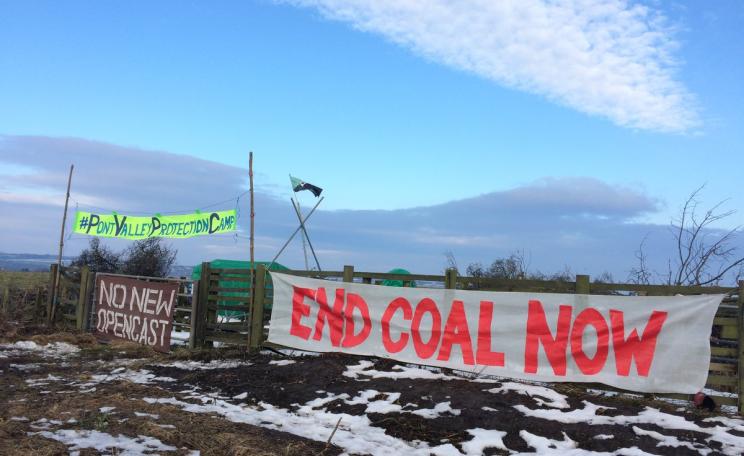
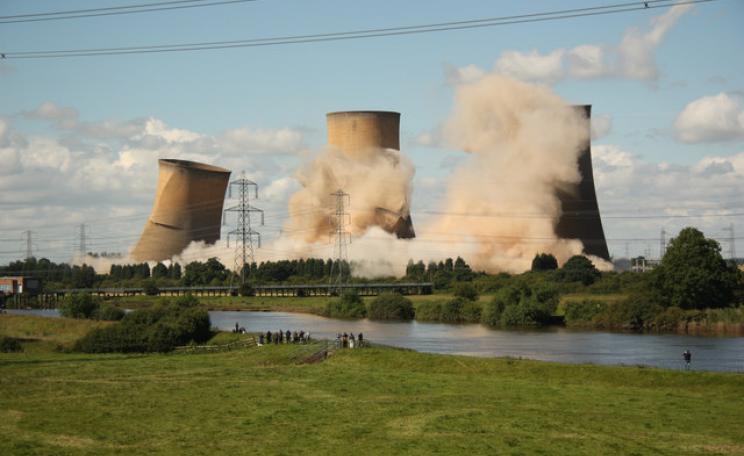
Theresa May and her Conservative government has promised to phase out the burning of coal in the UK by 2025. This should be a cause of celebration for climate change campaigners. But the plans have three dangerous loopholes, which means activists must remain vigilant, argues ALMUTH ERNSTING
A combination of community resistance, phase out commitments by governments, cities and businesses, and rapid cost reductions in renewable energy has resulted in a huge slump in construction of new coal plants. CATHERINE EARLY reports
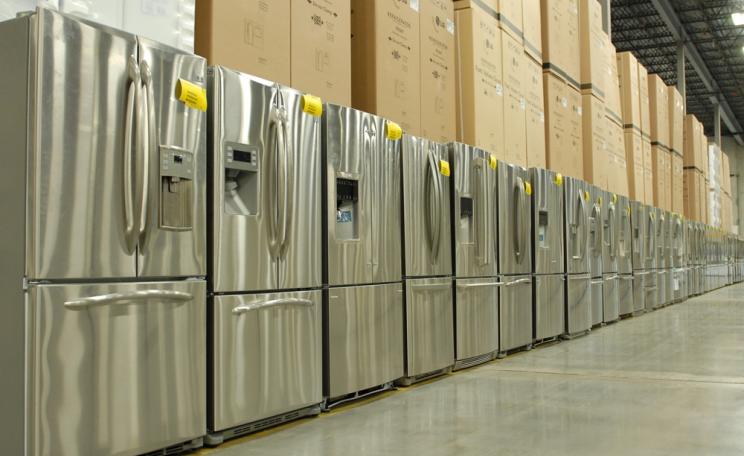
Recent research undertaken by Ethical Consumer magazine shows that seven major online retailers are ignoring European Union law and not showing energy labels for all required products. JOSIE WEXLER and CLARE CARLILE investigate
A new database tracks the local-level deals that allow fossil fuel companies to greenwash their image and cheaply purchase a social license to operate within communities in which they have a vested interest. MAT HOPE reports
Renewable energy at home - such as solar panels on the roof - can help save energy costs but also reduce a little our impact on the environment in terms of climate change. With such a win-win solution, why are we not all making the switch, asks EMILY FOLK
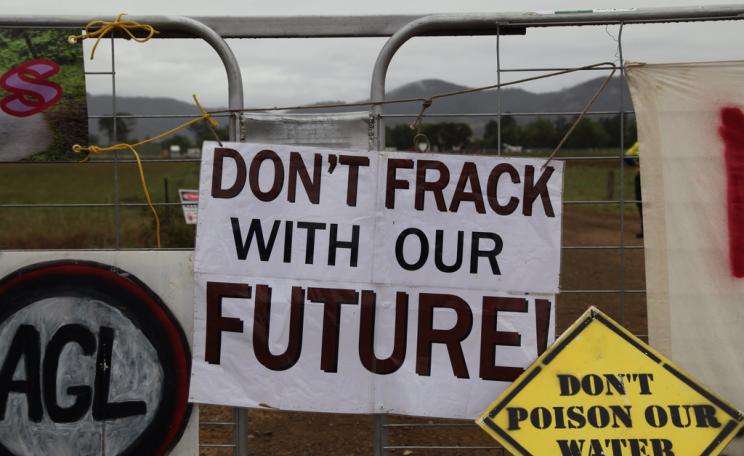
A leaked government document has confirmed many of the claims of anti-fracking protesters. The government's expectations are shown to have been lower than industry forecasts. Questions are now being asked about how realistic the initial forecasts were. JOSEPH DUTTON investigates.
Toxins in the air have reached “hazardous” levels in Pristina, Kosovo, last week. A ban on cars is welcome. But the real problem is the lignite coal plants nearby. So why is the Kosovo government, the US and the World Bank all supporting yet another new plant in the region? JACK DAVIES and GIOVANNI VALE investigate
Protects against the extraction of fossil fuels and other natural resources - ecological distribution conflicts - cannot simply be resolved by payments of compensation. That is because for most people outside of the corporate boardroom, money is not the primary concern. JOAN MARTINEZ ALIER, a leading academic, investigates
Shareholders in the six companies responsible for distributing electricity to homes and businesses across Britain are enjoying vast profits, according to a new Energy and Climate Intelligence Unit report. But this is driving up household bills. TOM PASHBY asks, is there a better alternative?
The UK was among the countries which signed up to the Powering Past Coal alliance, launched at the Bonn climate talks. But with coal generating just two percent of power in August, meeting the target of 2025 is all to easy. For other European countries - Poland and Spain included - phasing out coal will be an even greater challenge. NATALIE BENNETT investigates.
Theresa May's party made a commitment to delivering the lowest cost power in Europe. The Conservatives also promised utter impartiality in deciding between power generation technologies. So how can it now justify a pro-nuclear energy policy that could cost each household £12,600? OLIVER TICKELL investigates
Paris will tomorrow host a climate finance summit called ‘One Planet’. This last-minute gathering of business leaders, heads of state and civil society groups will discuss the future of a green economy. But in the lead-up to the summit a new report points to heavy investment in fossil fuel infrastructure. ARTHUR WYNS reports.
The opencast coal mine at Ffos-y-Fran near Merthyr Tydfil in Wales is the UK’s largest - and has produced eight million tonnes of coal. Now Miller Argent, the owner and operator, wants to extend the mine. Banks Mining has applied for planning permission to begin a new mine at Highthorn, in Northumberland. The application will go before Sajid Javid, the Communities Secretary, today. MAT HOPE of DeSmog UK spoke to the people most affected.