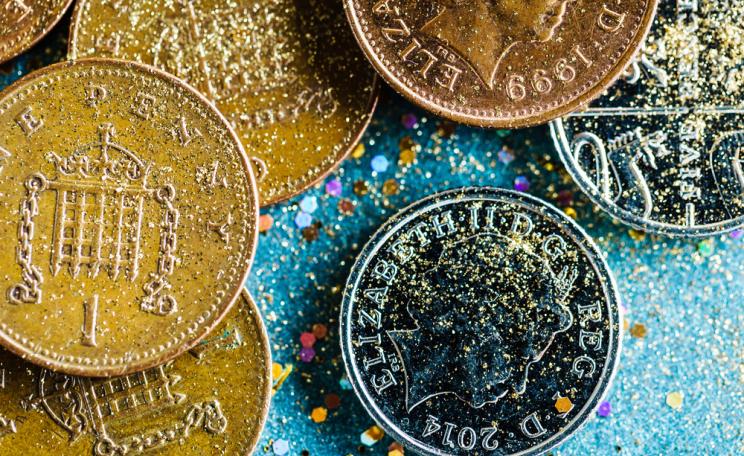
What kind of companies is the European Central Bank supporting by buying €46 billion of their bonds under its QE programme? Research by Corporate Europe Observatory reveals a strong preference for oil, gas, tar sands, dirty power generation, armaments, aviation, airports, car makers, motorways, luxury goods and gambling. Our sustainable be future be damned!
The President-elect may be determined to lead America down an environmentally damaging path, writes Andrew J. Hoffman. But he may find few in the corporate world, where a growing number of major players are committed to eliminating CO2 emissions and making sustainability a core element of their business systems and supply chains, leading to global green transformation.
While the government is cutting vital public expenditure across the board there's one industry for which no costs are too great, writes Martin Forwood. The price of an 'evaporator' at the Sellafield nuclear complex is escalating towards £1 billion, while billions more of taxpayer finance are being lined up to finance cooling systems, power lines and transport links for the adjacent Moorside new-build nuclear power plant.
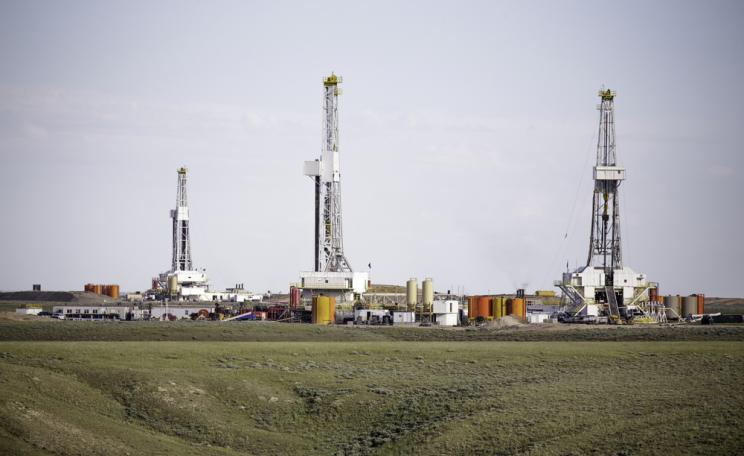
President-elect Trump's widely anticipated appointment of Exxon's CEO Rex Tillerson as new US Secretary of State is creating a government of, by, and for the oil and gas industry, writes Steve Horn.
The US is a party to the International Covenant on Civil and Political Rights and the UN Declaration on the Rights of Indigenous Peoples, write Colin Samson & Øyvind Ravna. Both require free, prior and informed consent for any intrusions on indigenous lands and stipulate that indigenous peoples shall own and control their traditional lands. The US is violating both at Standing Rock.
Nuclear giant EDF could be heading towards bankruptcy, writes Paul Brown, as it faces a perfect storm of under-estimated costs for decommissioning, waste disposal and Hinkley C. Meanwhile income from power sales is lagging behind costs, and 17 of its reactors are off-line for safety tests. Yet French and UK governments are turning a blind eye to the looming financial crisis.
To secure the clean energy transformation for the long term we must get the good news out there, writes Natalie Bennett - driving forward a popular movement for warm, comfortable homes, affordable fuel bills, community renewables and thriving local economies.
The world's poorest and most vulnerable countries are doing their bit to promote the expansion of renewable energy. The least we can do in the developed world is to ensure the money in our bank account helps rather than hinders their efforts, writes JOE WARE
Eight years ago the first exploration applications for unconventional gas extraction were submitted in South Africa. Last week fracking finally received official attention from South Africa's legislature during a debate that revealed how the country's different political parties gauge the benefits and risks linked to the drilling technique. JASPER FINKELDEY was at that debate.
Next April the UK government proposes to increase taxes on self-consumed solar electricity installations on schools, offices, warehouses and factories by a whopping 6-8 times, write the STA and undersigned. This inexplicable move, which threatens a once thriving solar industry already on its knees, must be abandoned.
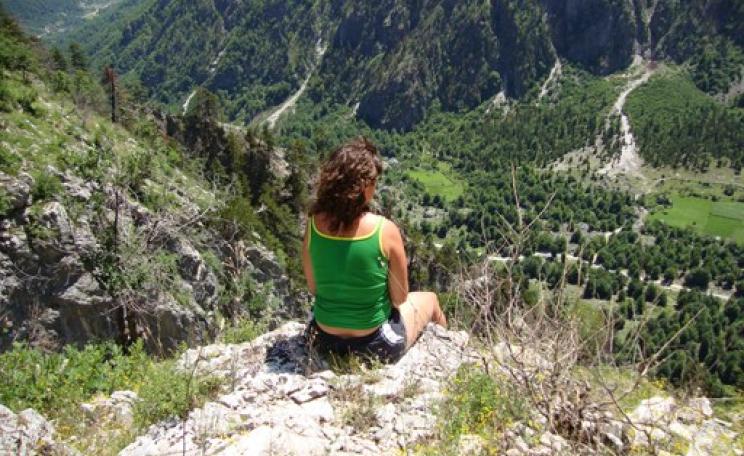
The Valbona Valley in northern Albania faces destruction from the planned works, despite being within the protected area of the Valbona National Park. LAURA BRIGGS reports
The International Energy Agency's latest World Energy Outlook is calling for increased investment in new oil and gas, writes Oliver Tickell, while minimising the fast-growing and ever lower-cost contribution to world energy supply of renewables like wind and solar.
Hundreds of square kilometres of Iraq are eclipsed by dense clouds of toxic smoke from fires at oil facilities and a sulphur factory blown up by 'Islamic State' terrorists, writes Doug Weir. With the fires left to burn for months on end, entire towns are suffering a public health catastrophe. But the Iraqi government is slow to act, or even collect vital health and environmental data.
With Trump denying climate change and threatening to reject the Paris Agreement, it's more important than ever for society to hold a firm ethical line, writes Chris Garrard. The last thing we need is our most revered museums and galleries muddying the water by courting the sponsorship of leading climate criminals.
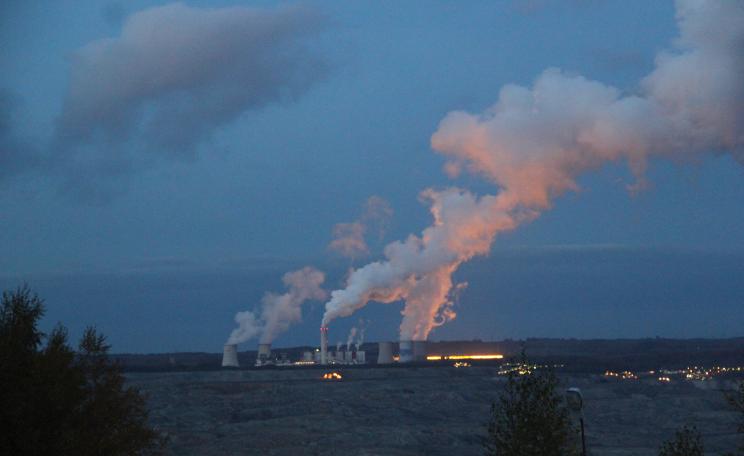
The Turow open-pit lignite mine is drying up water sources on both sides of the Polish-Czech border. In light of plans to expand mining at Turow, Czechs are now rebelling against putting up with damages from a foreign mine they get no benefits from CLAUDIA CIOBANU reports