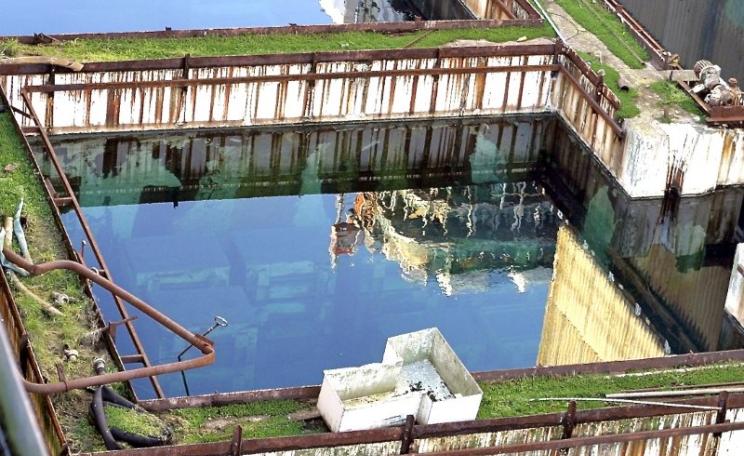
First we heat up cold water for baths, showers and washing, write Jan Hofman & Laura Piccinini. Then we chuck all that precious heat down the plughole. So how about recycling our waste heat to warm up water on its way to the boiler or hot water tank, cutting bills and emissions? Or on a larger scale, use the sewage from entire communities as a free energy source for heat pumps?
Under my leadership Britain will act to protect the future of our planet, with social justice at the heart of our environment policies, writes Jeremy Corbyn. Meeting our Paris climate targets will be the starting point for a green industrial revolution that will deliver clean, affordable energy to all, create millions of new jobs, and establish the export industries of the future.
The irrepressible Bill McKibben, and the movement he founded - 350.org - have been behind two of the biggest climate change victories in recent years: the blocking of the Keystone XL pipeline and the withdrawal of 3.4 trillion dollars of fossil fuel investments. He talks to JOE WARE
Theresa May's first big decision as PM was to duck out of a signing ceremony and review the Hinkley C nuclear project. But she will soon have to reach her decision. In this open letter Scientists for Global Responsibility set out six compelling reasons for her to let the whole monstrous white elephant go.
A new opinion poll of 2,000 adults reveals more than two thirds of the public support renewable energy schemes where projects are undertaken at a community level and local people receive financial benefit. The support even extends to wind and solar farms close to people's homes.
Last night's BBC Panorama programme did a good job at lifting the lid on Britain's ongoing nuclear disaster that is Sellafield, writes Ian Fairlie. But it failed to expose the full scandal of the UK's 'reprocessing' of spent fuel into 140 tonnes of plutonium, enough to build 20,000 nuclear bombs - while leaving £100s of billions of maintenance and cleanup costs to future generations.
As the G20 meet in China this weekend, it's time for governments to finally get tough on the world's tax dodgers, write Dipti Bhatnagar & Sam Cossar-Gilbert. The missing tax revenues would be able to finance a 100% renewable electricity system covering half the planet by 2030 - a major step in raising living standards and tackling climate change.
Four of Britain's major unions are big supporters of nuclear power, writes Ian Fairlie - all because of the jobs. Now Labour's shadow energy minister has joined them in backing Hinkley C - even though renewable energy is a far better job-creator than nuclear, and already employs three times more people.
Hydrogen made from renewable electricity is already fuelling vehicles at affordable prices, writes DAVID THORPE. But now the 'green' fuel is set to go from niche to mainstream - powering not just cars, trucks and buses, but storing surplus renewable energy on sunny and windy days, then to be burnt in gas turbines or fuel cells to supply the grid with reliable power on demand.
New York state recently set a terrible example by approving a $7.6 billion bailout of failing nuclear power plants, writes PETER BRADFORD. But other states aren't following. including California and Nebraska, where a host of highly competitive clean energy technologies are filling in the power shortfall left by nuclear closures, at much lower cost. It's time to let old nuclear reactors die.
New technologies are coming on stream that can turn sunlight and wind into liquid fuels for vehicles, homes or power plants, writes Chris Goodall. And by powering the process using 'free' renewable energy on sunny or windy days, the fuel will be as green as can be, and cost less than petroleum.
This month wood pellet mills in the southern US that supply the UK's Drax power station were awarded 'sustainability' certificates under a voluntary scheme governed entirely by energy companies. The certificates provide no credible guarantee that the fuel does not come from ecologically valuable natural forests and wetlands, clear-cut and replaced by industrial plantations.
As global temperatures reach new monthly highs and the Middle East is hit by record heatwaves, we might be forgiven for sliding into hopelessness, writes PAUL ROGERS. But a host of innovations in energy technology means that a carbon-free energy future is not just possible, but affordable. The first of the three paradigm shifts required to transform the climate change outlook is in place.
Ten advisers and civil servants working in DECC, the former UK energy department, were seconded from EDF or had other links to the company, writes Joe Sandler Clarke. This may help to explain the 'preferential treatment' EDF has received over the 3.2GW nuclear power station it wants to build at Hinkley Point in Somerset.
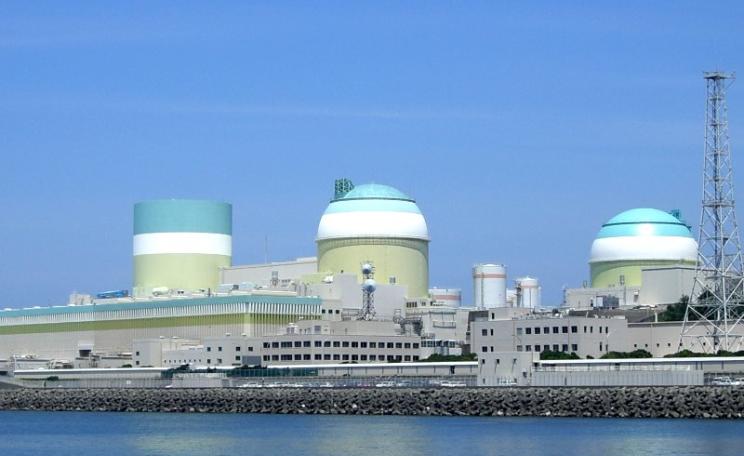
For all Japan's talk of 43 'operable' nuclear reactors, only two are actually running, writes Jim Green, as renewables and a 12% fall in demand eat into the power market. And while Japan's 'nuclear village' defends safety standards, the IAEA, tasked with promoting nuclear power worldwide, has expressed deep concerns over the country's weak and 'fragmented' safety regulation.