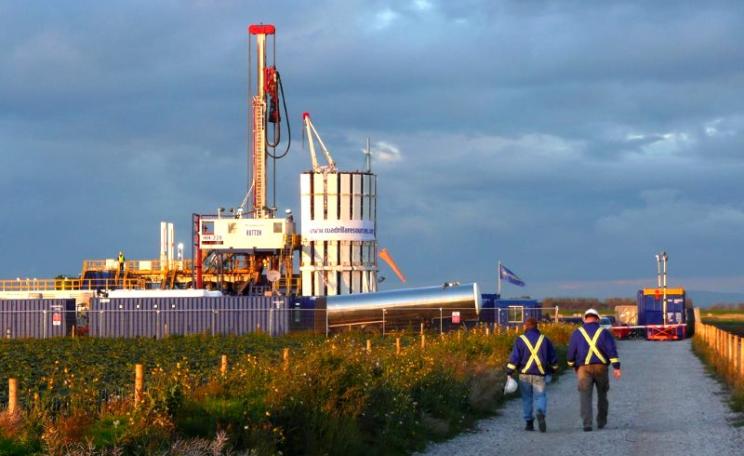
The anti-fracking movement scored a great victory when Lancashire councillors refused planning permission for two fracking wells, writes Damien Short. But dig deeper and the triumph was all the greater, as it overcame not just Cuadrilla, but a morass of pro-fracking bias and legal and scientific misrepresentation from those meant to be providing impartial advice.
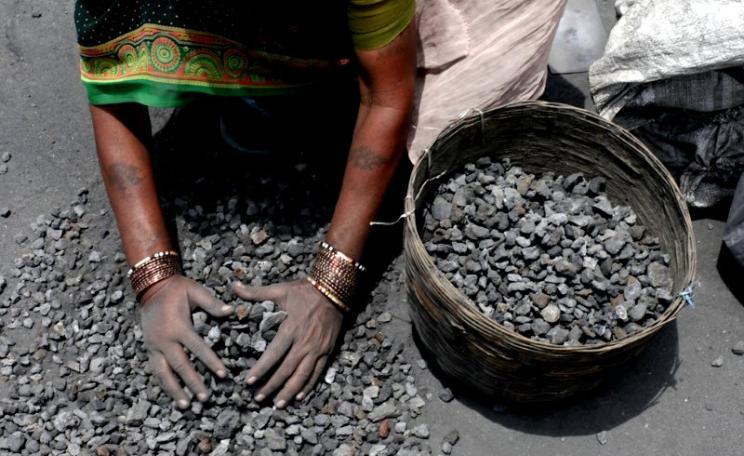
Coal companies and their 'sceptic' shills have almost given up on denying climate change, writes Brendan Montague. The new message is that coal is essential ... to end world poverty! And those who advocate climate action are 'harsh, cold-hearted' beasts. The one thing that hasn't changed? It's all lies.
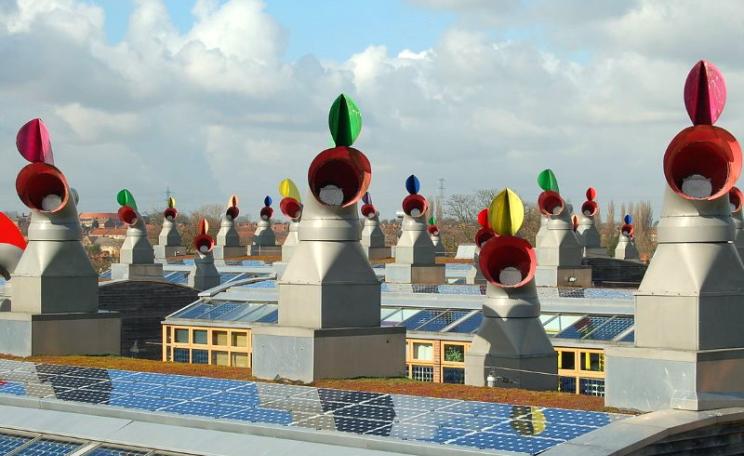
The UK Government has ditched the requirement for new homes to be 'zero carbon' from April 2016, writes Gordon Walker. With builders already geared up to meet the challenge, this needless reversal will raise energy bills and carbon emissions for a century or more to come, and send out all the wrong signals for the Paris climate talks.
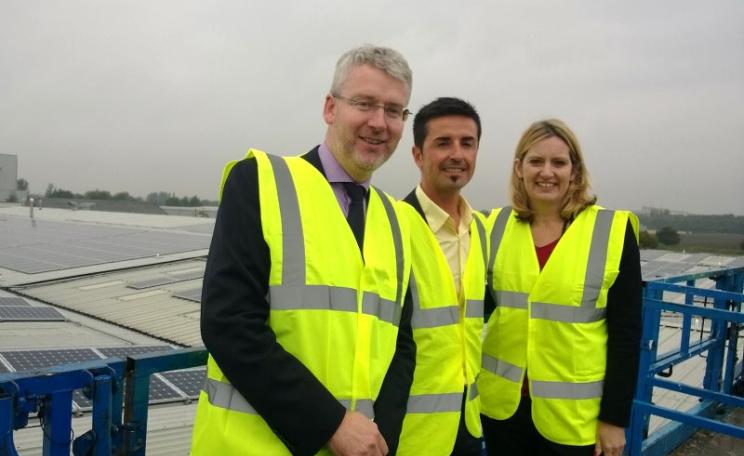
Energy secretary Amber Rudd promised 'a new solar revolution' for the UK, writes Kyla Mandel. But now the industry is braced for a massive round of cuts that could kill off the sector, just as it's on course to be the UK's first subsidy-free renewable power source in 2020.
Moving to 100% clean, renewable energy is a win-win option for South Australia, writes Mark Diesendorf. First of all it's highly doable over a 25-year transition period. It will also bring lower power prices, more employment, better health and a cleaner environment. What's not to like?
As nuclear projects using the EPR design run into long delays and huge costs overruns, industry hopes are pinned on the Westinghouse AP1000 reactor, writes Chris Goodall. But with eight AP1000 projects around the world going the way of the EPR, is it really a wise choice for the UK's Moorside nuclear site?
Breaking a clear pre-election promise, the government will allow fracking to take place in the UK's most precious wildlife sites and in vital groundwater source areas, writes Adam Vaughan.
Next month is the time for green activists to get together in the glorious Peak District, coordinate future actions on everything from fracking to road-building and climate change ... and of course, share the love, writes Indra donFrancesco, Yes, it's the Earth First! summer gathering, and there's never been stronger reasons to go.
After 20 years of oil spills, deforestation, waste dumping and ill health, farmers and indigenous people in the the Ecuadorian Amazon have been fighting the Chevron-Texaco corporation. But despite its three times conviction and a $9.5 billion damages award to the victims, the oil giant looks no closer to making good its damage.
The 1865 Treaty of Point Elliot is clear, writes Jan Hasselman: the Lummi Nation has the right to fish, hunt and gather in their accustomed places in perpetuity - and they can't do that if a gigantic coal terminal is built in the Salish Sea's most productive waters. First Nations' treaty rights are now central to protecting the Pacific Northwest from destruction by fossil fuels.
David Cameron is gunning for a strong climate agreement in Paris this December, writes Dr Doug Parr. Meanwhile his government is doing all it can to undermine renewable energy and energy efficiency in the UK, and lock us into a high carbon, fossil-fuelled future. Can he really have it both ways?
The GMB trade union has called on the UK government to press ahead with the Hinkley Point C power station despite legal challenges and serious technical failures. In this Open Letter, David Elliott, Ian Fairlie, Jonathon Porritt and colleagues tell the union that its members' interests lie in our renewable future, not the nuclear past.
A second legal challenge to the UK's proposed Hinkley C nuclear power plant in Somerset was launched this morning by ten renewable and municipal power suppliers in Germany and Austria, citing grave distortions to European energy markets.
Shell's Arctic drilling expedition is literally on the rocks after its icebreaker MSV Fennica suffering a metre-long gash to its hull below the waterline, writes Zachary Davies Boren.
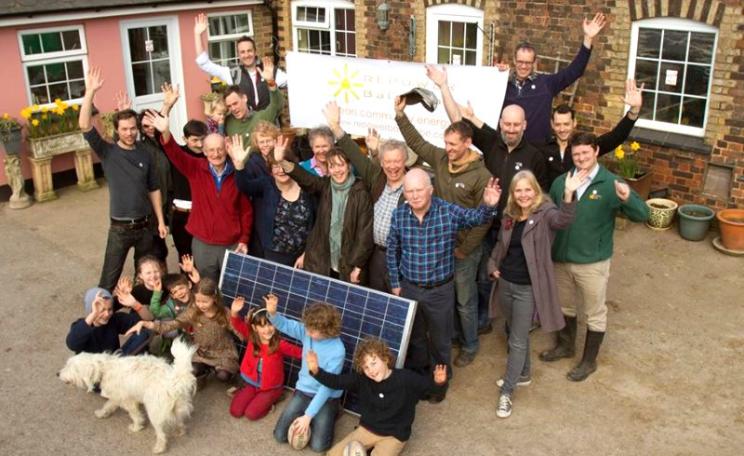
When fracking came to Balcombe in West Sussex in 2013, it divided village opinion, writes Joe Nixon. But the community is now united in its commitment to locally owned renewable energy, with solar projects on schools and farm buildings, and plans just in for a new 5MW solar farm.