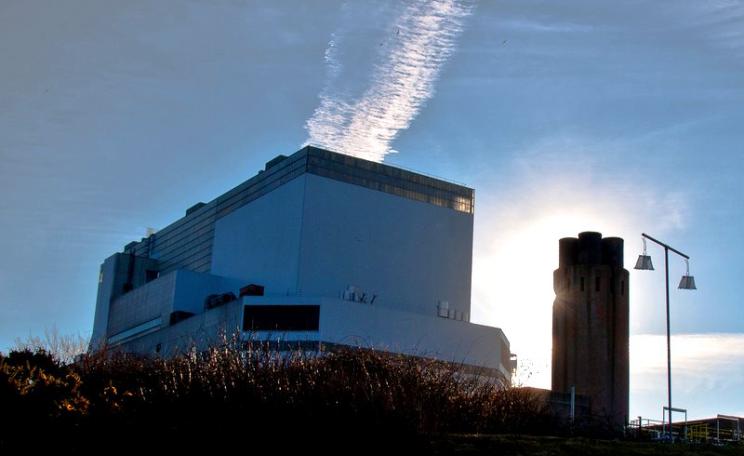
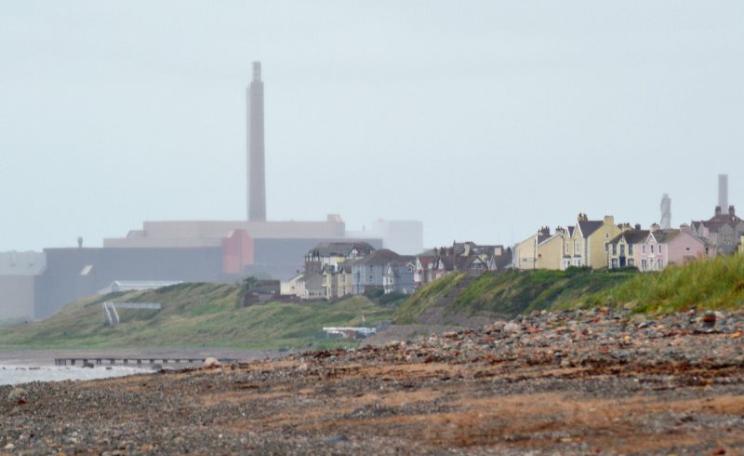
Will Labour turn against nuclear power? As Chancellor, Ed Balls would have cancelled Hinkley C due to its massive cost, writes Ian Fairlie. But he never got the chance, and now the party remains muted even though the Government's nuclear enthusiasm is completely out of kilter with reality. To end nuclear's grip on Labour there's only one choice of leader: Jeremy Corbyn.
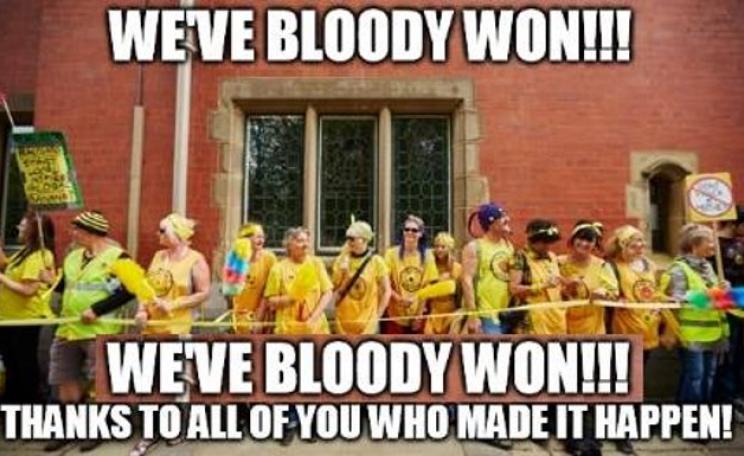
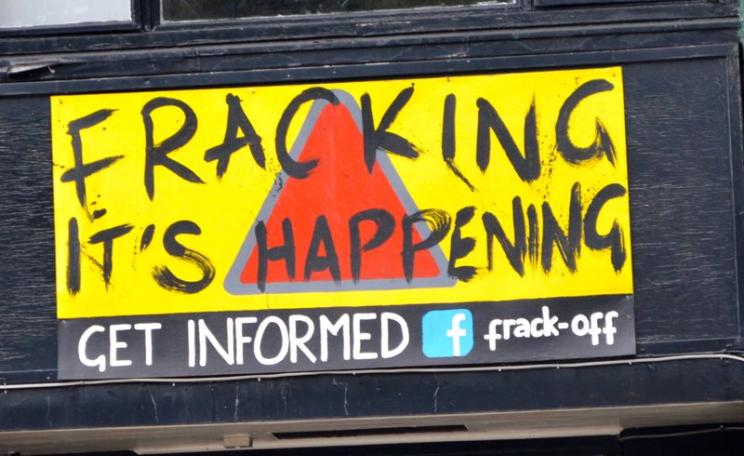
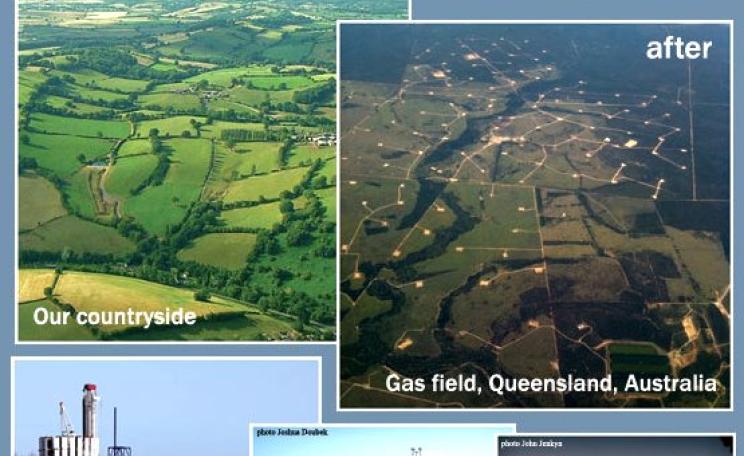
In a dramatic decision this morning, Lancashire county councillors voted 9:3 to reject Cuadrilla's planning application to frack at Preston New Road, defying the warnings of their own planning officers.
Independent legal advice shows that Lancashire councillors can refuse Cuadrilla's application for planning permission to frack at the Preston New Road site in Lancashire - contrary to advice from the Council's officers.
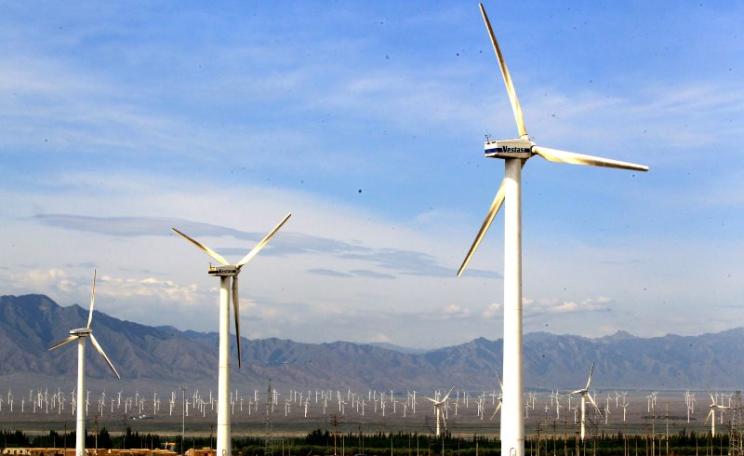
Following premature cutbacks to onshore wind farms the UK's energy security will increasingly depend on large scale offshore wind power, write Ian Broadbent & Peter Strachan. But while energy secretary Amber Rudd talked the sector up in her speech yesterday, she revealed feeble ambition, and said nothing to overcome investors' fears of being left out in the cold.
The Government's reckless pursuit of fracking and nuclear power, combined with its irrational hatred of renewables, onshore wind in particular, is taking the UK down a dangerous energy cul-de-sac, write Peter Strachan & Alex Russell. A redical rethink is due, or we'll be stuck with soaring fuel bills for years to come.
As Lancashire councillors prepare to decide the planning application to frack in the county, writes Kyla Mandel, the UK's transparency watchdog has ordered the government to publish in full a report on the impacts of fracking, previously published only in a heavily redacted version.
The previous government came in on a bold promise to be the 'greenest ever', writes Jonathon Porritt. But what we got was a shameful record of ideologically driven policies that promoted fossil fuels, undermined action on climate, obsessed over nuclear power, did nothing to arrest the decline in the nation's wildlife and biodiversity - and suggest even worse to come.
As Shell's Polar Pioneer drilling rig sails from Seattle into the north Pacific, Christine Ottery discovers that US federal regulators had serious concerns about the company's safety equipment designed to contain any oil spill.
Despite the PR spin the truth about nuclear power is clear, says Paul Flynn. Current projects are plagued with technical failures, cost escalations and long delays - while renewables power ahead. As tin-eared ministers refuse to get the message, it's time for civil servants to speak out direct to the public.
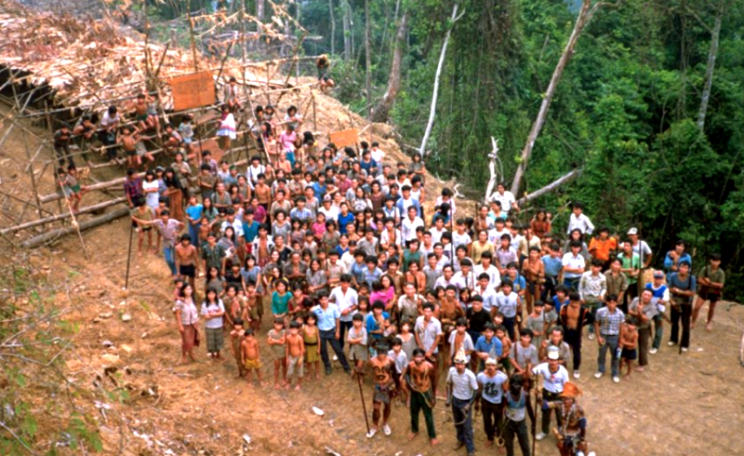
Sarawak state in Malaysian Borneo already has an excess of electricity from existing hydropower dams - so why is the government determined to build a dozen more, displacing indigenous communities and flooding vast areas of rainforest? The answer, says a new documentary film by The Borneo Project, is simple - massive political corruption.
Japan and Germany have much in common: both are major industrial countries that have gone nuclear-free, writes Peter Matanle - Germany by choice, Japan by necessity. But while Germany is actively pursuing its renewable energy revolution, or Energiewende, Japan, possessed of the richest renewable energy resources in East Asia, is stuck in a fossil fuel pit.
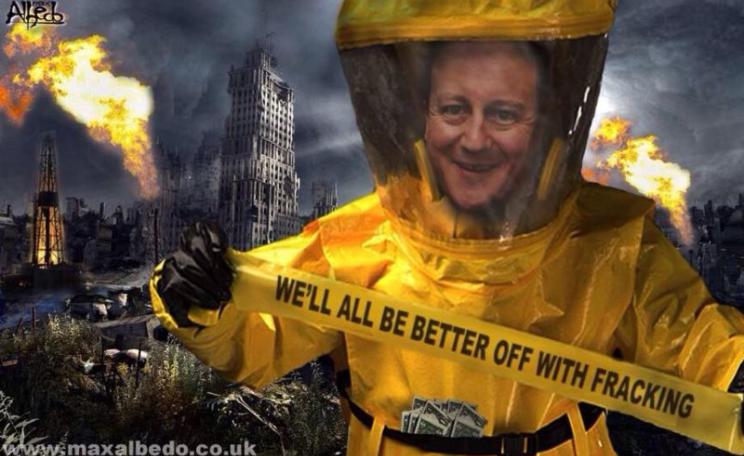
The Government is struggling to spin its policy to fast track fracking, writes Paul Mobbs. So as it cuts the public out of the regulatory process, exempts exploratory wells from controls, and forces the Environment Agency to issue permits with 1-2 weeks, its spin machine has resorted to outright lies and misinformation to conceal the scale of the attack on our environmental rights.
China's success in driving down its fossil fuel burn will raise chances of a success at this year's Paris climate talks, writes Kieran Cooke - but first the world must appreciate the changes China is making, and how clean energy is catalysing a broader economic transformation.
As Lancashire planners come out in support of the UK's first fracking well, Jojo Mehta has something to celebrate: the resounding success of the 'What does FRACKING mean?' leaflets she crowd funded for in April. So far 80,000 have gone out to campaigners and volunteers all over the UK, and requests for more are piling up.
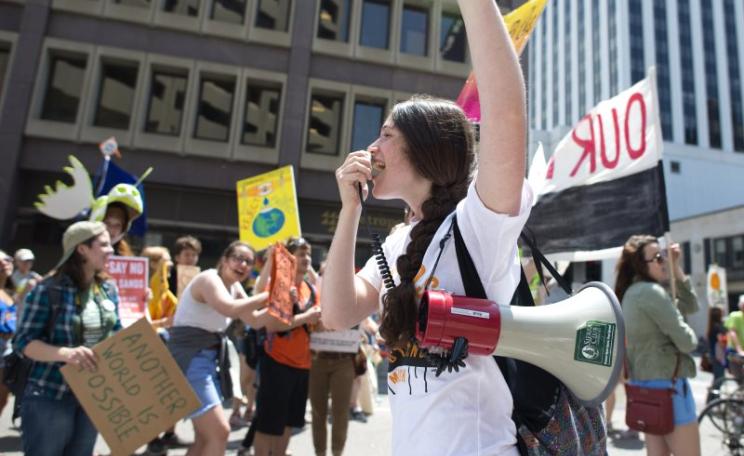
The Midwest's largest ever anti-tar sands demonstration took place in Minnesota last weekend, writes David Goodner, cementing a new alliance of diverse communities united in resisting the pollution and destruction of tar sands exploitation, processing and transportation.