After six decades of oil exploitation, Nigeria's failure to provide for its citizens and develop its economy has exposed a hollowed-out state that benefits only the politicians and plutocrats, writes Joshua Goldfond. This is the environment in which Boko Haram has flourished, and as Nigeria proves incapable of effective action or reform, there's no end in sight to the nation's misery.
Faced with the task of decarbonising our electricity supply, it would be foolish to rule nuclear power out of the mix, writes Baroness Worthington, in her reply to Dr Becky Martin, whose open letter was published in The Ecologist.
Friends of the Earth opposes new nuclear power stations in the UK. And that's great, writes Jonathon Porritt, except for their complete failure to campaign about it - even though the government's nuclear obsession is a huge obstruction to the renewable energy future FoE says it wants. Please can we have some action now?
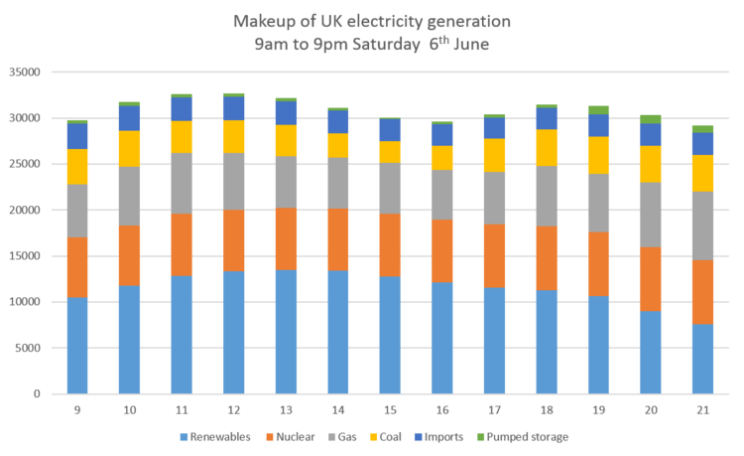
Thanks to the windy, sunny weather conditions on Saturday, the UK's output of renewable power reached an all-time record level of 43%, writes Chris Goodall. At the same time power from coal reached a low of just 7%, it what may be a record low contribution.
Norway's sovereign wealth fund, worth over $900 billion, has today announced that it will divest from coal, a move expected to force the sale of investments worth $13.3 billion. Campaigners say that other funds have now 'run out of excuses' not to follow suit.
Today UK campaigners against burning biomass for power will deliver a 110,000 signature petition to DECC to protest at government subsidies for the practice. But in this 'Right of Reply' article Matthew Rivers, chairman of Drax Biomass, argues that biomass combustion is sustainable, benign, and helps to conserve forests worldwide.
The Apollo Programme proposed this week to make renewable energy cheaper than coal through technological advances is welcome, writes James Dyke. But the real problems are political, not technological. Unless we back the Apollo vision by challenging the power of fossil fuel companies, it can never succeed.
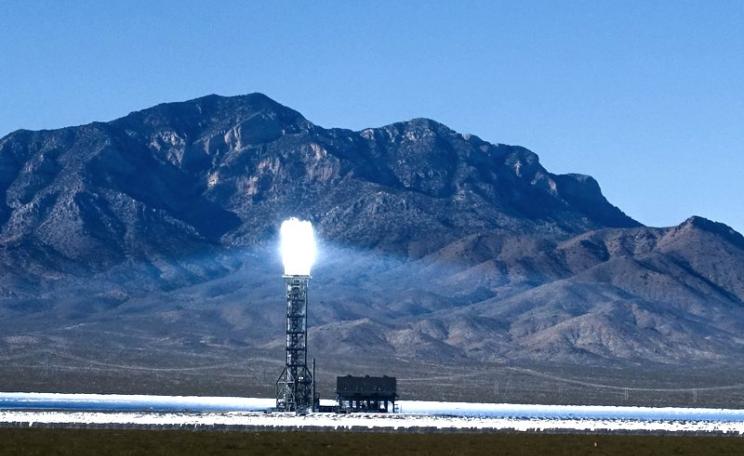
An ambitious plan to make a wholly renewable energy system cheaper than fossil fuels within a decade has been launched today and is set to receive its first hearing at the G7 Summit in Germany next week.
The fossil fuel industry and its political backers have been left reeling by an unprecedented series of direct action strikes against targets across the country to protest at continuing investment in and official support for fossil fuels, inaction over fuel poverty and the systematic neglect of renewable energy despite the global climate emergency.
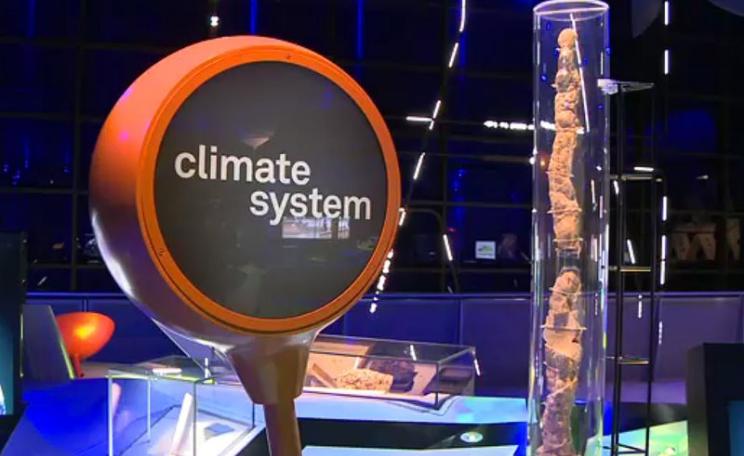
Emails released by the Science Museum show that Shell pressed its case to Museum staff to deny NGOs the opportunity to open up a debate on the company's operations in connection with an exhibition it had sponsored on waste and climate change, writes Terry Macalister.
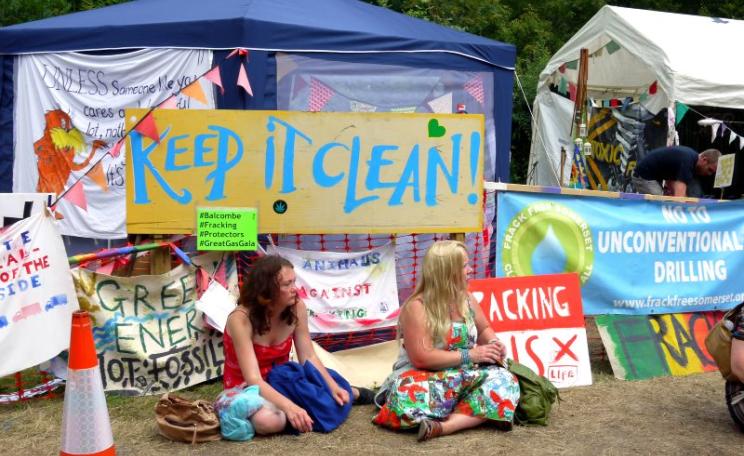
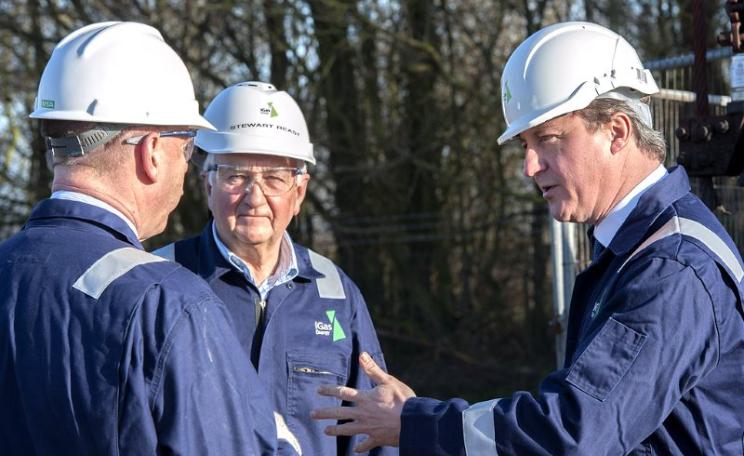
Emboldened by the Tory election victory and the appointment of Amber Rudd as energy Secretary, writes Ben Lucas, planning applications to frack have been coming in thick and fast - even in densely populated London boroughs.
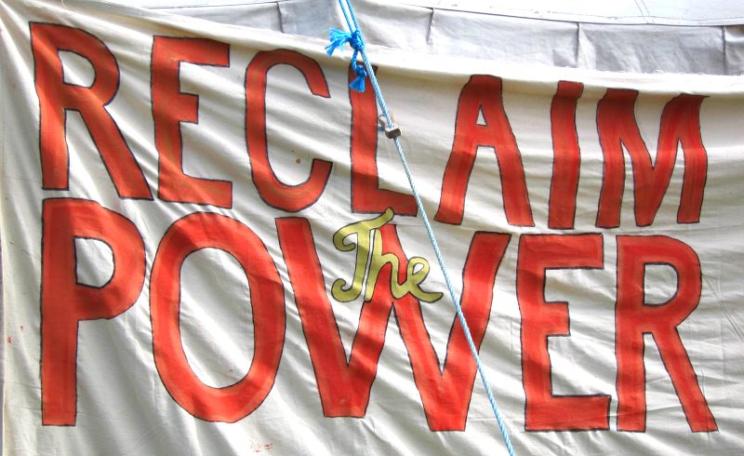
Hundreds of campaigners are gathering at Didcot Power station in Oxfordshire to demand a green energy future - and an end to the Government's relentless push for fossil fuels and nuclear power, writes Diêgo Lôbo. Preparations are under way for a series of actions due to take place tomorrow, Monday 1st June.
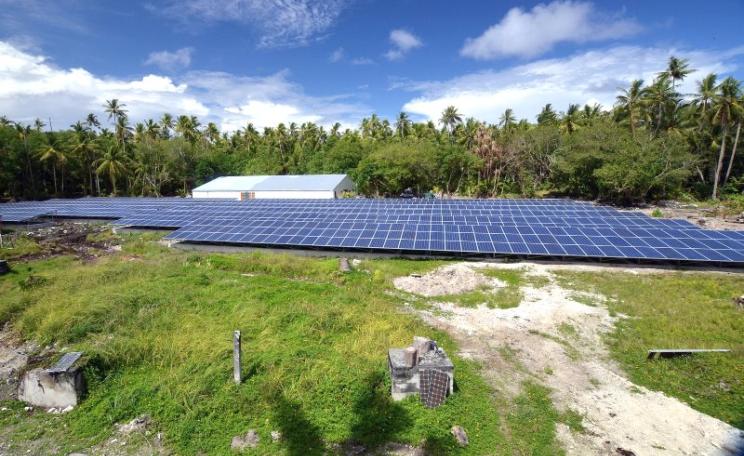
A host of Pacific nations are turning to renewable technologies to satisfy 100% of their energy, writes Maxine Newlands. Samoa is aiming to achieve 100% renewable energy by 2017, while Tokelau has already reached 94% including 100% of its electricity.
Shell claims a third party audit into its plans to drill for Arctic oil and gas has found 'no issues of significance', writes Joe Sandler Clarke. But the audit remains under wraps, and may never be released in full. Now Obama pledges his support for the project - just as it turns out that Shell selected the 'independent' auditor.
Shale gas advocates say we must open up the UK to fracking to reduce our dependence on Russian gas, writes Tony Bosworth. But why not just burn less of the stuff? Energy efficiency and renewables can achieve the same aim without the adverse impacts on land, water and climate.