Edelman, the global PR group, has a history of aggressive 'consent engineering' for the fossil fuel industry in North America, writes Paul Mobbs. So what are they doing running 'impartial' UK bodies including a Parliamentary group on unconventional oil and gas, and the 'independent' Task Force on Shale Gas? Are they really US-style 'astroturf' bodies designed to fool us all?
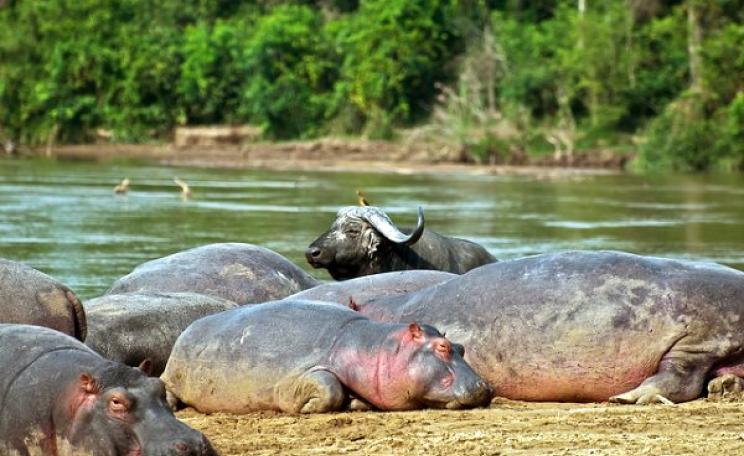
The Democratic Republic of Congo is to consult UNESCO, writes Melanie Gouby, over its wish to 'explore judiciously' for oil in Africa's first and most biodiverse National Park and World Heritage Site.
Mining corporations, politicians and big NGOs are meeting in London today to plan the future of extractive industries in Africa, write Nnimmo Bassey & Sheila Berry. Absent African civil society and impacted communities, delegates are setting an agenda for 'resource-led development' that will cook the continent in the greenhouse gases of its plundered oil, gas and coal.
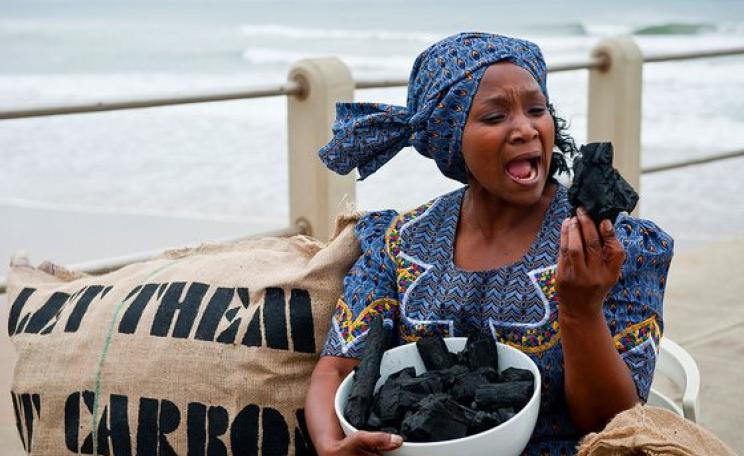
A new coal and biomass-fired power station could soon be built at Drax in Yorkshire, already the UK's biggest coal burner, writes Almuth Ernsting. It comes with a weak promise of possible 'carbon capture and storage' - an expensive, inefficient technology shunned elsewhere. As the Government's nuclear dream fades, could this be its equally flawed replacement?
Indian coal firm Adani is struggling to finance its proposed mega coal mine in Australia's Galilee Basin, write Marina Lou & Christine Ottery, as promised government support evaporates and a major investor looks set to pull out.
Deep in the Algerian Sahara, the oasis town of Ain Salah is a focus of opposition to a new wave of fracking, with violent confrontations between police and up to 40,000 protestors, writes Alexander Reid Ross. They have two main concerns: preventing pollution to the aquifer that sustains them, and keeping out foreign oil giants like Total and Halliburton.
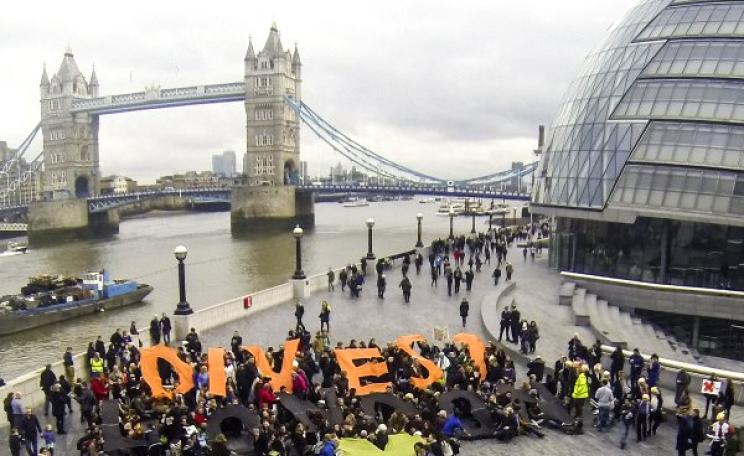
Members of the London Assembly yesterday voted for the London Pension Fund Authority, worth £4.8 billion, to ditch all its fossil fuel investments over a 5-year period. The vote is non-binding, but the huge 15-3 margin puts strong pressure on London Mayor Boris Johnson to follow through.
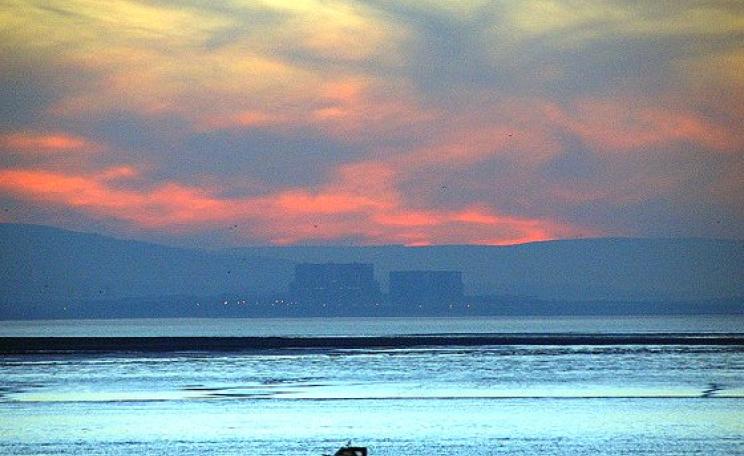
The Hinkley Point C nuclear power plant never made sense, writes Jonathon Porritt, but as legal challenges gather, finance fails to materialize, the cost of renewable energy keeps on falling, and the 'dead duck' EPR design is prepared for burial, even nuclear fanatics are turning against the doomed project.
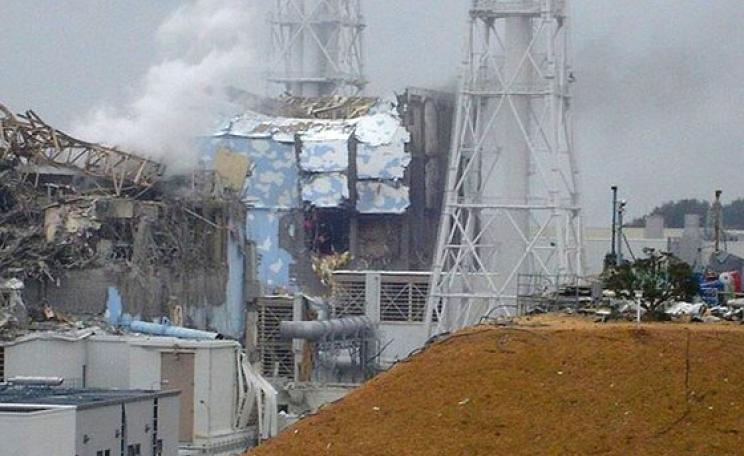
The Fukushima catastrophe four years ago today was no natural disaster, writes Arnie Gundersen. Operator TEPCO and nuclear regulators were well aware of the danger of tsunamis, but put money before safety. Nuclear power remains the only energy source that can destroy a country overnight - and it's time to ditch it!
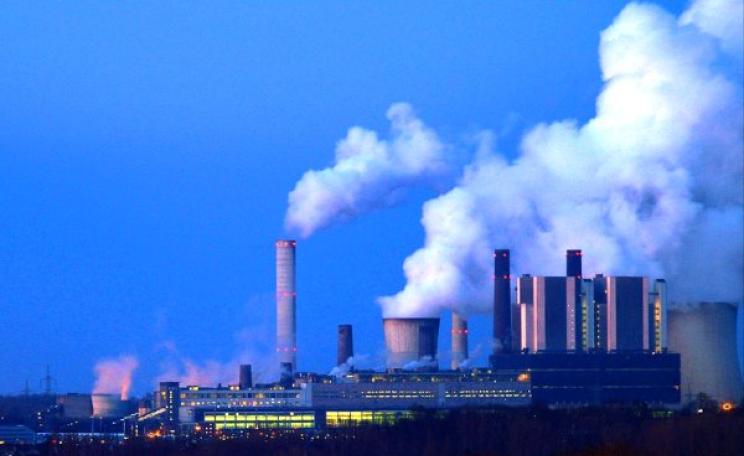
Coal is Europe's biggest source of mercury and sulphur pollution, writes Kyla Mandel, killing tens of thousands of people a year. So how come more than half the members appointed by EU governments to set air pollution standards for coal plants are industry representatives?
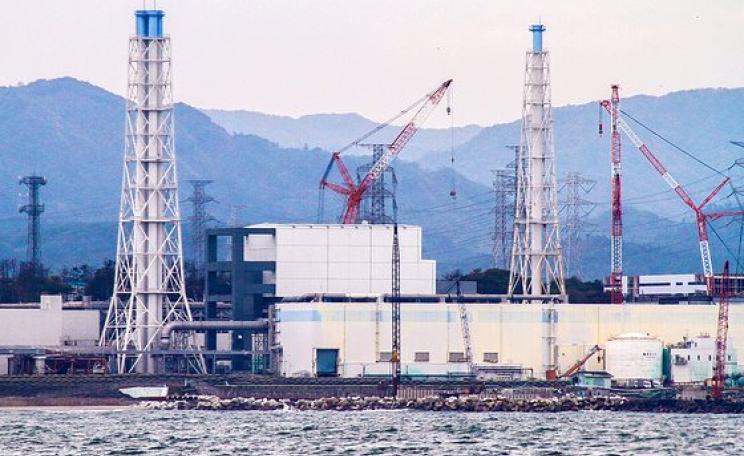
Four years ago today the world's biggest nuclear disaster since Chernobyl took place at Fukushima, Japan. Total clean-up costs are estimated around $0.5 trillion, writes Jim Green - but work to defuse the dangers has barely begun, the site is flooded with radioactive water making its way to the sea, and underpaid and illegally contracted workers are suffering a rising toll of death and injury.
Naomi Klein famously called for a 'grand coalition' of the progressive left to fight climate change and Earth-destroying capitalism, writes Alexander Reid Ross. And now it's happening, drawing together diverse strands that encompass the fight for social and racial justice, the right to work, health, clean air and fresh water, and our freedom to be alive and thrive on this our one planet.
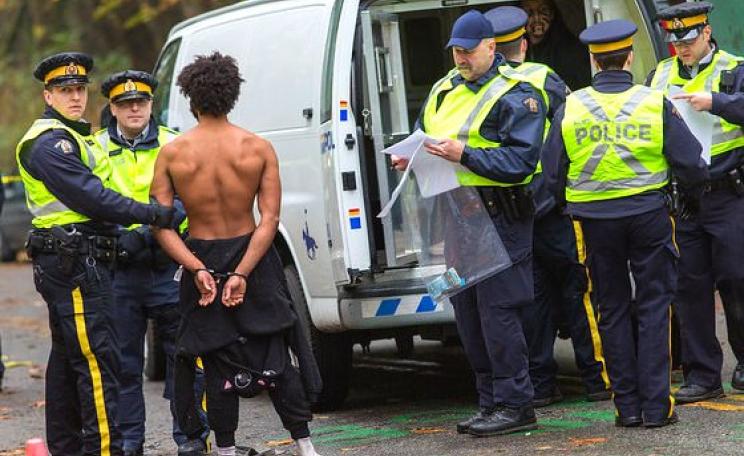
Canada's 'Anti-Terrorism Bill' proposes a massive increase in the power of security services, writes Pete Dolack - and in the crosshairs are campaigners against a tar sands industry that's intent on releasing 240 billion tonnes of CO2 into the atmosphere, and those fighting the pipelines needed to get the heavy crude to market. Who are the real 'extremists'?
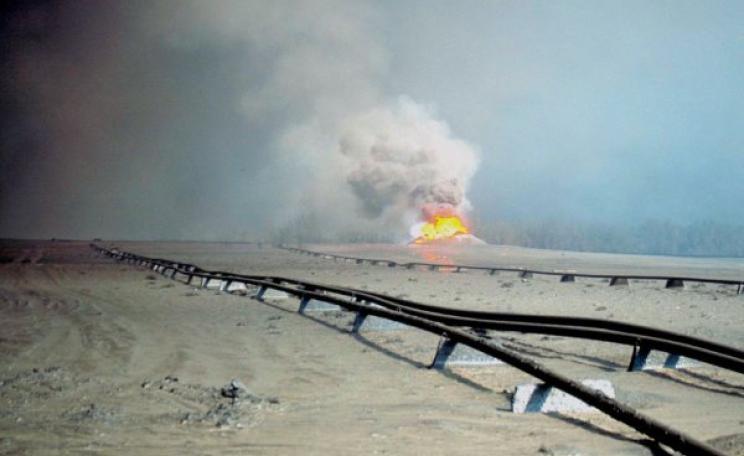
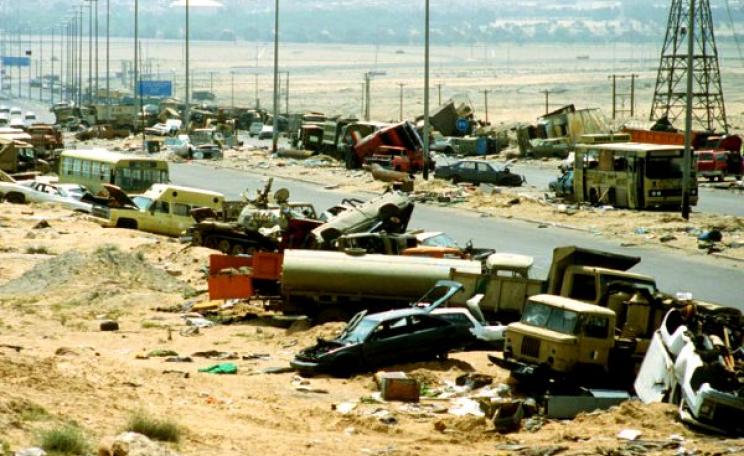
Look beneath the surface of the wars in Iraq, Syria, Afghanistan, Libya, Ukraine, and what do you find? Oil, gas, and contested pipeline transit routes. Never mind high-sounding talk of human rights, national sovereignty, international law and UN Resolutions, writes John Foster - fossil energy is the world's main driver of armed conflict.
A wide-ranging academic study of civil wars in 69 countries from 1945 to 1999 finds that the likelihood of outside intervention increases when the country at war has large reserves of oil, and a potential intervener needs to secure oil imports on favourable terms to meet domestic demand.