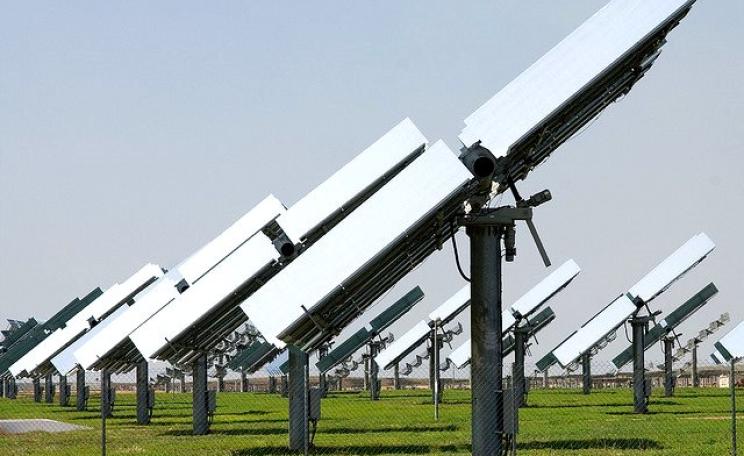
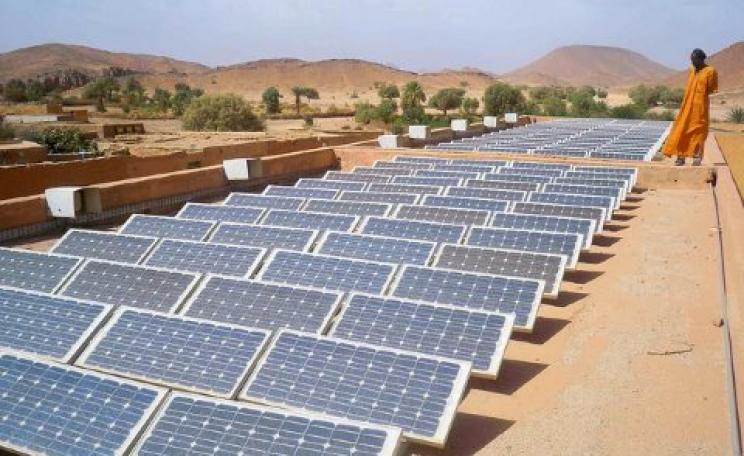
Launched at Davos this week, a WEF report on electricity generation predicts that solar power will cost twice as much in 2030, as the lowest cost sources today, writes Chris Goodall. It's sources? WEF isn't telling. But if 'facts' like these are driving the decisions of big energy CEOs, heaven help their companies in years to come.
Austria will launch its legal challenge against the UK's massive support package for the planned 3.2GW Hinkley Point C nuclear power station by April, writes Arthur Nelsen. The move will add years of delay to the controversial project, and may well finish it off altogether as fears over the troubled EPR reactor design grow, and renewables continue to fall in cost.
Germany cut emissions and boosted renewables to record levels last year, writes Henner Weithöner. Yet the country's coal burn remains the EU's highest - and ambitious emissions targets can only be met by closing coal-burning power stations.
A legal challenge has been launched against what would be Australia's biggest coal mine, writes Samantha Hepburn. If it succeeds, all future coal mine assessments will have to include the impacts of the resulting CO2 emissions on Australia's most important nature sites, such as the Great Barrier Reef.
UK politicians and officials are studiously ignoring the growing evidence that fracking is an economic and environmental disaster, writes Paul Mobbs. As the circle of 'acceptable' view spins ever smaller, industry PR is dominating a phoney debate that's increasingly remote from reality, public opinion and core democratic principles.
From Australia to the UK, governments are pinning their hopes on 'carbon capture' technology stuck onto coal power stations, writes John Quiggin. But their choice carries a high risk of failure - the smart money is on renewables, energy storage and responsive power grids.
The Information Tribunal has ordered Tate, the charity which runs two of London's biggest art galleries, to release details of financial support from the oil company BP, writes Richard Heasman - and they have until 27th January to comply.
With a million families struggling to stay warm this winter, energy bills will be a hot election issue, writes Doug Parr. But Government actions have repeatedly favoured the 'big six' energy incumbents at the expense of consumers, competition, low-cost renewables and energy efficiency, locking us into high bills for years to come.
The global economic shake-down of low oil prices continues apace, writes Alexander Reid Ross, causing environmentalists to celebrate the collapse of dirty energy projects. But the oil price collapse is the manifestation of a multi-layered conflict being fought out on the political, military and ideological battlefields of the Middle East - and it may not last much longer.
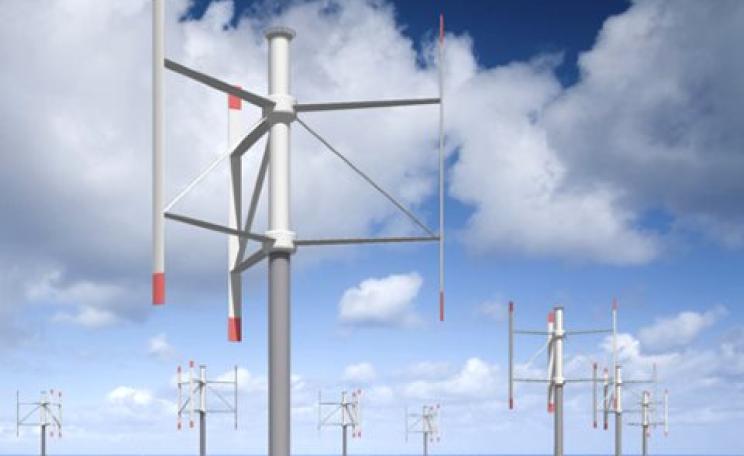
Offshore wind turbines are trying to reproduce at sea what works on land, write Maurizio Collu & Michael Borg. But it's proving a costly and high maintenance exercise. It's time to switch to new 'vertical axis' designs that promise to be cheaper to build and operate.
Lord Ridley, a card-carrying member of Britain's 1%, led the Northern Rock bank to collapse. Now he's causing another kind of catastrophe: the coal mined off his Northumberland estate is causing 1% of the UK's CO2 emissions. No wonder he's a climate sceptic!
For the world's multinational corporations, the climate crisis is just another business opportunity, writes Philippa de Boissière. One example is Enel-Endesa's 'climate friendly' 217m high El Quimbo dam in Colombia - a huge exercise in expropriation at taxpayer expense, backed by police violence against strong local resistance.
With 80% of the world's fossil fuel reserves 'unburnable' if the world is to meet its climate targets, writes Melanie Mattauch, the divestment movement is moving from strength to strength. As investor confidence in fossil energy ebbs away, 2015 is where the endgame for a dying industry begins.
The UK's financing of fossil fuels abroad increased tenfold in two years to exceed £1 billion in 2013 / 2014, writes Christine Ottery. Incredibly, the fossil fuel funding increase came after a government promise to use the money to support 'innovative and green technologies'.
Bangladesh's Sundarbans forest, home of incredibly rich biodiversity, is under unprecedented threat, writes ASMG Kibria. The recent oil tanker capsize on the Shela river puts the forest at risk of widespread biodiversity loss, but just this week, the authorities re-opened the Shela river to shipping with no restrictions on hazardous cargoes.