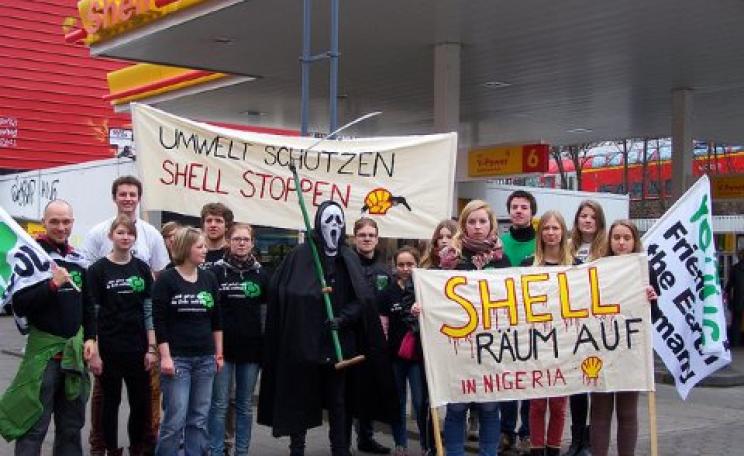
A new wave of ruthless conquistadors has arrived in Peru, write Aldo Orellana Lopez and Philippa de Boissière - global corporations after minerals, oil, gas, timber, land ... And instead of brandishing the Bible and the sword, they proclaim high sounding policies on environment and human rights, while co-opting police and politicians in their pillage of resources.
Recent falls in oil prices give 'greens' cause to rethink arguments about 'peak oil' and get back to why they are really opposed to fossil fuels, writes Dr Steve Melia. Ultimately, it's not the economic evidence that drives government decisions - it's the politics!
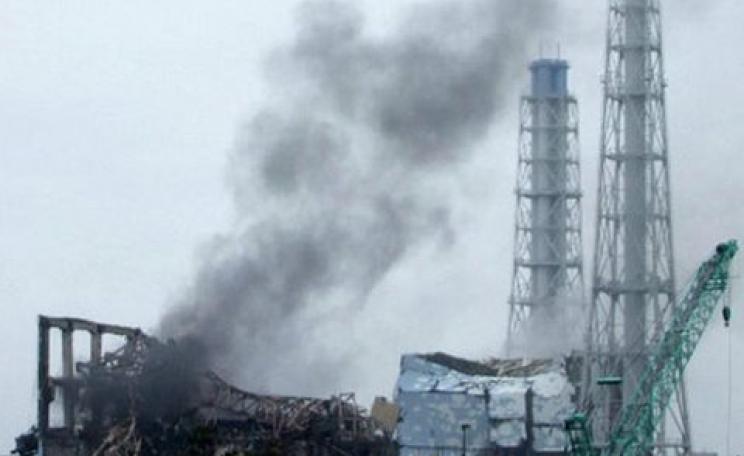
The nuclear industry and its supporters have contrived a variety of narratives to justify and explain away nuclear catastrophes, writes John Downer. None of them actually hold water, yet they serve their purpose - to command political and media heights, and reassure public sentiment on 'safety'. But if it's so safe, why the low limits on nuclear liabilities?
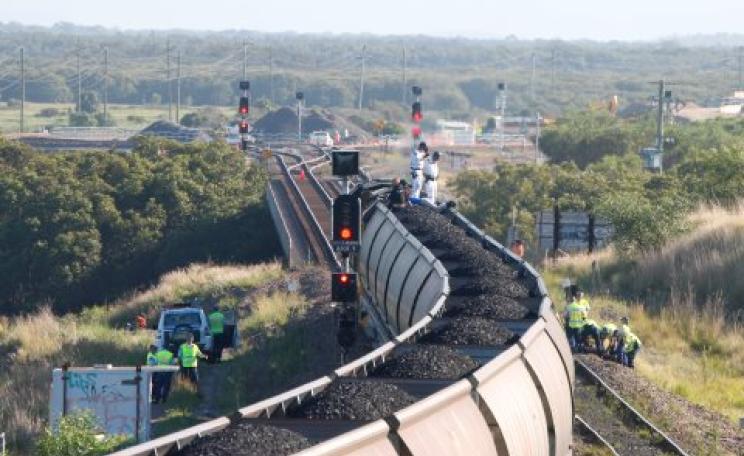
Despite record heat and drought Australia's emissions and coal exports are soaring, says a new report, and both are increasing as a matter of government policy. But a homegrown climate action movement is putting a spanner in the works - and just stopped its first coal train.
As flagship nuclear projects run into long delays and huge cost overruns, solar and wind power are falling in price, writes David Elliott. Renewables already supply twice as much power as nuclear. It's just too bad the nuclear-fixated UK government hasn't noticed.
Nuclear energy is essential to preserve the world's biodiversity, according to 69 conservation scientists. But there's a mysterious omission in their analysis, writes Jim Green: nuclear weapons proliferation. And after a major exchange of nuclear bombs, and the 'nuclear winter' that would follow, exactly how much biodiversity would survive?
A new financial crisis is threatening to dwarf the 'subprime' mortgage debacle, writes Paul Mobbs. Cheap money from central banks has fuelled some $1.3 trillion of risky investments in high-cost 'unconventional' oil and gas. Now, with oil sinking below $60, all that paper is turning to junk - and that's putting the entire economic system at risk.
Privatised energy has failed us, writes Sam Lund-Harket. While energy company chiefs earn millions of pounds a year, one in ten English households live in fuel poverty. But there is another way. All over the world countries and communities are taking energy, water and other essential public services back under democratic control.
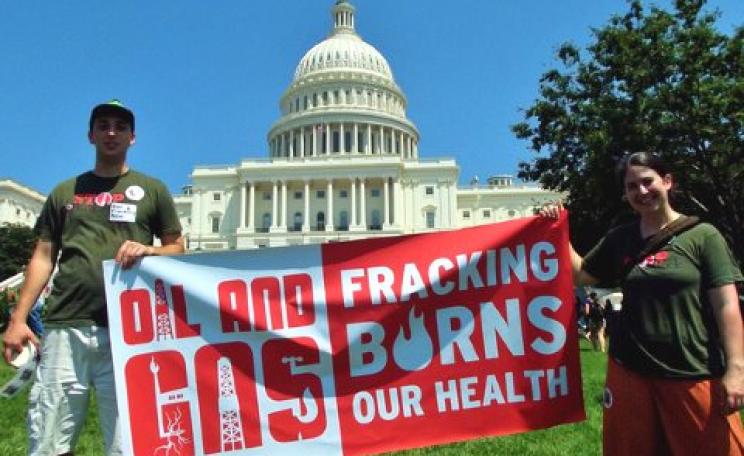
Fracking for oil and gas uses a wide range of chemicals that disrupt reproductive function in both sexes, writes Tamsin Paternoster. Now an academic study has found a powerful correlation between stillbirth, miscarriage, low sperm count, and exposure to fracking chemicals.
COP20 has just laid the foundations for a non-agreement in Paris in 2015, writes Assaad Razzouk - thanks to the pernicious influence of fossil fuels, poisoning debate and subverting serious climate action. Now there's only one earthly power big enough to fight back.
As well as being masters of water engineering, the Romans also engaged in a long distance trade in water across the Mediterranean - embodied in grain, oil, wine, cloth, metals and other goods. They also discovered the food-water-energy nexus - and not in a good way. We need to heed the warnings from Roman history.
Solar power has a sunny future - even without any major breakthroughs, writes Ralph Gottschalg. There are huge gains to be made simply by getting smarter and using existing technologies more effectively. A new report shows that - given political support - solar PV could be competitive in the UK by 2020.
The UK is bidding for a massive €46 billion loan from the European Investment Bank to finance the construction of three new nuclear power stations at Hinkley Point, Wylfa and Moorside - while Poland is seeking €8bn for huge new coal mines and power plants and €12bn for new nuclear.
The world is in the grip of a 'fracking frenzy that threatens us for centuries to come with polluted aquifers, runaway climate change, destruction of biodiversity and worthless 'sub-prime' investments. Just as the world must make the transition to a sustainable future, our 'leaders' are determined to make this last losing throw of the fossil fuel dice.
It's the fossil fuel industry's latest stroke of genius - a coal substitute that's cheaper, dirtier and more toxic than coal itself, writes Ben Whitford. The waste product of refining heavy oil from Canada's tar sands, petcoke is stored in open mountains around Chicago's 'Slag Valley', sending plumes of sticky black dust over poor neighborhoods every time the wind blows.