China has just recorded its first fall in emissions from burning fossil fuels in 15 years, writes Lauri Myllyvirta. The sharp decline has surprised analysts, and reflects the fast growing proportion of renewables in the country's power supply.
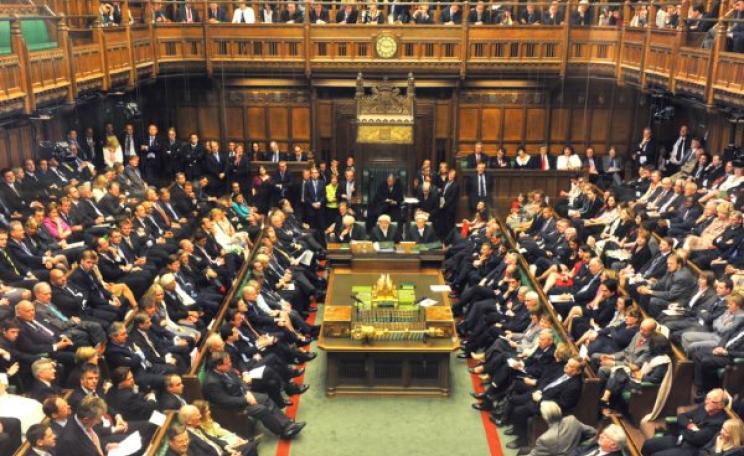
The rushed passage of the Infrastructure Bill with all its pro-fracking provisions and toothless 'safeguards' is an abuse of democracy. And as it's manifestly against the national and public interest, it's also in breach of both MPs' and Lords' legally binding Codes of Conduct. Now Jojo Mehta intends to hold them to account - in Court.
As the UK's nuclear dream fades, writes Chris Goodall, investors are turning to the possibilities of 'Concentrating Solar Power' in the Sahara connected to Europe by HVDC power lines. The cost would be much lower than nuclear or offshore wind, and provide reliable baseload capacity. With the UK government's say so, Tunisian sunshine could soon be powering our grid.
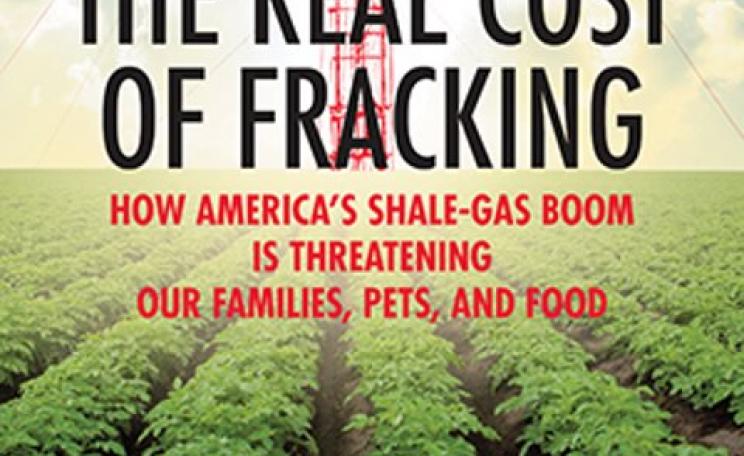
America's shale gas boom threatens families, pets, and food, writes Allison Wilson. Fresh from her reading of 'The Real Costs of Fracking', she finds a host of adverse health impacts on those living near fracking sites, the toxic pollution of the food chain, and a wall of corporate and official secrecy.
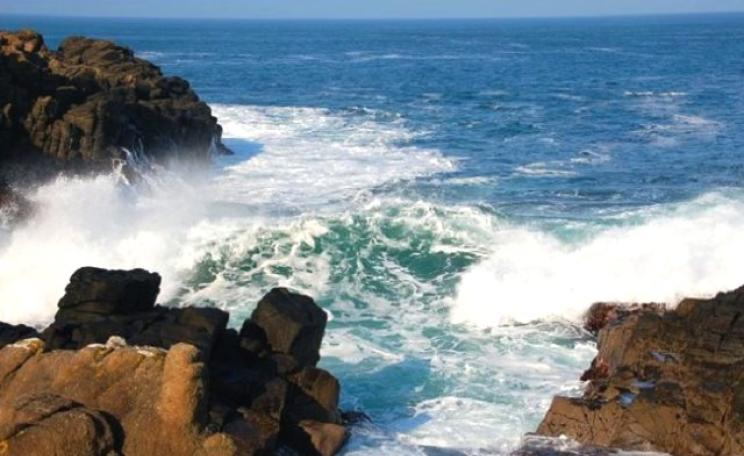
Scandinavian inventors are hoping that efficient new waves power technologies will for the first time make the sector competitive with other renewable energy sources, writes Paul Brown - opening up a massive new clean energy resource around the world.
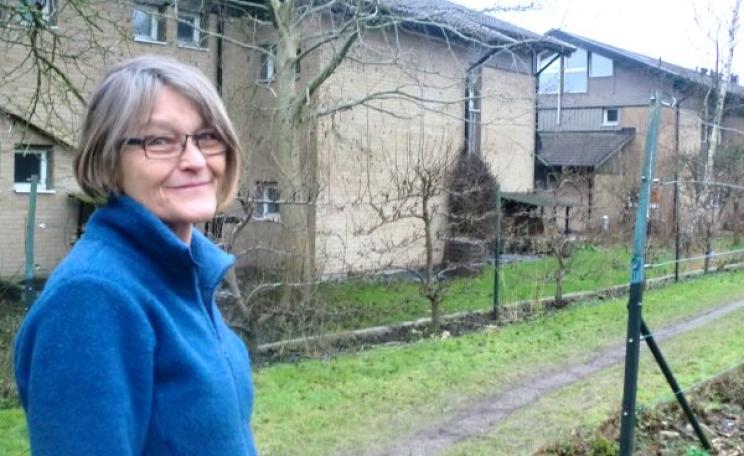
Solbyn, a sustainable community in southern Sweden, is a cold place to spend the winter, writes Gillian Thomas. But for all the snow outside, the well-insulated homes stay warm in the harshest conditions - and the welcome is warmer still. Come summer, there's an organic farm to nurture, but February is a month for friendship, making plans, and brilliant starry nights.
Montana legislators have brushed off the attempts of farmers, ranchers and landowners to effect 'zoning' regulations to protect them, their land, their water and their livestock from the toxic impacts of fracking. Now they say: 'See you in Court!'.
India's renewable power capacity is set to reach 170GW by 2022, write Areeba Hamid & Oliver Tickell - reducing power shortages and bringing electricity to off-grid of rural communities for the first time. But it may also have an unintended consequence - cutting off investment in India's troubled coal sector as prospects for future profitability evaporate..
A powerful call has gone out the the US Export-Import Bank not to finance a massive coal mine, railway, port terminal and dredged 'canal' through Australia's Great Barrier Reef with $1 billion in loans and guarantees.
The failure of the UK's privatized electricity oligopoly - expensive, uncompetitive and slow to adopt renewable technologies - is being repeated across the global south, writes Christine Haigh: over £100 million of UK 'aid' is supporting energy privatization in the very countries that can least afford it.
The oil and gas industry has admitted that its canals and drilling rigs have destroyed 1,900 square miles of coastal wetlands on the US Gulf Coast, but a Federal Judge with deep industry ties has ruled that 97 companies off have no liability for the $50 billion damage.
While mainstream media promulgate a fictitious message of Russian threats in the Baltic, Vladimir Putin's next big play lies far to the south, writes Oliver Tickell. The gross intransigence of the EU, the IMF, the European Central Bank and Germany are forcing Greece into a powerful new economic and energy alliance with Russia that will reshape Europe - and for the better.
The discovery of over 16,000 cracks in two Belgian reactor vessels may have global implications for nuclear safety, says the country's nuclear safety chief. He and independent experts are calling for the immediate checks of nuclear reactor vessels worldwide.
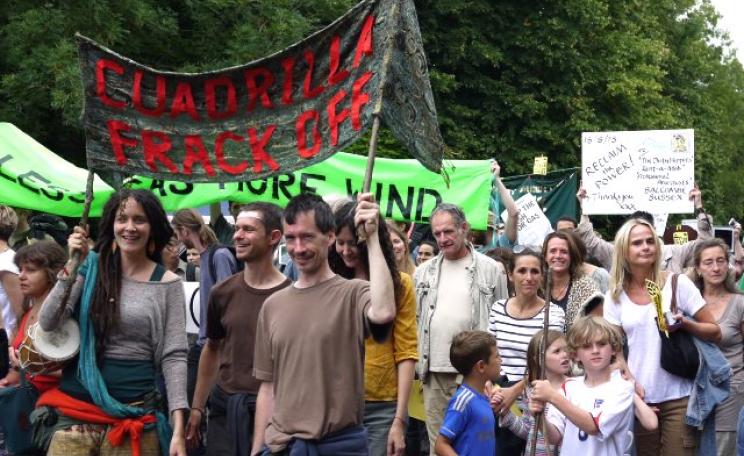
The UK fracking company Cuadrilla has collapsed in value as a result of falling oil and gas prices, popular protests and growing political opposition, writes Brendan Montague. Now investors are having to write off hundreds of millions they sunk into the industry.
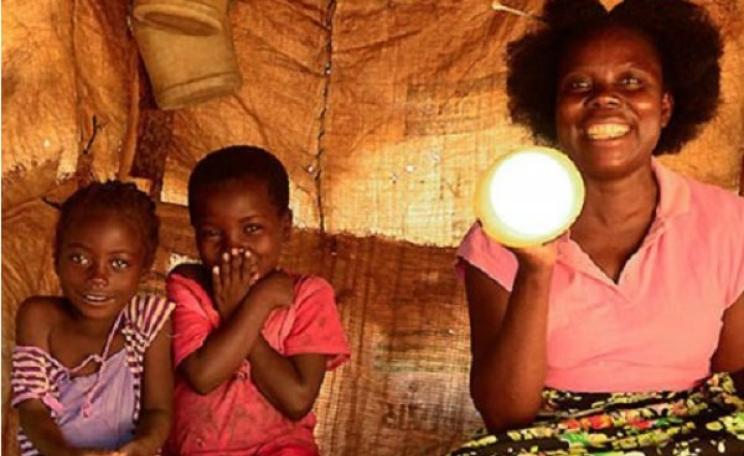
The charity SolarAid has just celebrated 1.5 million small solar lighting installations in Africa, writes Paul Brown - an important milestone on its mission to get solar lighting into all of Africa's homes by 2020, and see out dangerous, polluting kerosene lamps.