For the world to meet its climate goals, a third of the world's oil, half its gas and 80% of its coal must stay underground, writes Alex Kirby. And it's not us saying it - but scientists writing in the journal Nature.
Low oil prices are putting a stop to some of the world's most environmentally damaging 'extreme energy' projects, writes Paul Mobbs, and may close down the entire fracking and tar sands industries. So why are so many 'Greens' issuing dire warnings, instead of celebrating the good news?
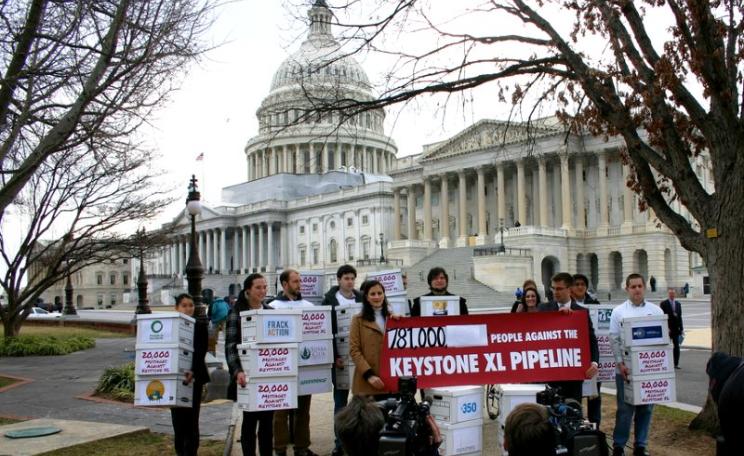
The US government is being sued for $15 billion for its cancellation of the Keystone XL tar sands pipeline last year in order to combat climate change. The legal challenge under NAFTA sends a warning to all countries contemplating similar 'free trade' agreements.
A massive oil spill in the oil-rich Niger Delta in 2008 has caused years of environmental and economic devastation. But only after legal action in London has Shell been forced to reveal the truth, admit liability, pay compensation, and begin the clean-up.
Increased production from US fracking operations is a major reason for the drop in oil prices, writes Kieran Cooke. But there are warnings that the industry now faces an existential crisis from which it may never recover, as the financial sector faces the prospect of worthless shares and $100s of billions of defaulted debt.
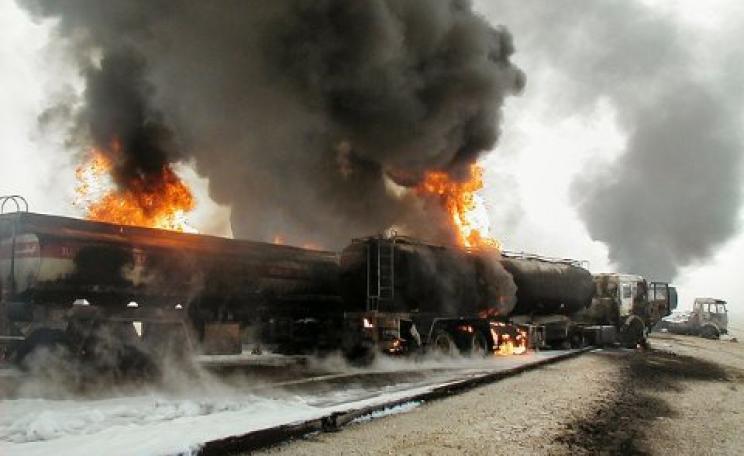
More than 25 million Americans live within an 'oil train blast zone', writes Ralph Nader. But as volumes of tar sands and shale oil carried by train soar, the oil cars identified as a 'substantial danger to life, property, and the environment' in 1991 remain in use. We must ban those dangerous railcars - and put an end to all 'extreme oil'.
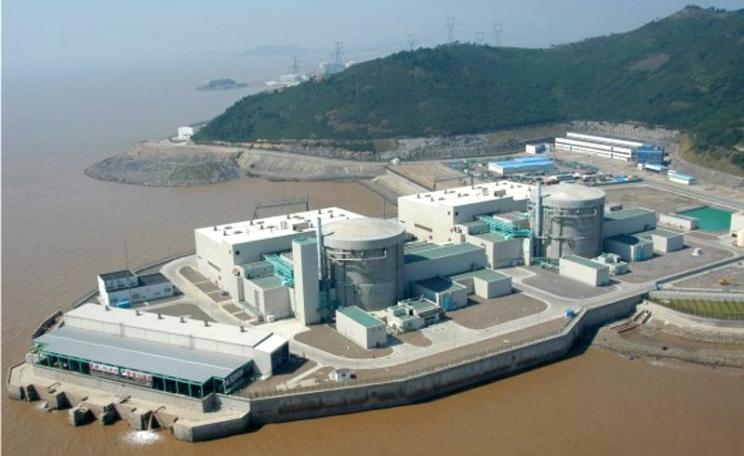
Nuclear advocates take hope from China's plan for 58GW of new nuclear capacity, writes Zhang Chun. But nuclear's share of China's power supply is in long term decline, and the target is likely to be missed as faster, cheaper, nimbler renewables surge ahead.
Beijing has called a halt to new coal mines and will close hundreds of existing operations, writes Kieran Cooke. The move reflects the slowing economy, falling energy demand, concerns over air pollution and climate change, and the massive rollout of renewables.
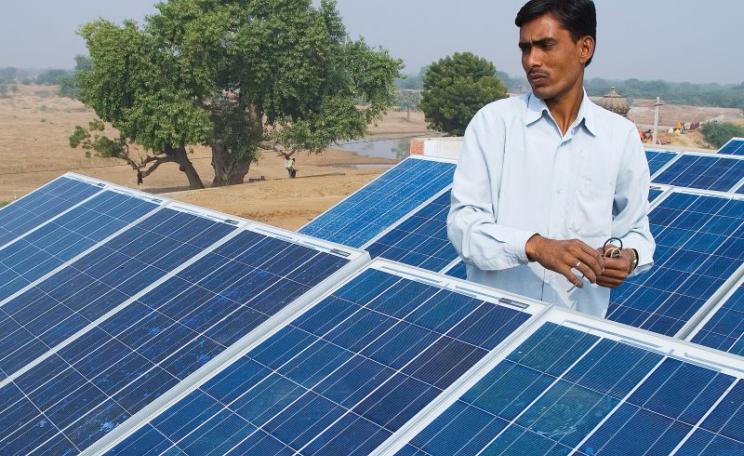
A KPMG study shows that the cost of solar power in India, revealed by public auctions, is barely half a cent above that of cheap local coal , writes Chris Goodall, with generators bids falling well below 5p (UK) / 7¢ (US) per kWh. The idea put about at COP21 that India and other poor but sunny countries need coal to develop their economies is fast running out of steam.
The government appears as determined as ever to push ahead with fracking as a central plank of its energy policy, writes Richard Heasman - ignoring growing evidence of health and environmental harm. But with the economics of fracking undermined by heavy energy price falls, the UK industry may never get off the ground.
Charlatans, or planetary saviours? Post-Paris views on the nuclear industry suggest few experts believe it will bring closer a world rid of fossil fuels, writes Paul Brown. Despite the best efforts of nuclear lobbyists, no revival is due any time soon.
Higher oil production and falling demand are creating big problems for the fossil fuel industry, writes Kieran Cooke. Risk-averse investors, spooked by drastic oil price falls, are turning away from the sector in search of more secure returns.
The UK government celebrated Christmas by donning Santa suits and throwing a £1 billion subsidy down the fuming smoke stacks of the UK's biggest power companies, writes Alan Simpson - a massive payment at the expense of UK energy users, for doing what they should be doing anyway. Have a Brave New Year!
Governments are still spending billions on nuclear research, writes Paul Brown - but 2015 looks like being an unhappy year for the industry as it continues to shrink while renewables grow, amid massive delays and cost over-runs.
Long-disused oil and gas wells in the US have been found to be a 'significant' source of the super greenhouse gas methane, writes Richard Heasman. The climate impact of oil and gas is underestimated, as this long term impact is not included in existing calculations.