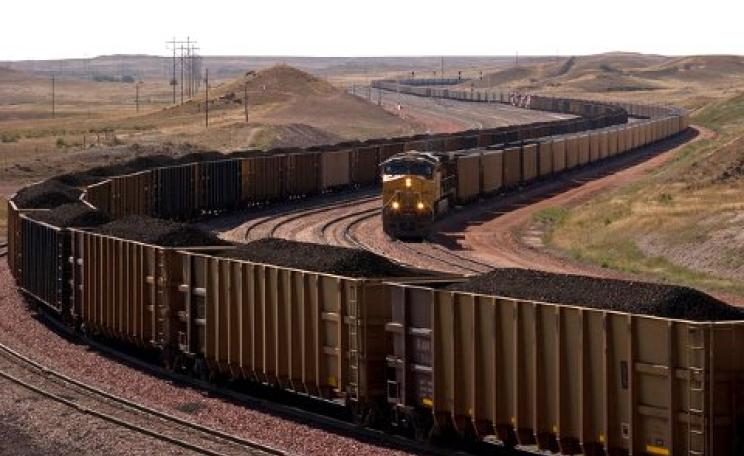
Coal leases on public lands operated by the US Bureau of Land Management are responsible for 40% of US coal production and 14% of total US CO2 emissions, writes Mike Gaworecki - yet their environmental impacts have not been reviewed in 35 years.
Peru's government is actively undermining indigenous peoples' efforts to protect their forests - by refusing to title 20 million hectares of their lands and turning a blind eye to illegal logging. At the same time it's handing out vast concessions for oil, gas, mining and timber exploitation, expanding palm oil production and planning 50 major forest-flooding dams.
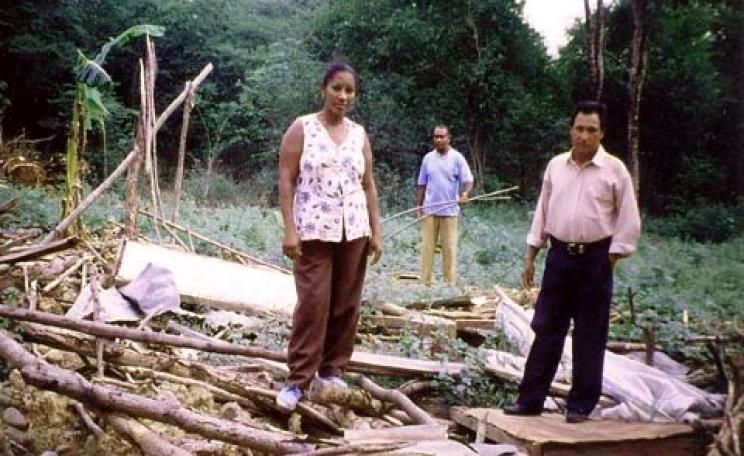
Peru - host of the COP20 UN climate conference now under way in Lima - is facing rebellion by a 3,500 strong indigenous people deep in the Amazon committed to fighting oil exploration in their forest territory, writes David Hill, following the government's failure to consult Matsés communities or respect their rights.
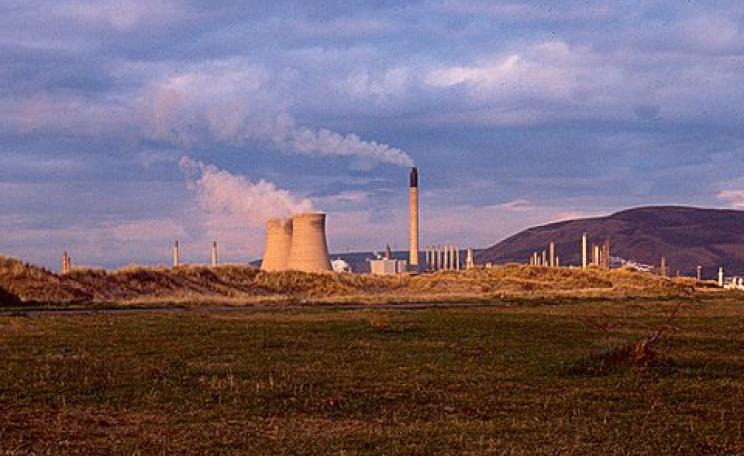
East Liverpool, a small city by the Ohio river, is a cancer-ridden dumping ground for the detritus of the global economy, writes Caitlin Johnson. With its filthy power station, coal ash lake, 1,300 fracking wells, silica sand mountains and a huge toxic waste incinerator, the city's people need your help in their fight for environmental justice.
Are recent oil prices slumps caused by OPEC ganging up against tar sand and other high-cost producers? Or a sinister conspiracy to destabilise the Russian economy? Far from it, argue Jemma Green, Mark Andrich and Peter Newman - it's the simple result of an excess of supply over demand. And the low prices will be with us for some time to come.
The UK Government plans to lock consumers into a 2.5bn a year, 15-year spend to support peak-time fossil power generation - while undermining energy demand savings capable of achieving the same purpose more cleanly and cheaply. But today the 'unlawful' system has been hit by an ECJ lawsuit.
Las Casitas is a small community living on the edge of one of the world's largest coal mines, writes Richard Solly - one inhabited by the descendants of escaped slaves, located in the poorest region of Colombia. The village is under imminent threat of forced displacement by the brutal corporation that runs the Cerrejón coal mine.
With continuing Coalition in-fighting over the troubled 'zero carbon homes' programme, writes Alex Stevenson, a plan is afoot to allow homes on smaller developments to meet a less demanding energy performance standard - but still carry the 'zero-carbon' label. Critics denounce the plan as 'nonsensical'.
Australia is betting the farm on huge increases in coal exports, writes Stephen Bygrave - just as key markets in China, India, Korea and Japan are drying up, with rising tariffs and huge renewable energy and efficiency programs. The policy is totally out of touch with reality - and will lead to revenue shortfalls in the AU$100 billions.
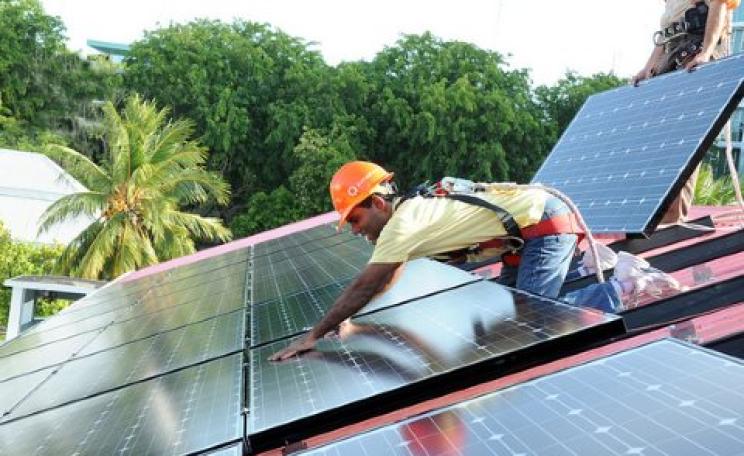
Small scale renewables are - almost un-noticed by policy makers - providing a quarter of the world's electricity, up from 10% in 2000, writes Morgan Saletta. Forget fracking and nuclear - this is the real energy revolution that's under way, and it's cutting big fossil fuel and centralised power grids out of the picture, while reducing emissions and delivering energy security and resilience.
The EPA's plan for 'clean power' are welcome, writes Tim Judson - except for its inclusion of nuclear, and economic distortions and serious omissions that favour the technology. In this open letter to EPA Administrator Gina McCarthy, he and co-signatories call on her to ditch the 'false and irrational assumptions' used to justify both new and existing nuclear power.
The exploitation of Canada's tar sands is more than just an environmental catastrophe, writes Gregory McGann. It's also an turning into an economic disaster, with massive investments at risk as falling oil prices leave the tar sands stranded.
A new report shows that the UK's farms can easily generate as much power as the proposed Hinkley C nuclear plant, writes Jonathan Porritt. Not only would it all be renewable, but if could all be in place by 2020. Here he offers some friendly - but strictly confidential - advice for Energy Secretary Ed Davey.
Doubts are growing doubts that the Hinkley C nuclear power station, the EU's biggest construction project, will get the final go-ahead from the UK government, writes Paul Brown. And that's leaving the European nuclear industry, already in serious financial difficulties, facing a struggle for survival.
The president of the World Bank has promised to back out of financing coal developments, and instead target its finance at 'every dimension of renewable energy' under a new climate-friendly strategy.