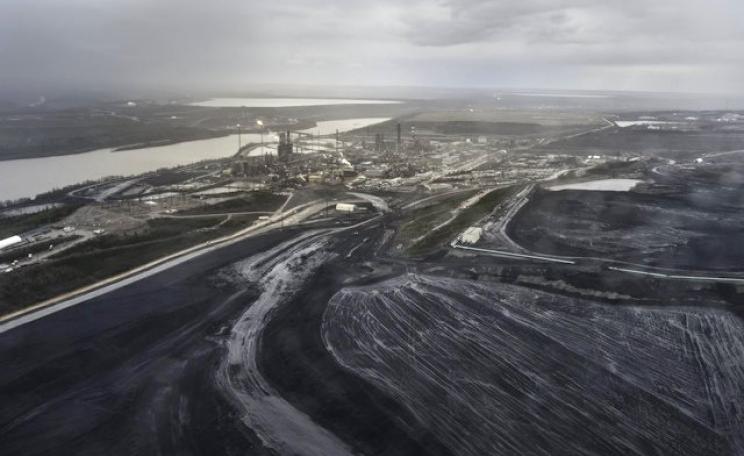
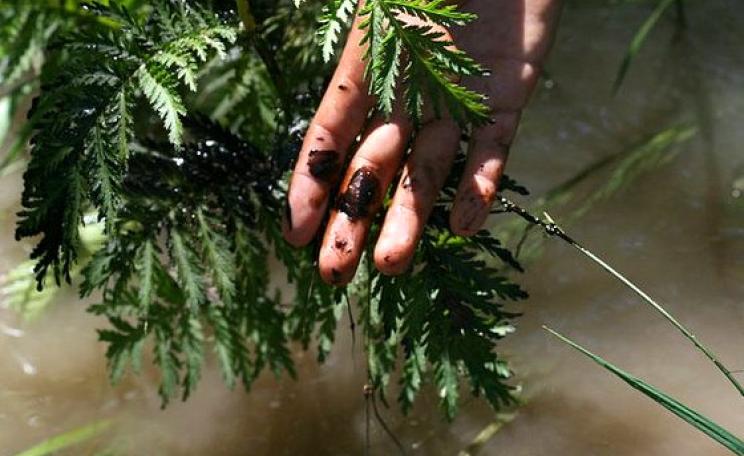
A month-long blockade of the Rio Tigre deep in the Peruvian Amazon has secured promises of compensation and cleanup for Peru's Kichwa communities who have suffered 40 years of contaminated waters from oil drilling operations in their remote Amazon region. But until the funds materialize, they are holding firm in their resolve.
Energy 'too cheap to meter? This time it could be true thanks to the fast rising proportion of zero marginal cost renewable power in our electricity system, writes Roger Kemp. But that has profound implications for how we pay for our electricity - indeed the entire electricity market and consumer pricing system must be radically rethought.
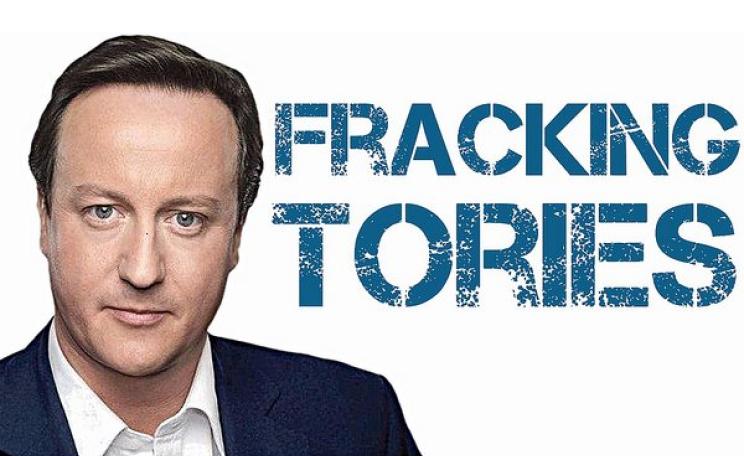
The latest version of the Infrastructure Bill released today has been amended to avoid defining the areas that will be protected from fracking, leaving that to 'regulations' to be pushed through after the general election. So if the Tories win, get ready for fracking everywhere!
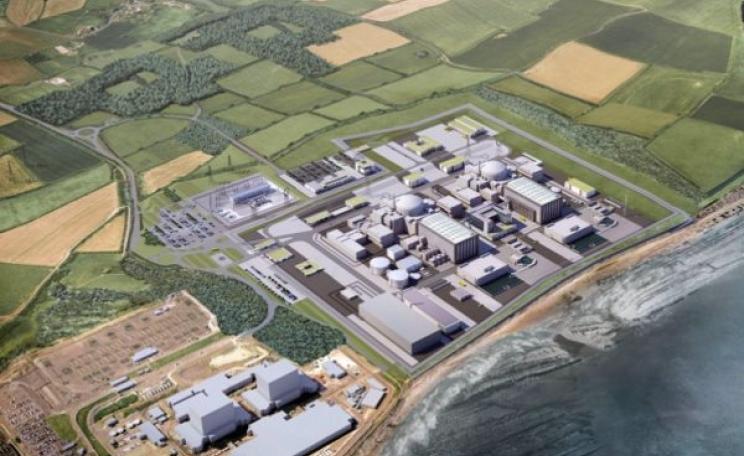
Claims that nuclear power is a 'low carbon' energy source fall apart under scrutiny, writes Keith Barnham. Far from coming in at six grams of CO2 per unit of electricity for Hinkley C, as the Climate Change Committee believes, the true figure is probably well above 50 grams - breaching the CCC's recommended limit for new sources of power generation beyond 2030.
Current oil price volatility is a symptom of the end of cheap oil, writes Nafeez Ahmed, and it's destablising the entire global economy. The answer is a major shift to renewables - but the the International Energy Agency, which should be leading the transition, is in the grip of nuclear and fossil fuel interests. Instead the leadership must come from us, the people!
Faced with climate change, economic doldrums and collapsing oil prices, the government has the perfect opportunity to put Britain on the right track, write Simon Bullock & Tony Bosworth - reduce our dependency on fossil fuels, and invest in renewables and efficiency. So what's it actually doing? The exact opposite.
North America's environment campaigners face a fearsome enemy in the 'Big Club', writes Alexander Reid Ross - the nexus of fossil fuel and infrastructure corporations, government, militarized police, private security contractors, PR agencies, astroturf NGOs and quasi-judicial bodies. But the activists are winning key victories in their battle to halt the industrialization of Cascadia.
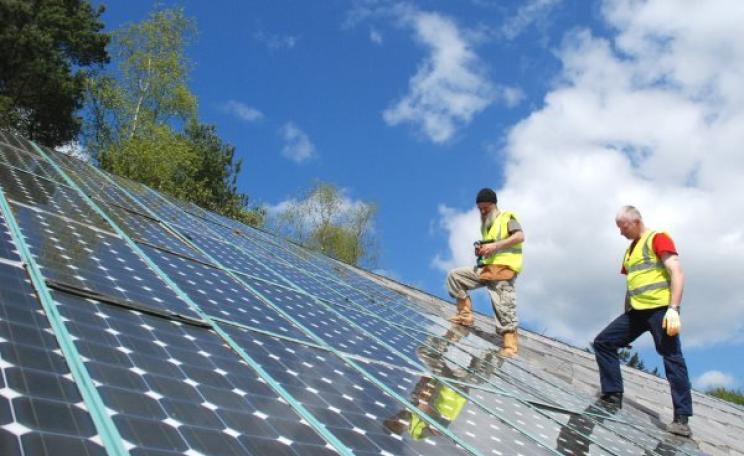
CSP, the 'other' solar power technology, has been largely forgotten as solar PV price falls have transformed energy markets, writes Chris Goodall. But it's set to take a big role in the future energy mix, and huge price falls are coming. Just one question - how to reduce CSP's thirst for water?
In the face of environmental atrocities like the recent spill of crude oil into the Yellowstone River, writes Grant Mincy, quiescence be damned! To stop more of the same, we must reclaim from the corporate-captured state the rights of commons and community to decide on how local resources are used.
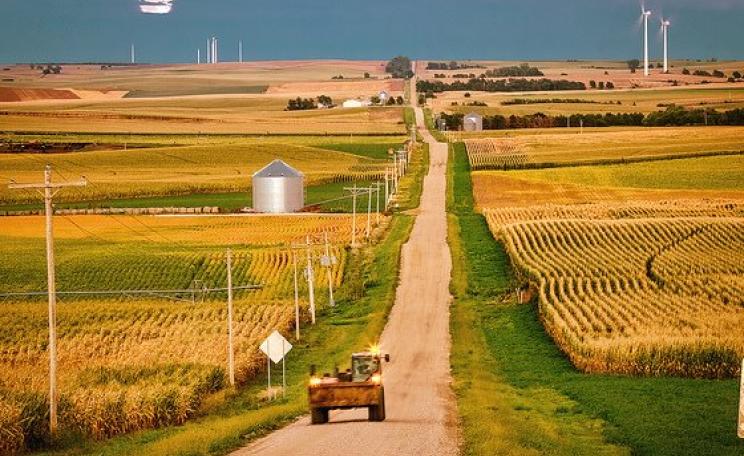
Republican Nebraska's energy is all publicly owned or cooperative, writes Thomas M. Hanna, and prices are among America's lowest, with great service standards and a strong commitment to renewables. Decentralised and locally accountable, this could be the model that replaces inefficient, unresponsive monopolies - both nationalised and corporate.
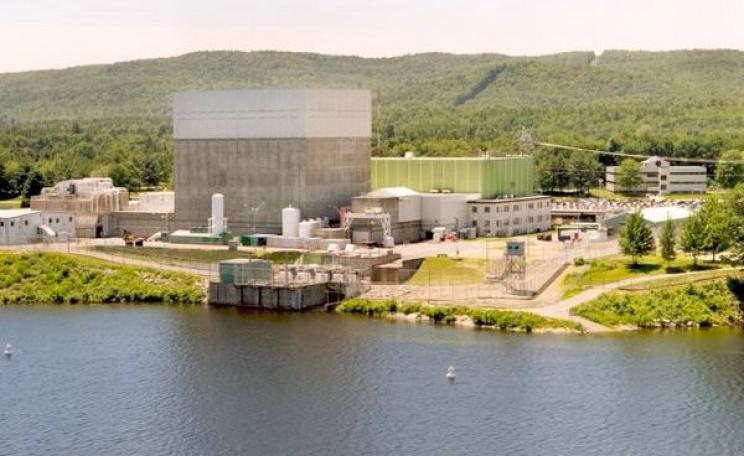
The global rebirth of nuclear power was meant to be well under way by now, writes Jim Green. But in fact, nuclear's share of world power generation is on a steady long term decline, and new reactors are getting ever harder to build, and finance. The only real growth area is decommissioning, but that too has a problem: where's the money to pay for it?
The lesson of fracking in the US and Canada is a simple one, writes Naomi Klein. The fracking industry is vicious, brutal and will stop at nothing to get its way. British anti-frackers can celebrate yesterday's achievements - but the fight ahead will not be an easy one.
Tate, the leading London art gallery owner, has revealed the price of the BP logos that plaster its exhibitions: under 0.5% of its income - but only after a court order forced it to do so.
The Environmental Audit Committee today calls for shale fracking in the UK to be 'put on hold', writes Paul Mobbs. But the EAC is missing an even more dangerous technology that the Infrastructure Bill would support - underground coal gasification.
While the fossil fuel industry and Republican states and senators step up legal and political challenges to Obama's Clean Power Plan, protests have also been flooding in to the EPA's ten regional offices from climate activists - demanding that it cut out dirty biofuels and 'carbon trading' loopholes, and protect vulnerable communities from fossil fuel pollution.