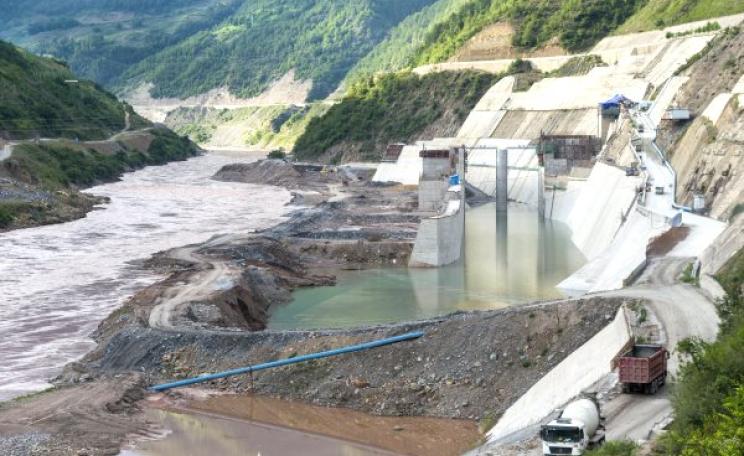
Police in India's Uttar Pradesh state yesterday opened fire on a 'sit in' by tribal protestors at the construction site of the Kanhar dam, now under construction in open contempt of court orders. Tribal leader Akku Kharwar and eight others were seriously injured by the gun fire.
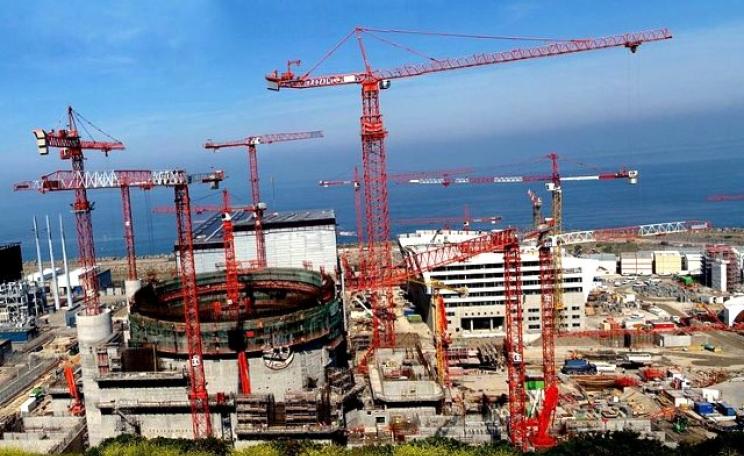
A serious flaw in the steel reactor vessel of a nuclear plant under construction in France raises safety fears for the EPR design, write Paul Brown & Oliver Tickell - and casts a dark shadow over the UK's troubled Hinkley C nuclear project.
When Michael Buckley took a white water rafting trip in Tibet in 2005, he had no idea of the adventure he was embarking on - a ten-year investigation of China ruthless exploitation of Tibet's mineral and hydroelectric resources, and its systematic attack on indigenous Tibetans, their culture and their survival on the land.
Nicola Sturgeon secretly met with pro-fracking firm Ineos on the very same day that Scotland announced its shale gas moratorium, writes Kyla Mandel - giving rise to fears of a under-the-table stitch-up.
Days after Shell received US Government backing for its plans to drill in the Chukchi Sea in the Alaskan Arctic, volunteers from Greenpeace have occupied its 'Polar Pioneer' oil rig in the Pacific Ocean to demand a halt to all Arctic oil exploration.
A deal to give up 500,000 acres of public lands in Utah to the tar sands industry in return for 1.5 million acres of industry is a sacrifice too far, writes Alexander Reid Ross, as it disclaims the wider costs of massive water use and contamination in the headwaters of the Colorado River, already seriously stressed by drought.
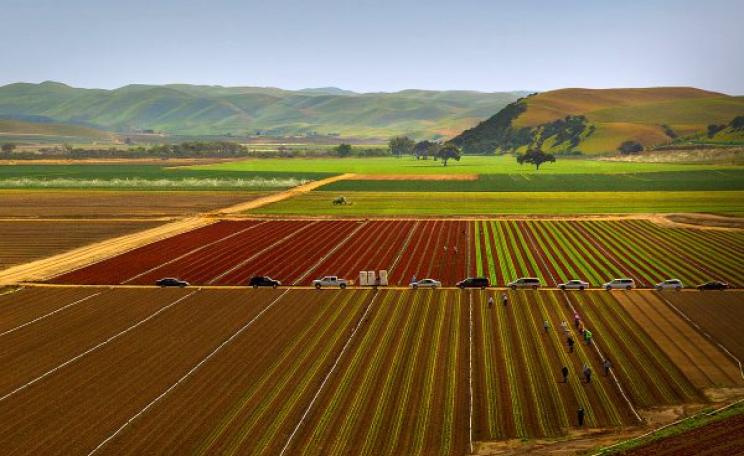
California has responded to the drought by rationing water, with $500 fines for domestic 'water wasters', writes Evan Blake. But agribusiness and water-intensive industries like fracking remain untouched by the restrictions, even though they consume over 90% of the state's water.
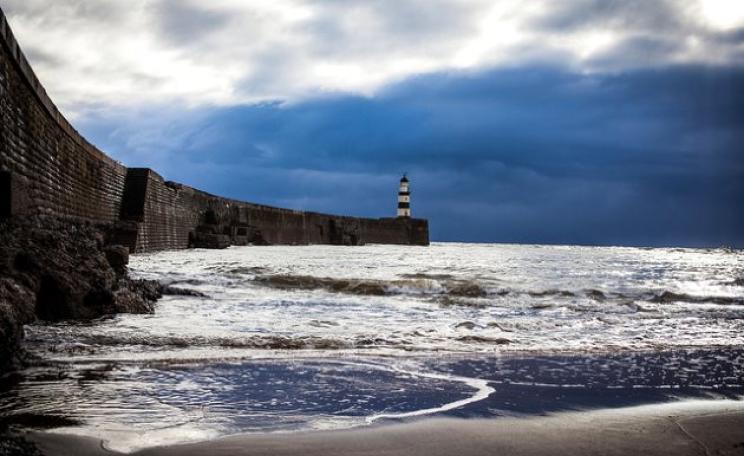
After over a century of coal ash and colliery waste dumping, the Tyne and Wear coastline is no stranger to industrial pollution. But soon a horrific new technology - underground coal gasification (UCG) - will endanger human health and the environment, backed by unflinching Government support and generous lashings of taxpayers' money.
The Guardian Media Group is to divest its £800m fund from fossil fuels over five years. The terms of its promise appeared to leave the door open to natural gas and fracking, But GMG now insists that it aims to ditch all fossil fuels within five years.
Medact, the organization of health professionals for a safer, fairer and better world, has called for a five year moratorium on fracking due to its serious hazards to public health, writes Paul Mobbs. Their new report is a powerful challenge to government policy that cannot be ignored.
Public opposition to nuclear power in Japan remains strong, writes Jim Green, but piece by piece, Shinzo Abe's right-wing government has been putting the country's infamous 'nuclear village' back in control - boosted by draconian press censorship laws, massive interest-free loans, and a determination to forget all the 'lessons' of Fukushima. Is another big accident inevitable?
High ranking academics have issued a stark warning to policy makers on the future of Britain's shale gas - your best bet is that we have none that can be recovered consistent with policy objectives.
Britain's corporate energy oligarchy has failed us, writes Calum McGregor. It's given us widespread fuel poverty, unfair tariffs, constant price hikes, billions siphoned off to shareholders, and chronic under-investment in renewables. Now is the time for a new model: public and co-operative ownership of energy infrastructure under participative democratic control.
Another budget, another missed opportunity: the VAT system charges the full 20% on home upgrades, but 'zero-rates' developers who demolish and rebuild, writes Duncan Baker-Brown. Instead we should target VAT to reward those who meet 'green' criteria for energy efficiency and sustainability. Chancellors in waiting, listen up!
Univerisities' core mission is one of civilization and enlightenment, and that's incompatible with investing in fossil fuels that pose an existential threat to humanity and the planet, writes Cutler J Cleveland. It's is also financially prudent for for them to avoid sinking capital into future 'stranded assets' of unburnable carbon.