Denton's 59-41 vote to ban fracking has got right up the nose of the state's fossil fuel elite, writes Julie Dermansky. The Texas city has already been hit with two lawsuits - but it's going to fight them all the way, with a $4 million legal fund ready and waiting.
America's expanding oil production threatens the pristine Pacific Northwest region of the country with a rash of new oil terminals along the coast, writes Valerie Brown, and hugely expanded traffic of freight trains loaded with hundreds of cars of crude oil heading for California refineries.
This is an exciting time for community energy, writes Julia Groves. New guidance will make it easier for local people to invest in local renewable power projects, while other opportunities are opening up for risk averse investors. And the more of us join in, the sooner we can displace the Big Six who dominate UK energy markets.
The IPCC's most important ever assessment of global warming warns that the world must cut its carbon emissions must be cut sharply and soon, writes Damian Carrington - and the cost is affordable. But in fact, emissions are rising at record levels, and the IPCC's strong support for unproven-at-scale CCS technology will leave many mystified.
The National Grid's forecast for UK power supply this winter relies on overstating the availability of increasingly unreliable nuclear power stations, writes Chris Goodall. Realistic estimates of nuclear, gas and coal power station availability shrink the 'safety margin' to zero.
Extreme energy in the UK is arousing extreme reactions, write Jess Elliot & Damien Short. On the one side stand citizens committed to preserving the quality of the local and global environment. And against them, a government determined to let fracking rip, and police forces prepared to ignore legal norms to suppress the growing popular resistance.
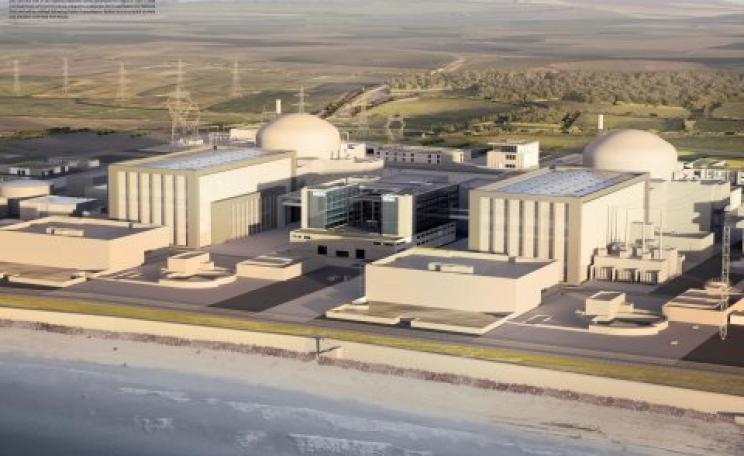
Opponents of nuclear power hold up the planned Hinkley C as an examplar of waste and idiocy that could cost the UK over £30 billion in subsidies. Chris Goodall agrees - and fears that an impending fiasco with the 'unconstructable' and commercially disastrous EPR design may kill off the UK's nuclear aspirations for a generation.
Just as the UK Government is stirring up public anger against human rights, writes Anna Grear, its fast-track development of shale gas and oil shows that we need these legal protections more than ever. A new report shows how the 'dash to frack' is endangering our most cherished rights - to health, water, security and life.
Keith Barnham's new book reveals the giddying and glorious plethora of the solar technologies that lie at the heart of the all-renewable energy system that awaits us, writes Jonathan Porritt - making it 'one of the most exciting and genuinely hopeful books' that I've read in a long time'.
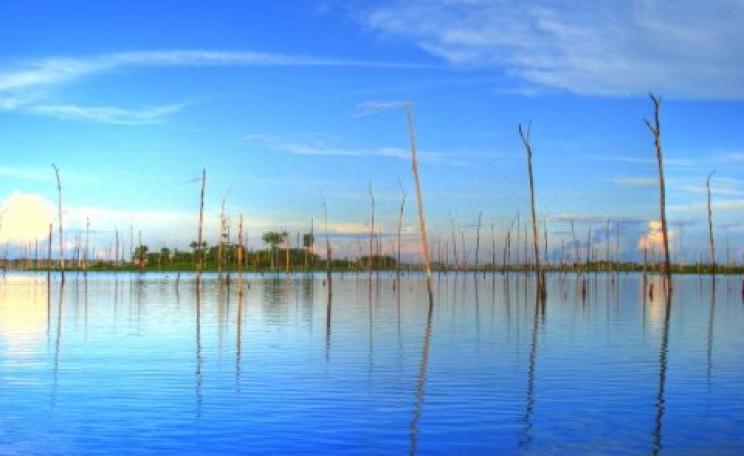
Brazil's newly elected Dilma Rousseff is committed to completing the disastrous Belo Monte dam, writes Helle Abelvik-Lawson. Worse, she looks certain to press ahead with the industrialisation of the Amazon, with 61 hydroprojects in the pipeline. And new scientific findings about the massive climate impacts of tropical forest dams are not about to stop her.
Dilapidated nuclear waste storage ponds abandoned 40 years ago containing hundreds of tonnes of fuel rods pose an immediate danger to public safety, photographs sent to The Ecologist reveal. The fuel and sludge in the ponds could spontaneously ignite if exposed to air, spreading intense radiation over a wide area.
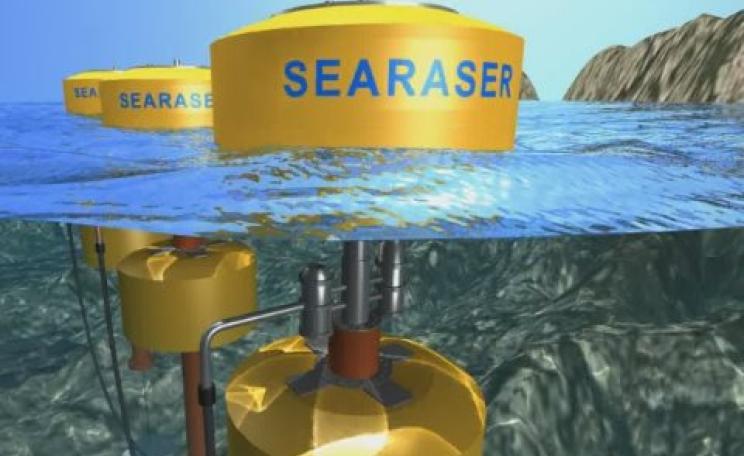
A new wave power generator has moved closer to reality after successful testing in simulated marine conditions. An array of the 1.5MW 'Searaser' devices could be deployed on Britain's coast within a few years.
Left wing governments across the Americas are faced with a dilemma, writes Daniel Macmillen - high social spending programs financed by income from destructive mining and hydrocarbon extraction - or a slower but sustainable development path that puts ecology, equity and justice first. Their answer - a constant pushing back of the resource frontier.
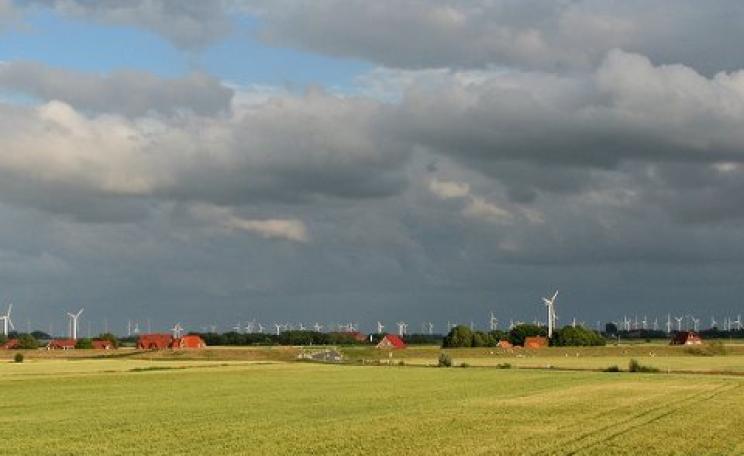
Germany's transition to a renewable power system is on track, writes Gert Brunekreeft. But it's costing households €218 a year in surcharges, causing voter enthusiasm to wane. That may be about to change though. The surcharge is about to fall, while targets stay the same - a sign that renewable energy costs may be falling faster than expected.
The oil and gas industry is disrupting communities and damaging ecosystems worldwide, writes David Poritz. Tough, independent social and environmental standards for the industry can bring urgently-needed improvements to company practices - even where government regulation has failed.