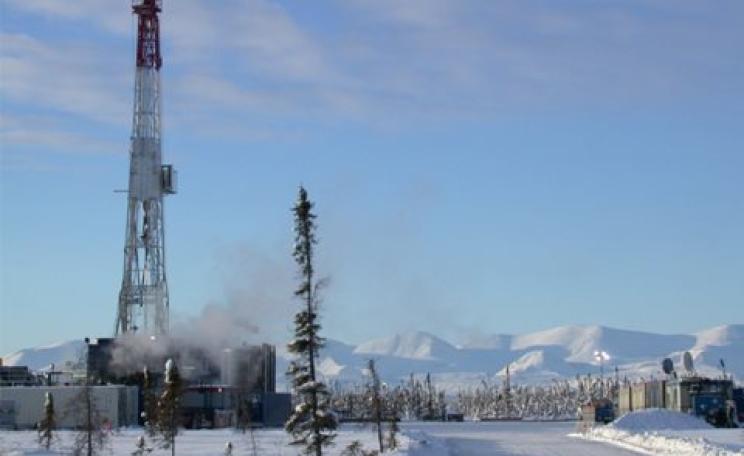
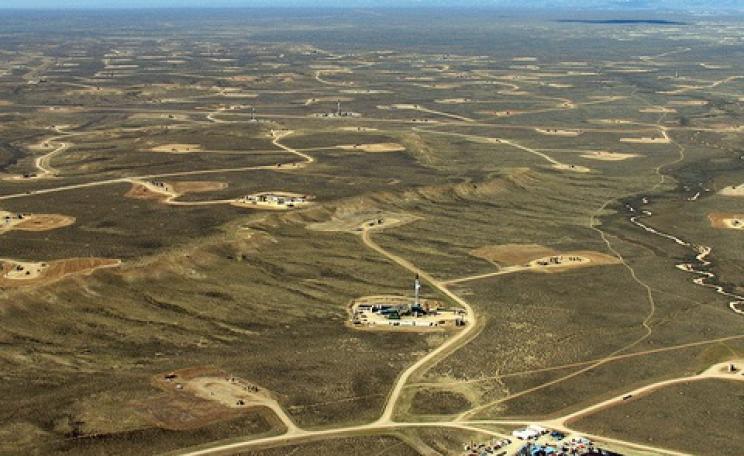
Hydraulic fracturing is roaring ahead in the Canadian Arctic, writes Ed Struzik. Companies are competing to exploit the Northwest Territories' 2-3 billion barrels of shale oil, as the NWT government ignores calls from indigenous nations and scientists for a moratorium on fracking pending an open review of its impacts.
Scientists in the US have established that chemicals used in fracking to extract gas and oil could represent health and environmental hazards, writes Tim Radford. Among the greatest hazards: biocides and corrosion inhibitors.
Government energy policy is caught between apparently conflicting objectives, writes Mark Hackett. But there is a solution that is already working in the UK and abroad - to encourage the active participation of local authorities in delivering low carbon energy to the communities they serve.
When the US's biggest ever coal ash spill buried 300 acres of waterfront property in a white, middle class suburb, the waste was treated as a toxic hazard. But by the time it reached Uniontown, a black community in Alabama, that was all forgotten. Now they are fighting back.
Russia has announced that it will build the first thermal nuclear power station in Kazakhstan, the world's largest uranium producer, writes Komila Nabiyeva. But where in that vast country will it be located? Who will own and operate it? How many reactors are planned? Who will get the power? And will it ever actually happen?
There is no better time to put the 'green' into building than at the outset of the design phase, writes Ryan Kohn. And to get it there we need to raise awareness of sustainable technologies, and offer incentives, rather than loop-holes, for developers. Buyers too must learn to appreciate the long term value of green ... and demand the highest standards.
The FCA is accused of undermining official policy by refusing new applications for community energy projects with a co-operative structure, writes Adam Vaughan. The key question: what is a bona fide co-op? Is investment alone a valid form of participation?
Campaigning has never been so easy - sign an Avaaz petition here, send an email there ... and the world is soon put to rights, no? No, writes Paul Mobbs. We must examine the impacts and implications of our e-life, from climate change to corporate dominance, and take control of the technologies we increasingly depend on.
How do we spur more microgrids powered by renewable energy? Deregulate, writes Bill Watkins, ending the monopolies enjoyed by centralized energy companies. The alternative is to keep consumers and micro-generators stuck with the energy equivalent of the 'Princess' phone.
India's economy is hindered by the lack of sustainable and reliable electricity, writes Michael Jacob. But the new government has a plan to bring 24/7 power to every citizen, based on grid renewal, subsidy cuts, and a big rollout of ever-cheaper solar power generation.
Feed-in tariffs are a great way to kick start renewable technologies, writes Chris Goodall. But they suffer from a law of exponentially diminishing returns. It's time for governments to move to direct R&D funding to achieve the transformational changes the world needs.
What's the biggest threat to your life savings you've never heard of? Rebecca O'Connor shows how the world's exposure to unburnable carbon assets, and competition from clean energy technologies, could hammer your savings, pensions and investments.
Plans to crack down on endocrine disruptors and illegal timber were buried by the outgoing President of the European Commission, José Manuel Barroso and his secretary-general Catherine Day - while undermining action on climate, renewables and energy efficiency.
Plastic pollution in the oceans is impacting every level of marine life, writes Kate Rawles, from micro-plankton to whales. And here is your chance to do something about it - join a research expedition to the Azores next month to study the problem and develop solutions!
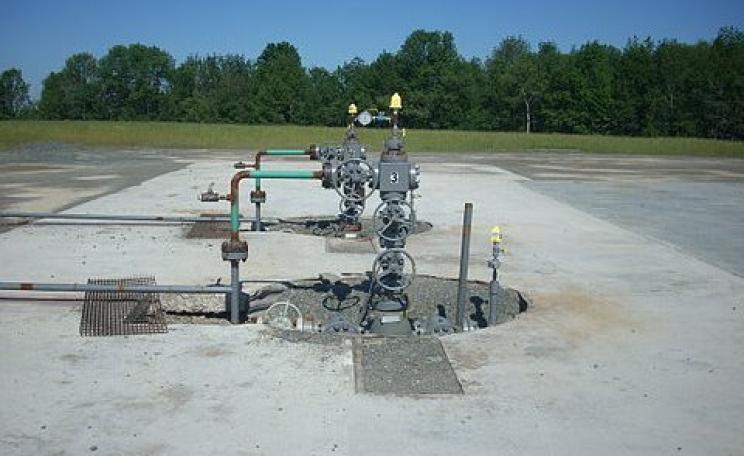
Among the risks of fracking are fragmentation of wildlife habitats, groundwater depletion, surface water pollution. The risks are compounded by a failure among companies and regulators to record or disclose essential information - from the chemicals used, to the time and place of toxic spills.