As renewables grow in scale, and fall in price, the threat to electric utilities becomes ever more clear, writes Tyler Hamilton. The last thing they needed was Barclays downgrading their corporate bonds ...
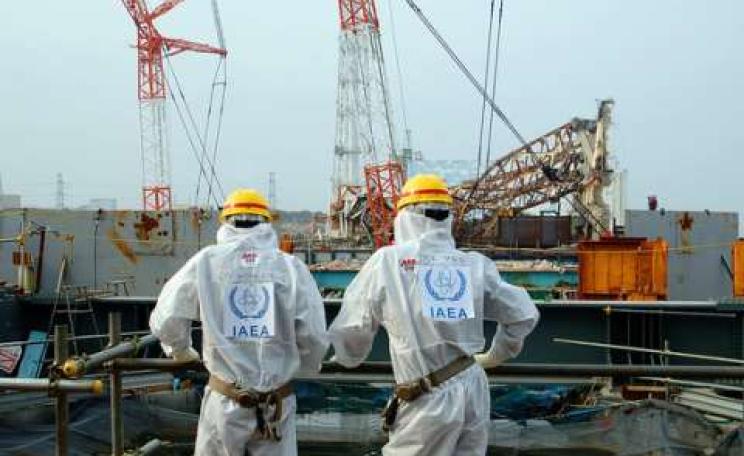
Fukushima has largely disappeared from the mainstream news, writes Harvey Wasserman. After all, who wants to read about children with cancer, continuing huge radiation leaks, and the very real possibility of another catastrophe as big as Chernobyl?
France, Germany and other wealthy countries have positive policies on climate change, writes Steven Herz. So why are they handing out back door financing for new coal power stations abroad via 'export credits'? Over $5 billion from EU countries since 2007 ...
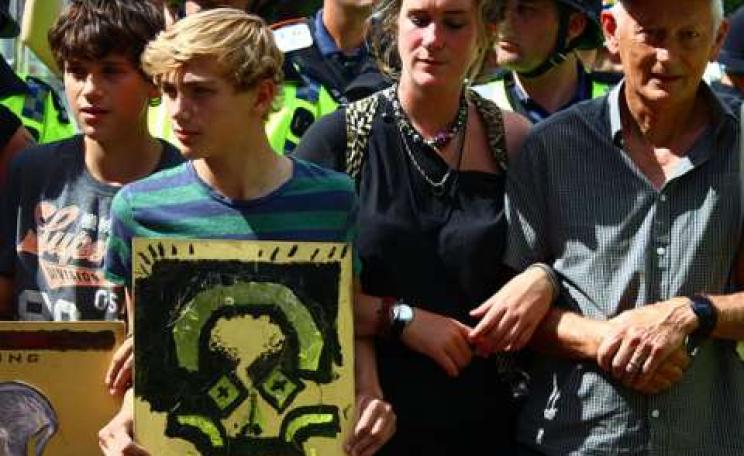
Visit the British Museum's hugely successful Vikings exhibition, and you can't miss the BP branding - a fair price for their sponsorship? No way, writes Chris Garrard, who will join a 'flash-horde' at the Museum next Sunday and give BP its last rites in a Viking longship.
Oil company Soco International is suspending all operations in Virunga World Heritage Site - Africa's oldest national park. It has also committed to keep out of all other UNESCO World Heritage Sites.
There is more to sustainable transport than cutting emissions, writes Nicola Spurling - like reducing car dependence, cutting congestion, and reducing the need for travel. The Tesla Model S is a wonder of engineering, but does little to address the real challenges.
A decision by parties to an obscure Convention has huge implications for Europe's ageing nuclear reactors, writes Jan Haverkamp. Licence extensions must follow EIAs which compare the potential impacts to those of alternatives - including wind, solar and other renewables.
What do the Australian Environment Foundation, the Renewable Energy Foundation and the Global Warming Policy Foundation have in common? They are all fiercely anti-environment, writes William Laurance - and we must beware their 'eco-doublespeak'.
The Jenin Charitable Hospital is going 100% solar in order to combat the power cuts and shortages that afflict the Palestinian Territory - and in the process save a small fortune on energy bills.
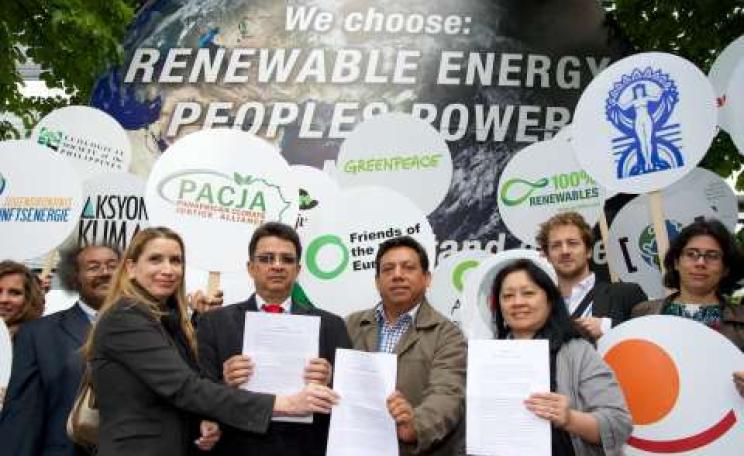
At last year's climate talks in Warsaw the corporate fossil fuel lobby was firmly in charge - and the result was catastrophic failure. At the talks now under way in Bonn, it's our turn to set the agenda - the billions of people crying out for positive action on climate and energy.
Mission accomplished in Iraq? It is now, writes Mike Whitney. A million deaths on, a once peaceful, independent country has been transformed into a petro-economy of never ending civil chaos and terror, where multinational oil corporations rule supreme.
The Government has let down Britain with its repeated failures to seize the opportunities of green growth, healthy local food, better housing, environmental protection - and is instead pinning all its hopes on flawed, outmoded ideologies that betray our futures.
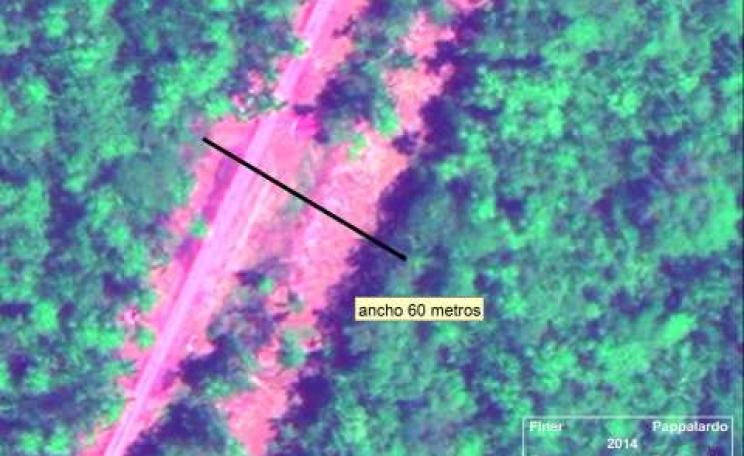
Ecuador's state oil company PetroAmazonas has, in secret, built a road deep into the heart of the world-famous Yasuni National Park in Ecuador's Amazon rainforest, writes David Hill - violating promises and threatening uncontacted indigenous tribes.
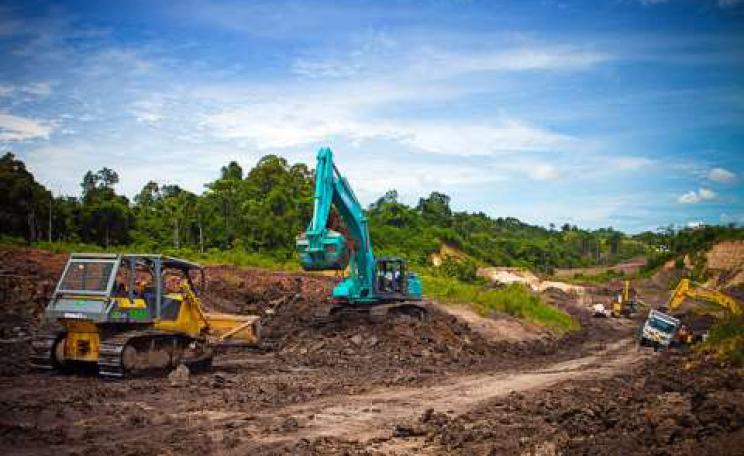
Coal consumption in China is likely to dwindle rapidly, writes Alex Kirby, leaving its own mining sector and foreign coal exporters in serious trouble. Australia and Indonesia are at greatest risk as China may soon stop importing any coal at all.
UN climate negotiations get under way today in Bonn, Germany - and they offer a key opportunity for campaigners to gear up their fight against fracking, writes Jamie Gorman, because to stabilize the Earth's climate, the gas must stay deep underground.