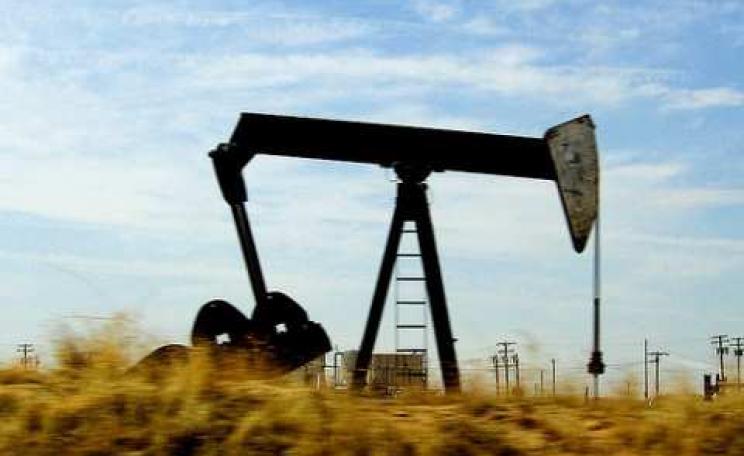
Sixty-four environmental and community groups have filed a petition to the EPA demanding federal limits on toxic air pollution from oil and gas wells which threaten the health of 150 million Americans.
Financial experts warn investors that their money is being used by oil companies for high-risk projects, reports Paul Brown, on the assumption that oil prices will go on rising, with little or no regard for climate change. $1.1 trillion could be at risk.
Former Shell oil boss Mark Moody Stuart's ableptic, self-satisfied book on 'responsible leadership' left Danny Chivers seething. The sooner we stop caring about the opinions of the Moody-Stuarts of this world, he concludes, the sooner we're likely to improve it.
The Amazon basin faces 'ecosystem collapse' according to a new report about hundreds of major dams and other mega-projects planned for the region - home to the world's greatest rainforest. David Hill reports.
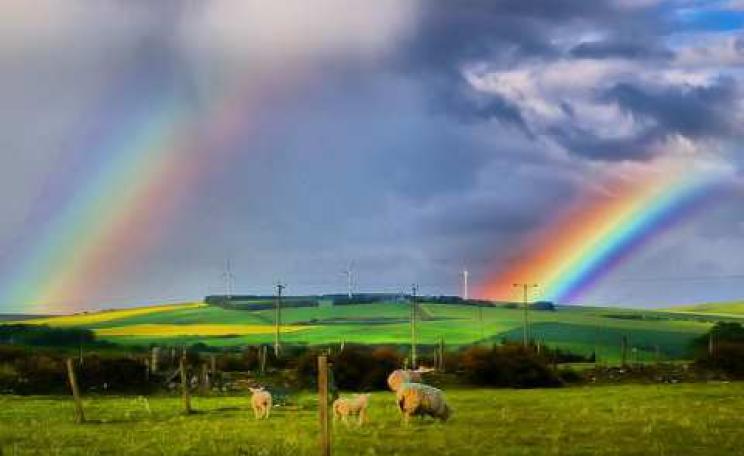
David Cameron has promised to suspend incentives for onshore wind farms if he is re-elected in 2015, writes Alan Whitehead. But how exactly will he replace the 8GW of planned wind capacity that will not be built?
Large-scale fracking is a must for the UK economy, says a new report from the House of Lords. But it confuses opinion with fact, cherry-picks data, and six of its authors have a stake in the industry. The real solutions, writes Tony Bosworth, lie in energy efficiency and renewables.
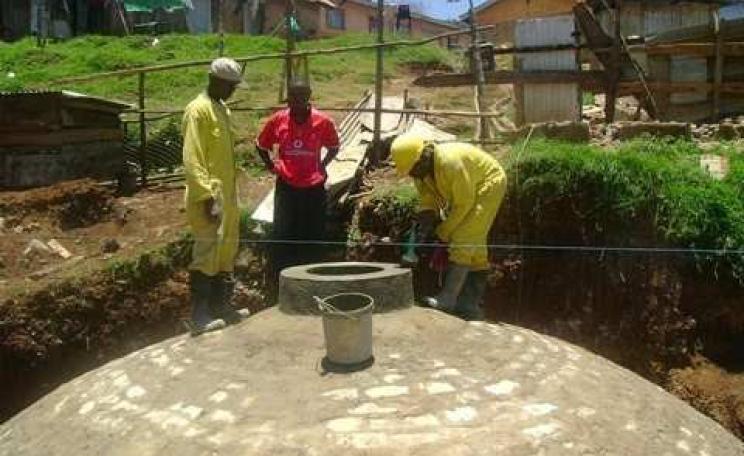
Biogas digesters are a key technology for global sustainable development, writes John M. Hawdon. They simultaneously combat parasites that infect a billion people, reduce deforestation and methane emissions, and deliver vital energy to rural communities.
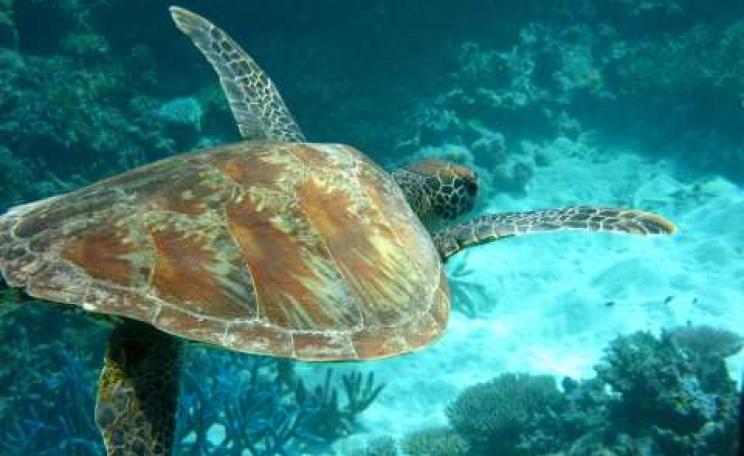
Australian environmentalists have launched a lawsuit against plans to expand a coal port that threatens the Great Barrier Reef, writes Maxine Newlands. The approval came in spite of warnings from UNESCO and marine scientists that the Reef is already 'in danger'.
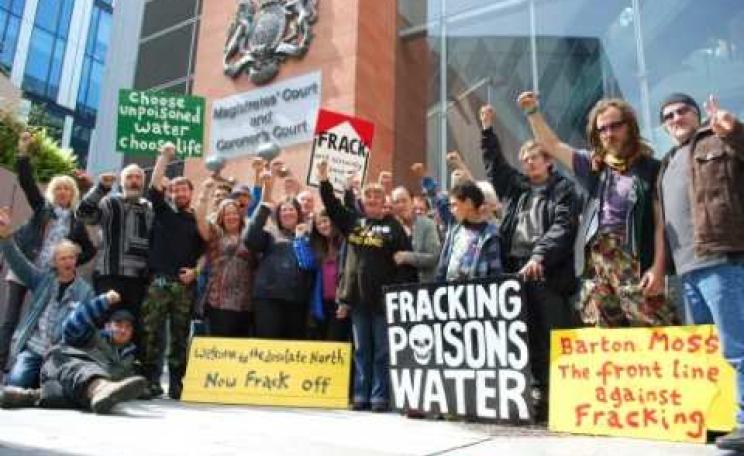
Public Health England is guilty of gross scientific misconduct, writes Paul Mobbs, for its apparently deliberate whitewashing of the public health impacts of fracking. But it's all part of a pattern of maladministration that reaches to the heart of government.
Apple is moving to 100% renewable energy, worldwide, writes Robert Hunziker. But even better is CEO Tim Cook's fierce put-down to fossil-fuelled, climate skeptic shareholders: 'if you don't like it, sell!' Suddenly the politics of climate change in the US shifted ...
Ten years ago, Mo and Dave fell in love, writes Helen Leavey - with a ruinous but romantic water mill in Yorkshire. It was the beginning of a fabulous restoration adventure, and the mill is now an exemplar of renewable energy generation and a thriving education centre.
Nearly 100,000 people have pledged to risk arrest if the Obama administration approves the Keystone XL pipeline. Among them is Jeremy Brecher, who believes that the real criminals are governments who betray their fiduciary duty as trustees for the public good.
With the help of some clever engineering, writes Paul Brown, the power of the Sun can now produce electricity on demand - day and night, bright or cloudy. The key technology has just won a prestigious DESERTEC Award.
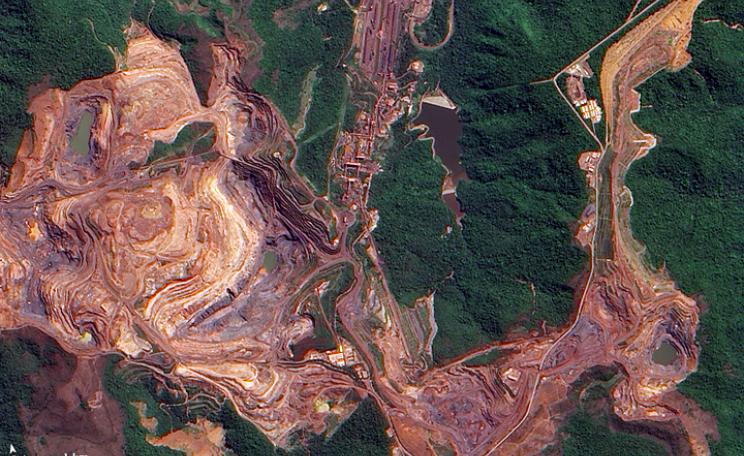
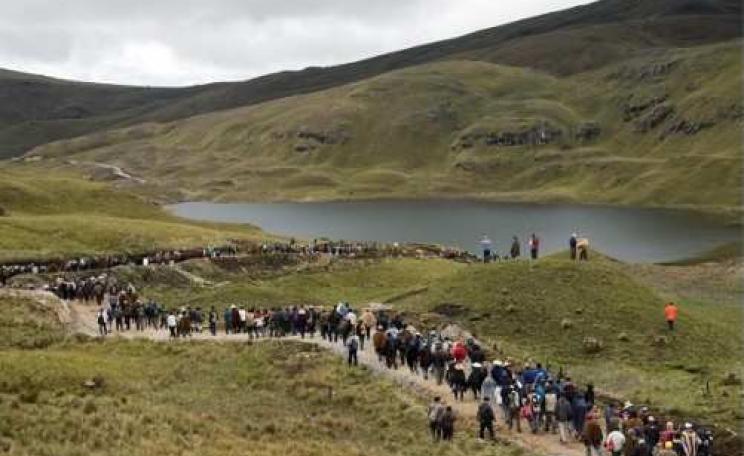
Left-wing, progressive politicians hold sway across Latin America, writes Benjamin Dangl. But defying their own 'green' rhetoric, they are committed to mining and other environmentally damaging development. Now they face growing resistance from small farmers and indigenous peoples.
Theatrical protest group the Reclaim Shakespeare Company has invaded the British Museum and held a surprise performance challenging BP's sponsorship of the popular Vikings exhibition.