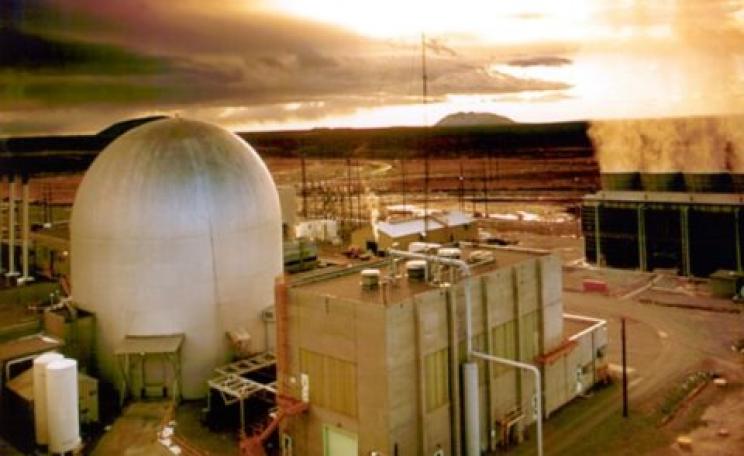
There's an Alice in Wonderland flavour to the nuclear power debate, writes Jim Green. Lobbyists are promoting all sorts of new reactor types - an implicit admission that existing reactors aren't up to the job. But the designs they are promoting have two severe problems. They don't exist. And they have no customers.
When Shell decided to quit its Arctic oil exploration it cited 'insufficient quantities' of oil and gas, writes Louise Rouse. But that was not the whole story: what tipped the balance was a combination of investor discontent, reputational damage and public opposition on an unprecedented scale.
The movement to divest from fossil fuels is gaining strength, writes Ruth Lumley, with $50 billion of institutional investment behind it. This week's news that almost $1 billion of Rockefeller money is moving from fossil fuels to clean energy shows that the world is changing faster than most ever imagined.
Why so few Russian representatives at the UN's World Conference on Indigenous Peoples? Officials prevented activists - some opposing Arctic oil development - from leaving the country, damaging passports and detaining them so they missed their planes.
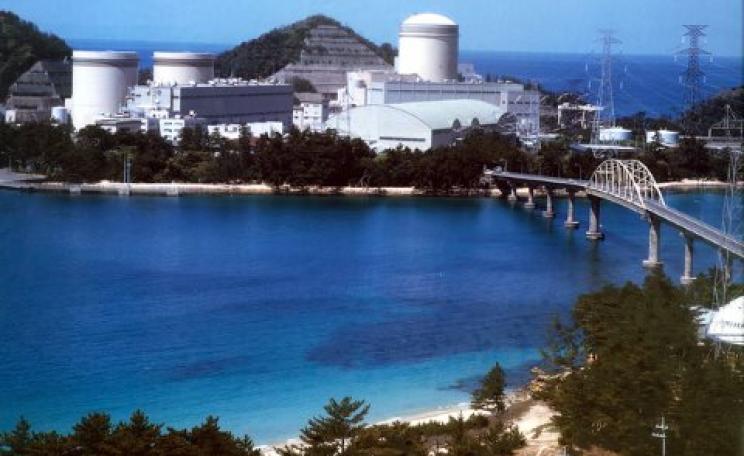
Japan's government is trying to get its failing nuclear power industry up and running, write Jim Green and Peer de Rijk. But in the post-Fukushima world, it faces formidable obstacles. Experts believe most reactors will never restart - and Japan's stricken utilities may have to find $30 billion or more to finance their decommissioning.
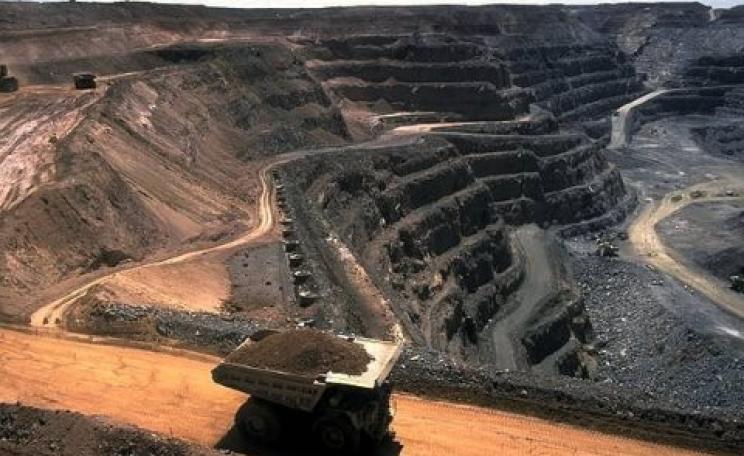
To tackle its serious air pollution, China is imposing stringent restrictions on dirty coal high in ash or sulphur, writes Shabbir Ahmad. One result: half of Australia's coal exports to China face exclusion, or extra 'washing' costs. But Australia's response is not to raise environmental quality. Instead, it's increasing production.
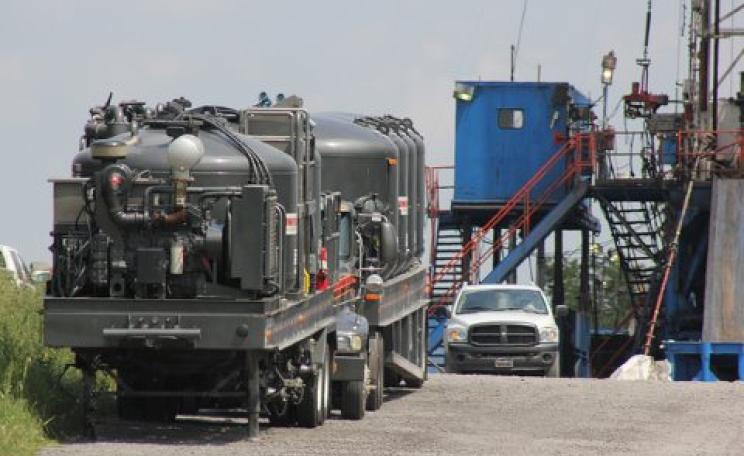
A health study in Pennsylvania, USA, shows that people living near fracking and other natural gas wells are more likely to suffer from skin conditions and upper respiratory symptoms. It calls for further study of the associations, including the role of specific air and water exposures.
Energy efficiency in office buildings struggles to gain the attention of top management, writes John Alker - because energy is too cheap to really matter. But with 90% of operating costs spent on staff, show that green building design makes employees happier and more productive, and you're really onto something ...
At the UN climate summit in New York today, institutional investors managing $24 trillion of assets are demanding stronger, more ambitious policies on climate change, writes Kieran Cooke. These include an effective carbon price and an end to fossil fuel subsidies.
A report published ahead of tomorrow's UN Climate Summit shows that we can meet all our energy needs from renewables, writes Paul Brown - poor nations and prosperous, tiny islands and great cities, in any part of the globe. And some are doing it already ....
Gas flaring of natural at shale oil wells is carried out on such a scale in North Dakota and Texas that 'phantom cities' show up at night in satellite photos, writes Sharon Kelly. Billions of dollars worth of gas are going up in smoke, adding to CO2 emissions - but far worse for the climate is when the gas is 'vented'. Regulators are doing too little, too late.
A review of the 66 nuclear reactors 'under construction' worldwide shows that 49 are running behind schedule, including all five in the US and most in China. The long and unpredictable build times of nuclear plants, and the extra costs that ensue, are a compelling reason not to depend on the technology for either power or to mitigate climate change.
Sanctions against Russian natural resource tycoons could be good for the environment, writes eco-campaigner Konstantin Rubakhin - if only they would target the right people. But so far, the EU has been turning a blind eye to powerful Kremlin insiders with an open licence to pollute and destroy.
Amid ongoing creative protests over BP's sponsorship of the British Museum, Danny Chivers wants to know - why the harsh security tactics? Why the searches, exclusions and arrests, all for a paltry 1% or less of the Museum's funding? Is this their policy, or is it BP that's calling the shots?
Nuclear power exists for one reason only, writes Ralph Nader - government support. Without the taxpayer subsidies, accident liability waivers and exploited consumers, nuclear power wouldn't exist. And even with all the above, it can barely hold on. It's time to end the nuclear boondoggle for once and for all.