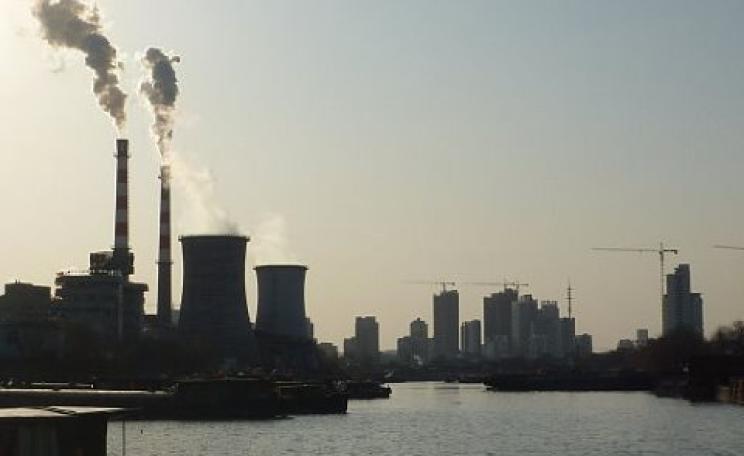
There are hopeful signs that China, the world's biggest emitter of greenhouse gases, is becoming less reliant on the polluting coal that powered its rapid economic rise, writes Kieran Cooke. Great news for China, and the planet - but worrying for coal exporters!
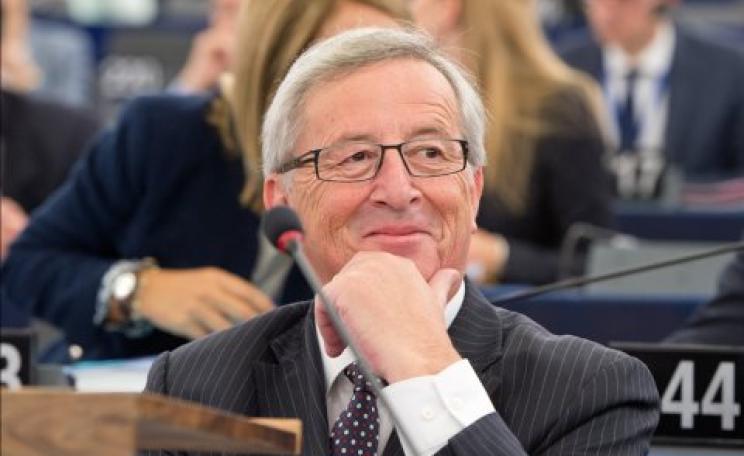
We have a new European Commission - so what does it mean for the environment, GMOs and trade negotiations? Lawrence Woodward can't help feeling that the best part of the package is Commission President Juncker himself. Now, will his 'team' pull together and work to deliver his vision? We can't quite count on it.
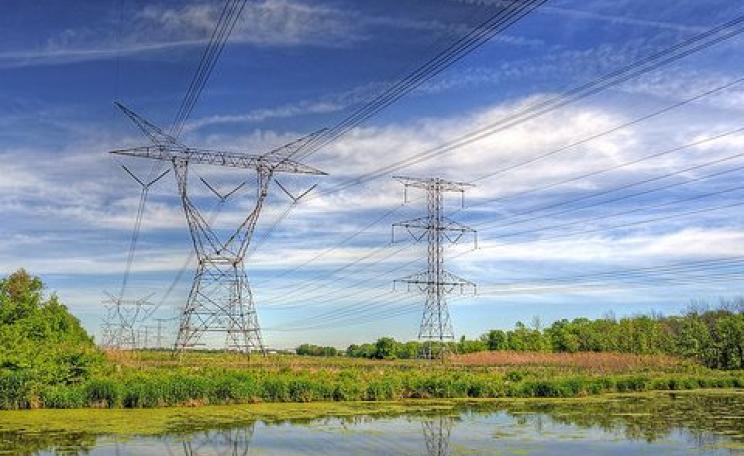
The EU, nervous about disruption to gas supplies across an increasingly unstable Ukraine, is planning a European 'supergrid' linking all 28 member states to increase resilience, writes Paul Brown. The development will be a boon to renewable energy generation, and cut emissions from fossil fuels.
Ministers are determined to get fracking under way in the UK as fast as possible, so it's a 'fait accompli' in time for the election, writes Alex Stevenson. With a firm pro-fracking concensus in Parliament, only one thing can frustrate their plans - strong local campaigns to turn around MPs desperate for re-election in 2015. It even has a name: democracy.
Consumers around the world want their electricity to come from renewable sources, writes Paul Brown. Yet governments from the UK to Australia are defying the popular will as they push for fossil fuels and nuclear power. The good news? Renewable energy is surging ahead regardless.
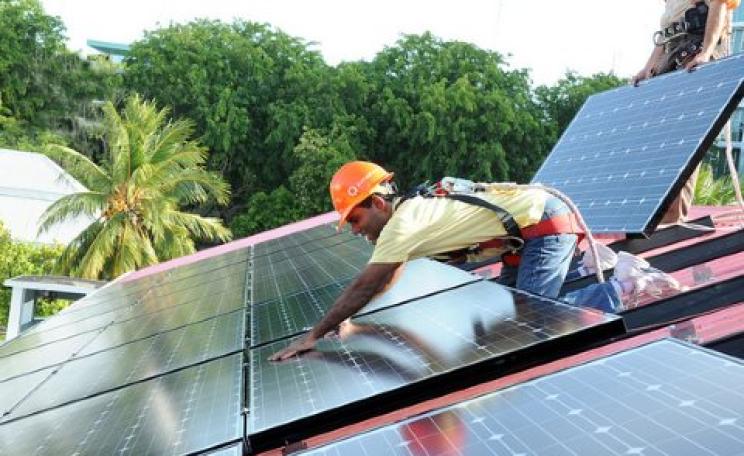
The future of small island states has to be renewable, says Zaheer Allam. But that's only the first of many choices. It's just as important to develop energy networks that are diverse, resilient, adaptive and flexible - and avoid the centralised, unimodal models that investors and bureaucrats prefer to impose, often at huge long term cost.
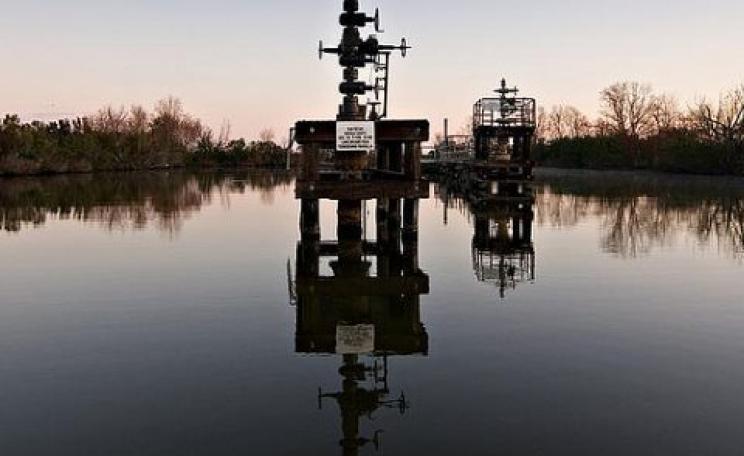
Thanks to damage to coastal wetlands by the oil & gas industry, Louisiana is losing two acres to the sea an hour, writes Julie Dermansky. The companies are legally obliged to repair their damage - but they haven't and the cost has reached $50 billion. The answer? A Bill backed by the state governor to make them immune from lawsuits.
International polling today revealed strong public support for a formally protected area in the High Arctic for mammals and other marine life. The weakest support came from Japan, where opinion was evenly split over the industrialization of the Arctic.
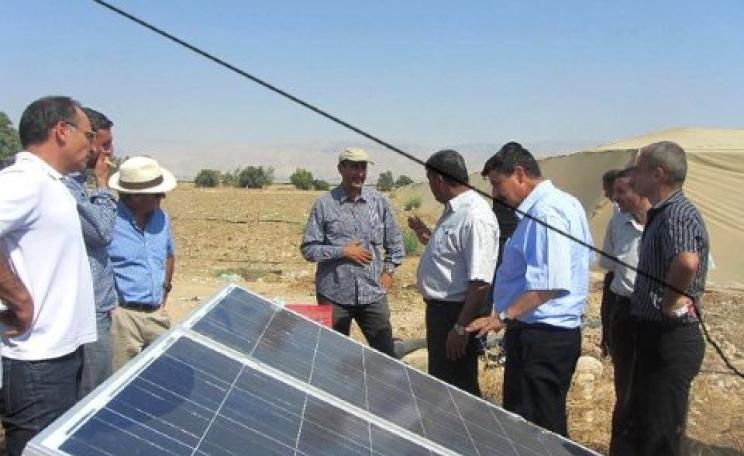
The war in Gaza is over - but with the territory in ruins, it's essential to build a just and durable peace, and restore essential public services: health, water, sewerage and above all electric power. Keith Barnham presents his plan for Gaza, based on a massive deployment of solar and wind power generation.
Politicians are forever citing 'terror' as a reason to expand the security state and restrict civil liberties, writes Paul Mobbs. But when it comes to the real threats that face the world - ecological breakdown, climate disruption, resource crises, and an unjust and rapacious world order ... well, that's all 'green crap'. Isn't it?
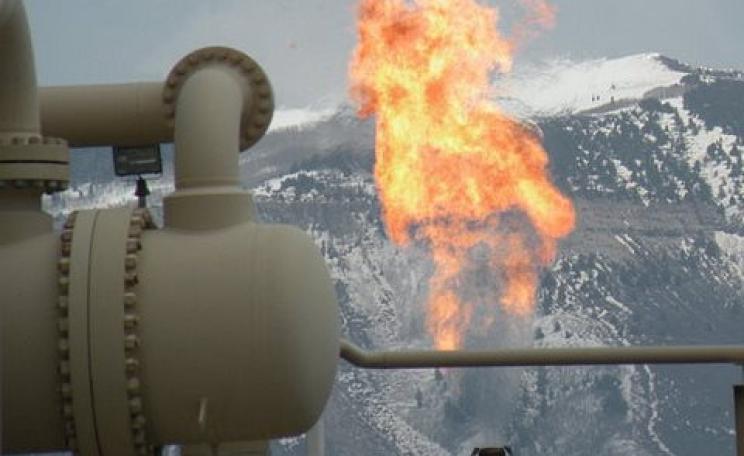
Natural gas is widely touted as a 'green fuel'. But as Paul Thacker found in Colorado, fracking's national 'ground zero', it's anything but. Lives and health are being ruined by pollution from taxpayer-subsidized gas wells, flaring and refining plants, while property values collapse. Now a mass of environmental refugees are fleeing the ravaged state.
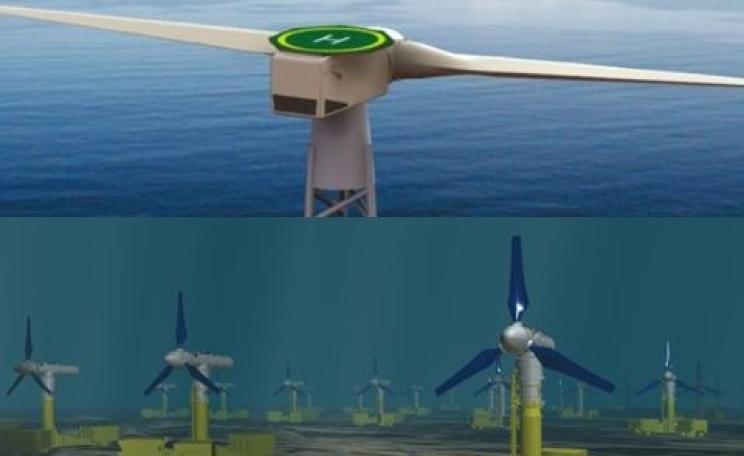
Two innovative renewable energy projects are moving forward in Scotland: Britain's first tidal power array, and the world's first deployment of two-bladed wind offshore turbines. The experimental technologies are hoped to achieve significant cost savings and unlock a huge offshore energy resource.
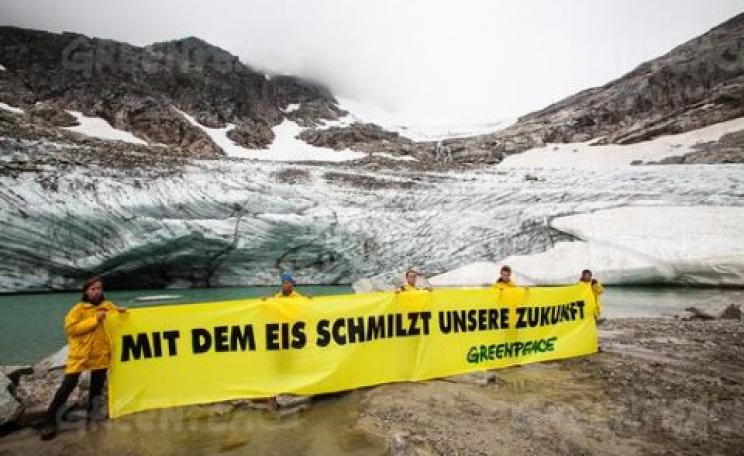
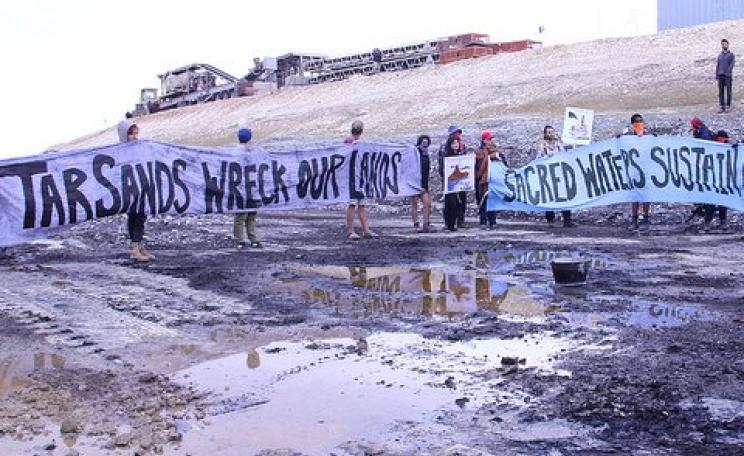
Liberal environmentalism represents a dangerous delusion, writes Scott Parkin - that 'playing nice' with Earth-destroying corporations and politicians can yield results worth having. Radical change on climate will only result from bold, confrontational direct actions against the fossil fuel industries and their apologists.
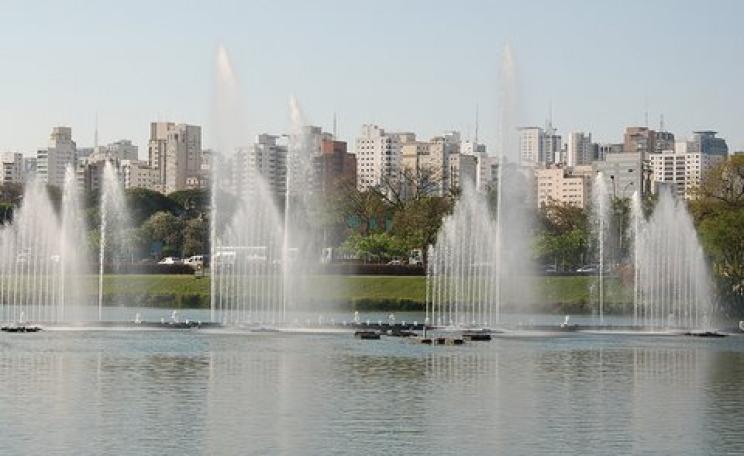
São Paulo, South America's biggest city, is suffering its worst drought in over a century, writes Jan Rocha, with rivers and reservoirs running dry. But the state's politicians are seeking re-election. And for them, it's as if nothing is happening - never mind that water and power cuts affecting millions are looking inevitable.
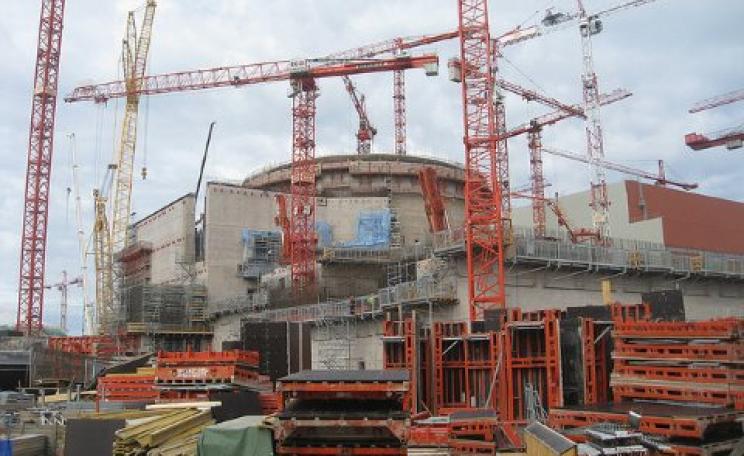
The World Nuclear Industry Status Report provides an account of an industry in decline, writes Jonathon Porritt - with rising operating costs and an ever-shrinking share of world energy production, while the sector loses the race for investment and new generating capacity to fast growing renewable energy technologies.