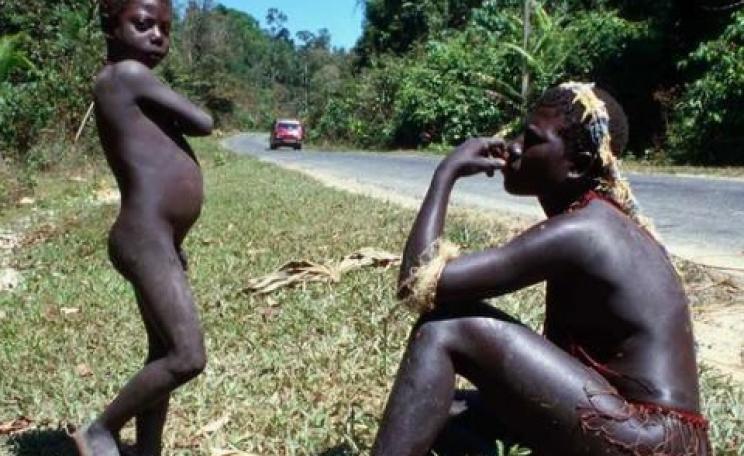
An illegal road on India's Andaman Islands has already opened up a 55,000 year old tribe to disease, sexual abuse and the theft of their resources. But instead of closing the road, local politicians are upgrading it with two new bridges.
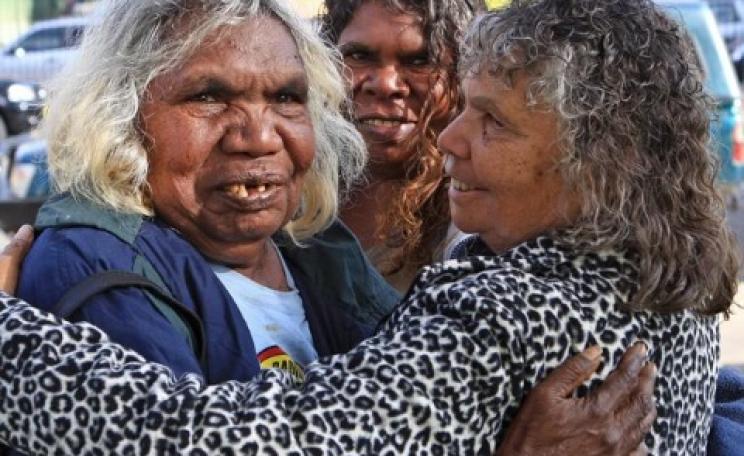
Australia's nuclear industry has a shameful history of 'radioactive racism' that dates from the British bomb tests in the 1950s, writes Jim Green. The same attitudes have been evident in recent debates over uranium mines and nuclear waste, but Aboriginal peoples are fighting back!
Mali's elephants have lived for millennia in the inhospitable Sahara, writes Susan Canney. But with their survival at risk from a host of modern, 21st century threats, local people are coming together to protect them - and finding that they too are benefiting.
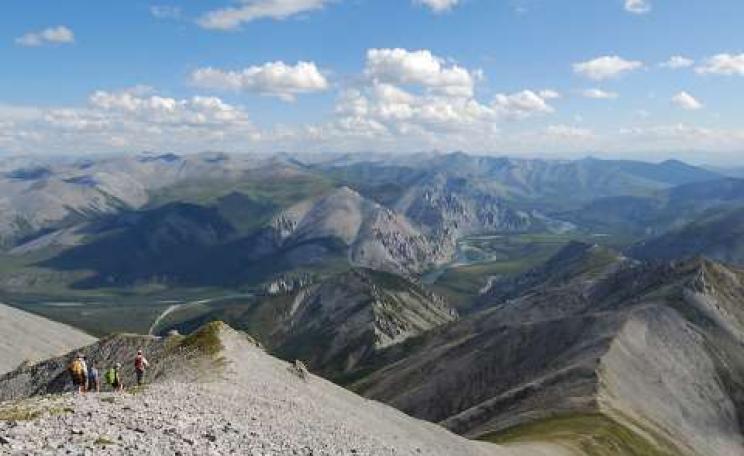
Next week the indigenous peoples of the Yukon challenge their Government in the Territory's Supreme Court, writes Jill Pangman. At issue, its plans to open the Peel watershed, a vast unspoilt ecosystem rich in wildlife and cultural meaning, for industrial development.
Massive dams in Sarawak, Malaysia, threaten to flood over 2,000 square kilometers of the world's oldest rainforests, displace 10,000s of indigenous people, and aggravate climate change, writes Amanda Stephenson - all to generate electricity that no one wants.
An ancient system of irrigated terraces in Palestine's West Bank have been recognised by UNESCO as a World Heritage Site against strong opposition from Israel - which wants to build its 'separation wall' across Battir, cutting Palestinian farmers from their land.
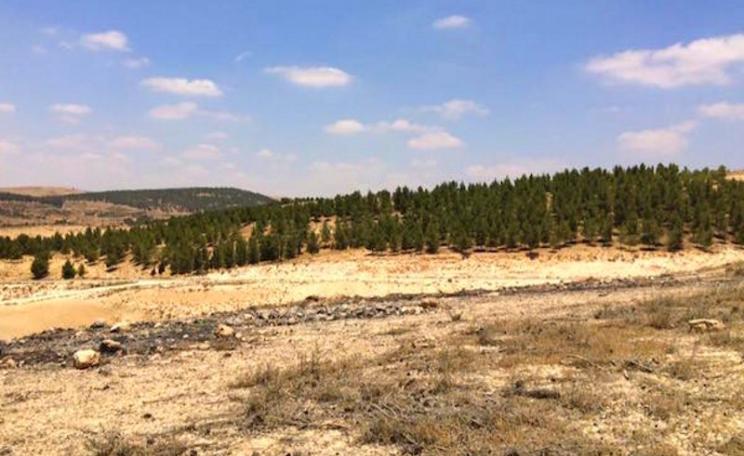
It should be good news, but it's not. Israel's largest man-made forest is set for enlargement, but at the expense of a village where a Bedouin community has lived since they were resettled there in 1956. Its sister village is to be demolished so a new Jewish town can be built on its ruins.
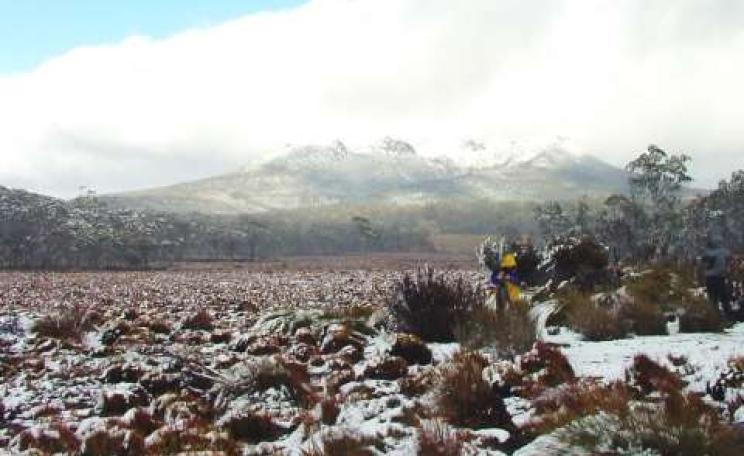
With Australia's still trying to 'de-list' 74,000 hectares of forest from the Tasmania Wilderness World Heritage Area, Kevin Kierman reminds us that it's not just about the trees. No less important are the area's unique geology, and ancient Aboriginal cultural sites.
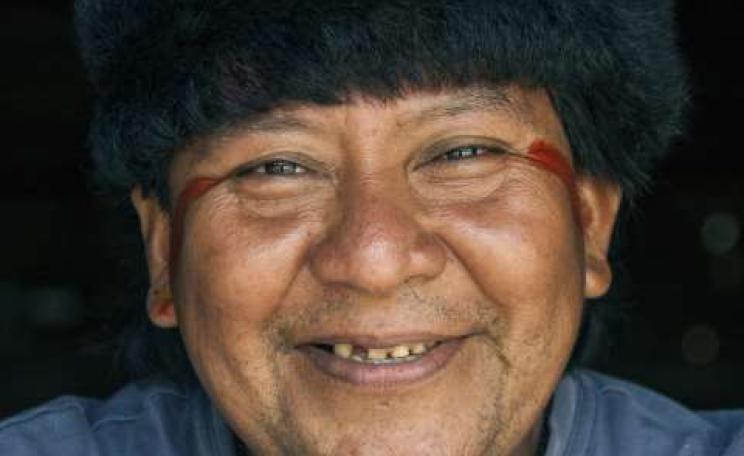
As the World Cup gets under way in Brazil, Yanomami shaman Davi Kopenawa told Liam J Shaughnessy about the very different world he inhabits, deep in the Amazon rainforest - a world of bright spirits, ancient knowledge, union with nature. And a world under threat.
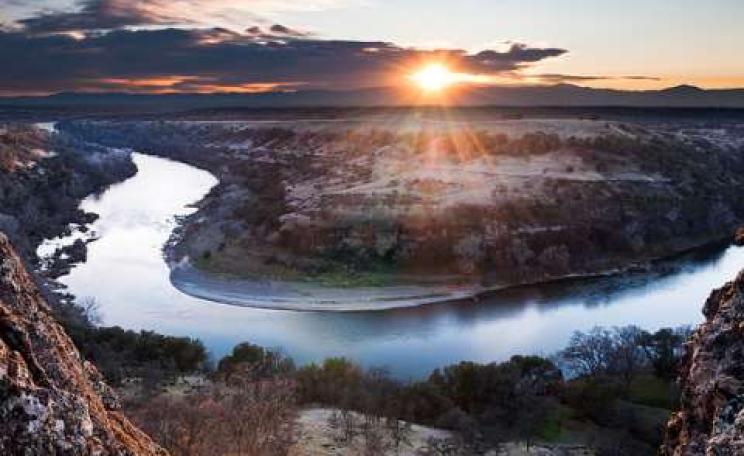
In California, water no longer runs to the sea - it runs towards money, writes Will Parrish. Most of the state's water is already controlled by agribusiness elites. Now, backed by politicians, they are planning to grab the little that's left, leaving nature and indigenous communities high and dry.
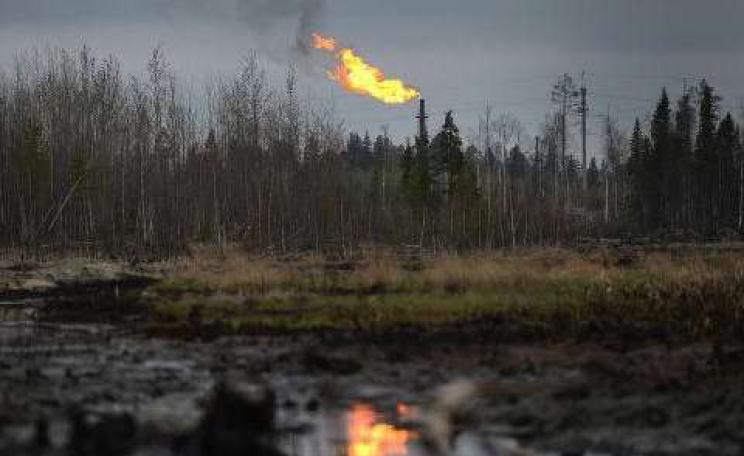
Russia’s oil Goliaths have been devastating vast areas of natural landscape, and indigenous people’s lives, in their rush to extract the black gold that lies beneath. But as Georgy Borodyansky reports, a family of reindeer herders has taken them on.
A remote corner of Sweden's Arctic forest has become a battleground, writes Alex Forss, over proposals for a huge iron mine that would occupy a key reindeer migration route. And with their cultural and economic survival under threat, it's a battle the Sami cannot afford to lose.
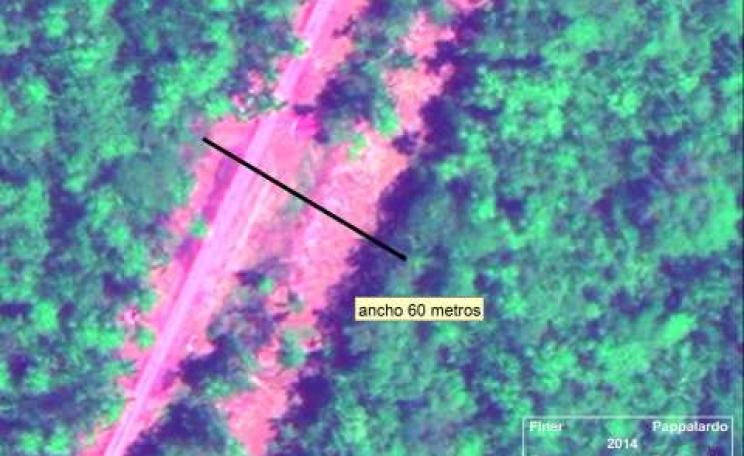
Ecuador's state oil company PetroAmazonas has, in secret, built a road deep into the heart of the world-famous Yasuni National Park in Ecuador's Amazon rainforest, writes David Hill - violating promises and threatening uncontacted indigenous tribes.
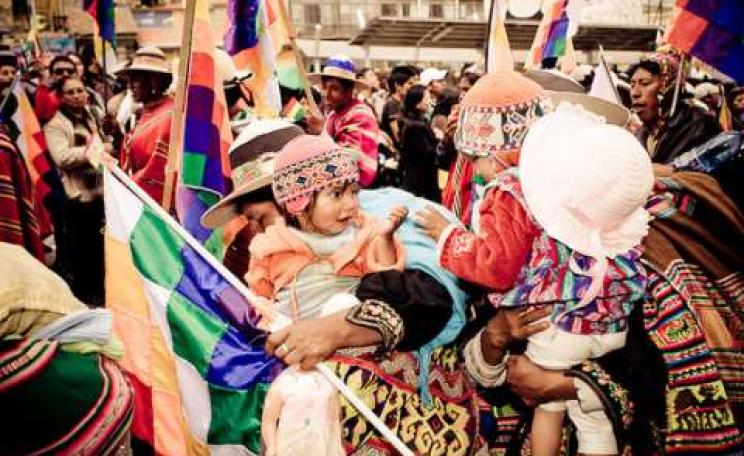
The government of president Evo Morales has approved a new mining law for Bolivia giving precedence to mining over other interests. It's proving highly divisive within the country - and indigenous communities are on the march to protect their rights to land, water and dignity.
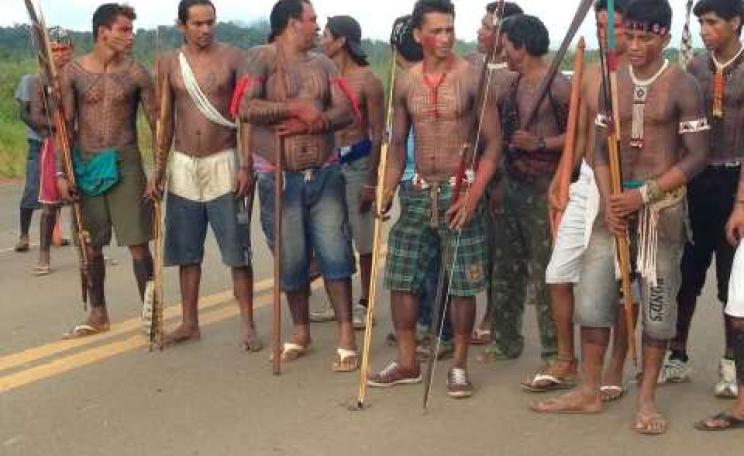
This week 20 Amazon Indians walked to the Belo Monte dam site to demand the company keep its promises to compensate indigenous communities. Police shot them with 'rubber bullets' and stun grenades, wounding four. Tensions are rising ...