The COP20 host, Peru's President Humala, certainly talked the talk on indigenous rights last September when he signed a $300 million deal with Norway. But his violations of indigenous rights, 'hands off' approach to murders of indigenous leaders and recent unguarded comments betray his true sentiments.
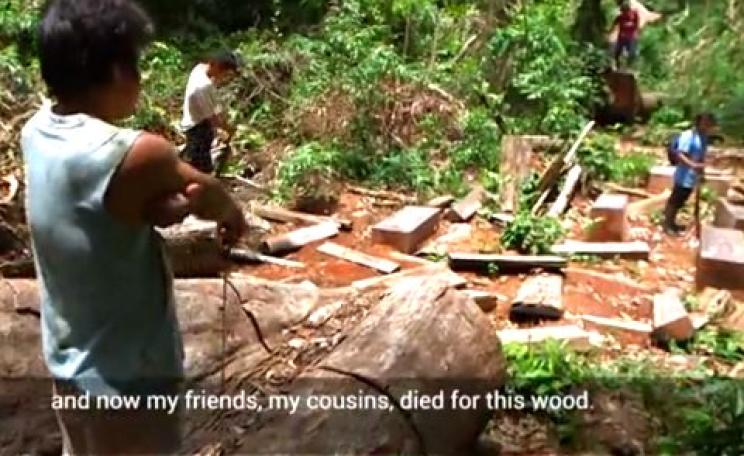
Peru's government is actively undermining indigenous peoples' efforts to protect their forests - by refusing to title 20 million hectares of their lands and turning a blind eye to illegal logging. At the same time it's handing out vast concessions for oil, gas, mining and timber exploitation, expanding palm oil production and planning 50 major forest-flooding dams.
Peru - host of the COP20 UN climate conference now under way in Lima - is facing rebellion by a 3,500 strong indigenous people deep in the Amazon committed to fighting oil exploration in their forest territory, writes David Hill, following the government's failure to consult Matsés communities or respect their rights.
Financed by the World Bank, the Kenya Forest Service has intensified its illegal campaign of evictions, arson, beatings and arrests of the Sengwer forest people of the Embobut forest, Dean Puckett reports from the Cherangani Hills. And behind the violence lies the lure of hard cash - from the prospect of selling the forest's carbon to international financiers.
As land rights of indigenous peoples are increasingly being violated, writes Tim Radford, new research shows that the planned destruction of the Amazon rainforest is a major threat not only to cultural identity but also to the global climate.
From the creation of the very first national parks and game reserves, 'conservation' has always been about repressing and expropriating indigenous tribes, Survival International director Stephen Corry told Alice Bayer. And despite all the evidence that indigenous peoples are the best wildlife managers, old attitudes die hard ...
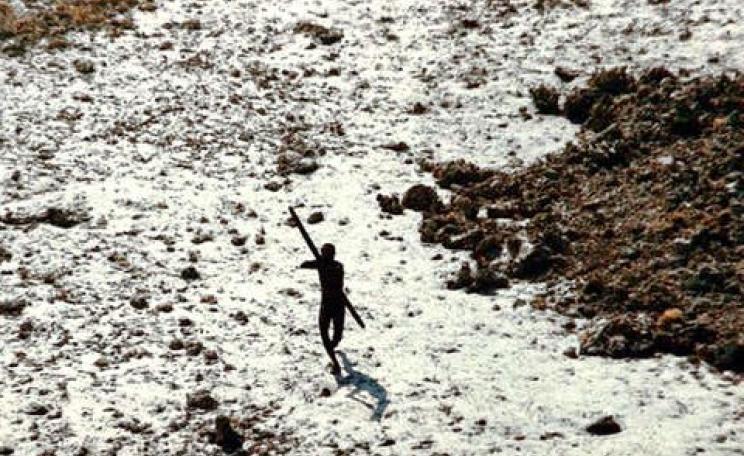
The last completely isolated tribe on the Andaman Islands in the Bay of Bengal is at risk from illegal fishing, with Burmese boats entering their waters and fishermen landing on their island home. But they had better watch out - two intruders were shot dead with arrows in 2006.
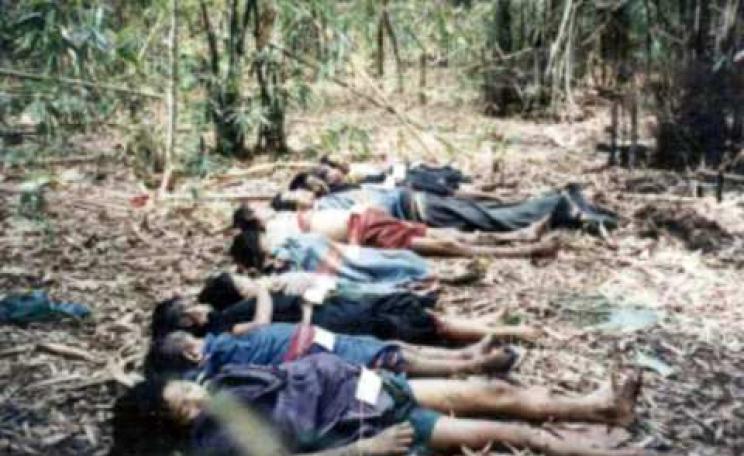
The best way to deal with embarrassing, inconvenient facts is to ignore them, writes Guy Horton. And this is precisely what the international community is doing over Burma's demographic anomaly - 9 million people who ought to be there, but aren't. Their absence is prima facie evidence of genocide - but as we all celebrate the 'brave new Burma', no one wants to know.
As Peru prepares to host UN climate talks, Global Witness exposes the murder of Peruvian eco-defenders - 57 killed since 2002, including indigenous leaders protecting their forests from illegal logging ignored by police and Government.
Legislation put forward by Brazil's re-elected President Dilma Rousseff would open up to 10% of protected areas to mining, writes Luke Parry. The effect would be to gut nature conservation in Brazil, already in a perilous state due to underfunding and growing pressure for the development of mines, dams, farms and plantations.
Peruvian law requires the government to recognise indigenous peoples's ownership of their lands. Yet 594 communities with claims to 20 million hectares of land remain with no secure title - leaving their forests open to illegal logging, plantations and settlement. Now one village is taking its demands to the courts.
Mexico's conquistadors outlawed amaranth - a highly nutritious seed farmed by the indigenous peoples for millennia - due to its use in religious rituals. But it's now being hailed as a 'superfood', writes Anna Bruce, and a growing number of Mexican campesinos are once again cultivating the 'noble plant' among their corn, squash and beans.
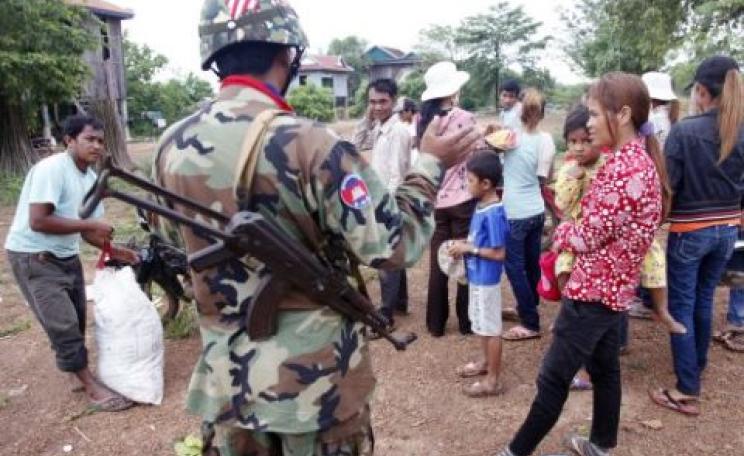
A British lawyer has filed a complaint with the International Criminal Court, writes Kevin Ponniah, alleging that a wave of violent land-grabbing that has displaced 770,000 people has been carried out by Cambodia's ruling elite, and that it amounts to a crime against humanity.
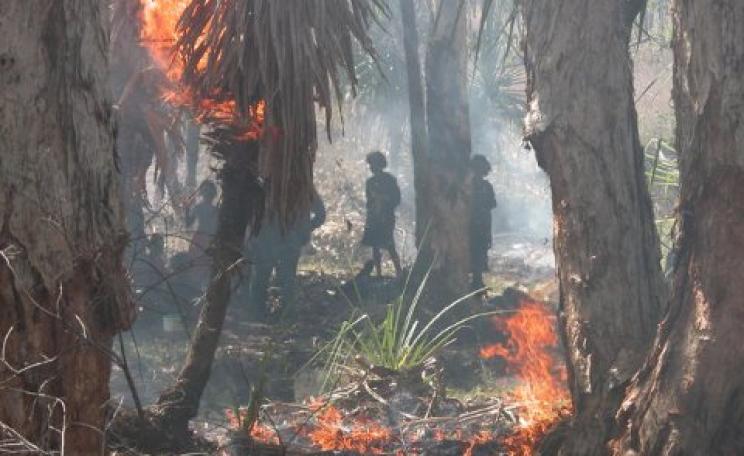
Almost three quarters of Australia's landmass is 'outback', writes John Woinarski, making it one of our planet's greatest natural areas. Yet it has many of the hallmarks of a 'failed state': its native peoples live on the margins, and its biodiversity is under threat. Now a new conservation model shows a way forward for both: Indigenous Protected Areas.
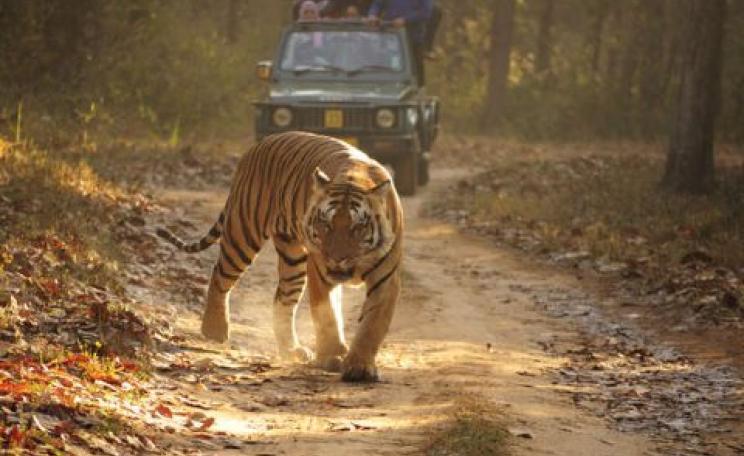
A tribal community within India's Similipal tiger reserve is facing eviction after forest department officials tricked and coerced villagers into signing a document in which they promised to leave. Complaints to the state's Human Rights Commission have been ignored.