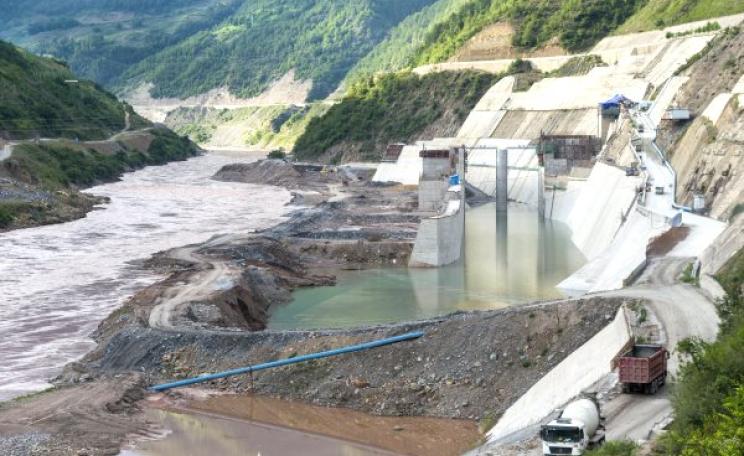
When Michael Buckley took a white water rafting trip in Tibet in 2005, he had no idea of the adventure he was embarking on - a ten-year investigation of China ruthless exploitation of Tibet's mineral and hydroelectric resources, and its systematic attack on indigenous Tibetans, their culture and their survival on the land.
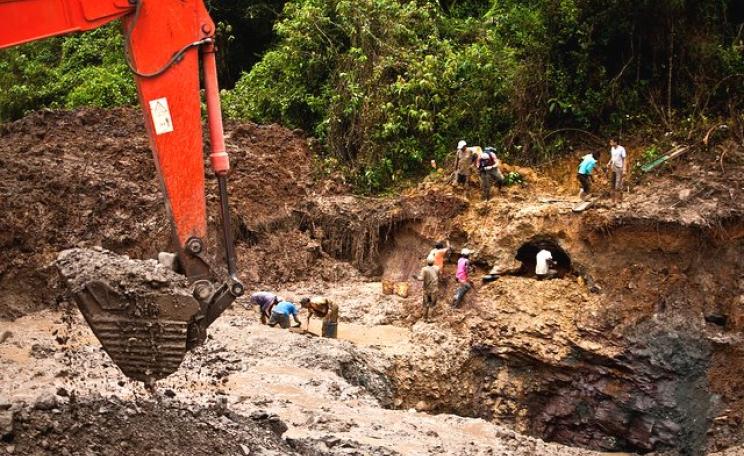
An indigenous leader in Colombia's 'gold belt' has been killed by unknown gunmen as tensions grow between indigenous communities and outside gold mining interests, many of them linked to illegal armed groups and the drug trade.
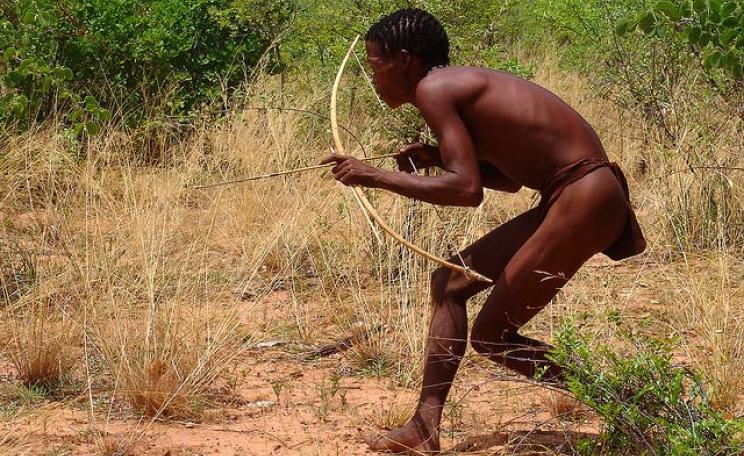
At the 'United for Wildlife' conference in Botswana, backed by princes Charles and William, Indigenous organizations from around the world are calling on world leaders to recognize tribal peoples' right to hunt for subsistence.
Botum Sakor national park is one of Cambodia's biodiversity hotspots, where indigenous tribes have long lived in harmony with the forest and its wildlife, writes Rod Harbinson. But now they are being violently evicted as the park is being sold off piecemeal to developers for logging, plantations, casinos and hotels. Now local communities are defending themselves and their land.
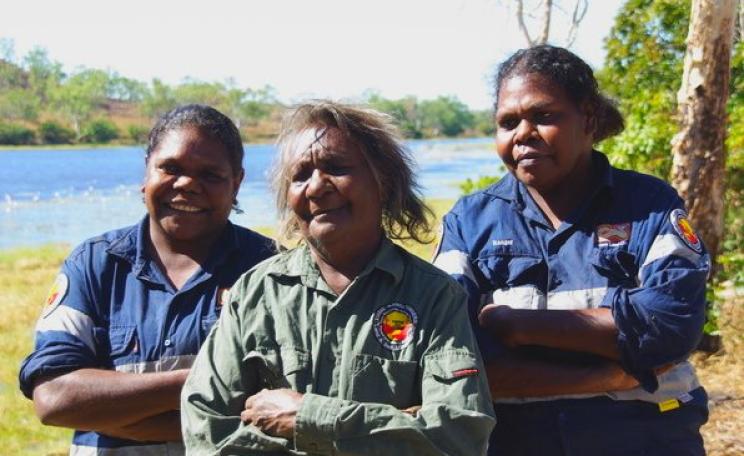
Australia's aboriginal communities inhabit remote Outback regions of enormous importance for wildlife conservation, write Craig Moritz, Emilie-Jane Ens & Jon Altman - and they, and the land management services they provide, are essential to maintain both biodiversity and ancient indigenous knowledge. So why is Prime Minister Tony Abbott putting all that at risk?
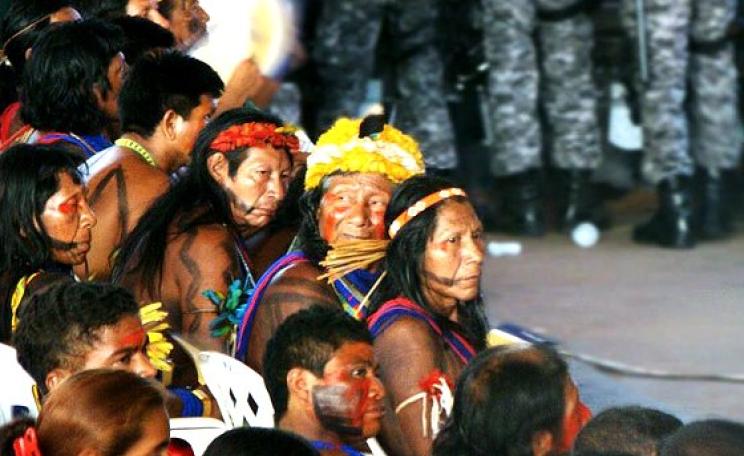
The indigenous peoples of the Amazon are employing the tactics of the Occupy movement against oil companies, gold miners and illegal loggers, writes Marc Brightman. Their methods are home-grown: lacking the protection of the state, they have always had to fight their own battles. But recent campaign successes owe much to outside support. We must maintain, and strengthen, our solidarity.
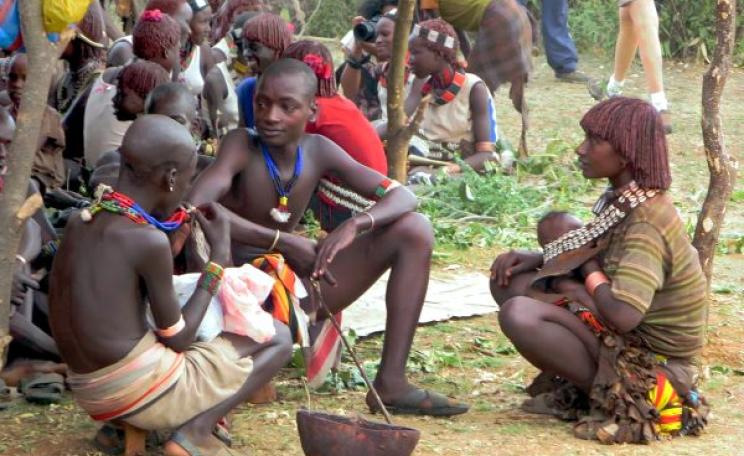
The Kwegu people of Ethiopia's Lower Omo Valley are facing starvation because of the loss of their land to a huge sugar plantation, the destruction of their forest and the damming of the Omo river - supported by a UK, EU and World Bank funded 'aid' program.
Anthropology, the study of humankind, should be the first of all the sciences our children encounter, writes Marc Brightman, with its singular capacity to inspire the imagination, broaden the mind and open the heart. Moves to downgrade it in the education system by those who know the price of everything, and the value of nothing, must be fought off.
Naomi Klein famously called for a 'grand coalition' of the progressive left to fight climate change and Earth-destroying capitalism, writes Alexander Reid Ross. And now it's happening, drawing together diverse strands that encompass the fight for social and racial justice, the right to work, health, clean air and fresh water, and our freedom to be alive and thrive on this our one planet.
As we celebrate 'World Wildlife Day' today, there's little for nature's best defenders to be glad of, says human rights lawyer Gordon Bennett. Indigenous Peoples around the world are routinely attacked, starved and cut off from the lands and wildlife they have protected for millennia under a flawed and brutal model of 'conservation'.
Last November Tanzania's President Kikwete tweeted his promise that the evictions of indigenous Maasai people and their villages near Serengeti National Park would stop. But now another round of evictions is under way: thousands of Maasai have been evicted at gunpoint and their homes burnt to ashes. The Maasai say: 'We need your help!'
A small community in Uganda is challenging a UN-backed international oil palm venture that has expropriated small farmers and obliterated an entire forest on a Lake Victoria island to establish a vast plantation. Three years after the grab, Friends of the Earth groups are backing the islanders legal action, which is launched today.
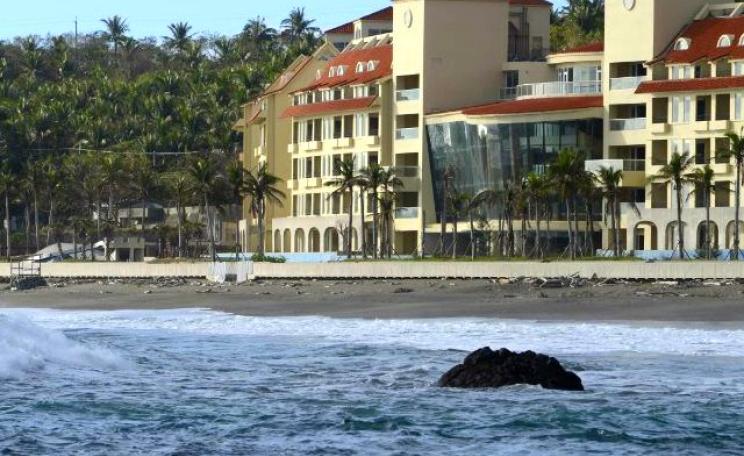
A huge hotel development has been built on a pristine beach belonging to the 'Amis, one of Taiwan's indigenous tribes, despite numerous court rulings confirming its illegality. Glenn Smith met 'Amis campaigner Sinsing, whose fight for justice began when the government handed out eviction notices to her community - and will continue until the hotel is razed and the beach restored.
This powerful book by Davi Kopenawa and Bruce Albert reveals to us the world view of the Yanomami shaman, writes Sue Branford - together with many uncomfortable insights about the horrors of mainstream modern society, seen from an indigenous viewpoint as a form of organized madness that's driving the world to destruction.
A land grab twice the size of France is under way in Ethiopia, as the government pursues the wholesale seizure if indigenous lands to turn them over to dams and plantations for sugar, palm oil, cotton and biofuels run by foreign corporations, destroying ancient cultures and turning Lake Turkana, the world's largest desert lake, into a new Aral Sea.