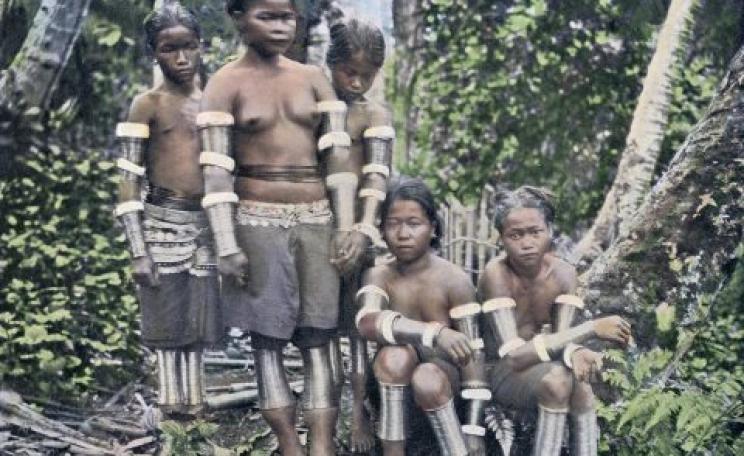
A massive sugar plantation and up to 700,000 migrant workers will occupy almost 2,000 sq.km of Ethiopia's Omo Valley, with the help of British aid finance. But the valley's native inhabitants have been given no choice in the matter, and are being forced to abandon their homes, lands, cattle, and entire way of life, or go to jail.
Native Hawaiians and others are gathering today for a peaceful protest at the ground-breaking ceremony for a huge new telescope on the 4,207 meter summit of Hawaii's 'sacred mountain', Mauna Kea.
A small fishing community in Tanzania is the victim of a land grab carried out by powerful national park officials using inaccurate maps, writes Alejandra Orozco-Quintero - even though they are part of a long-standing, successful conservation partnership. Is it all to make way for a high-end tourism development?
The eviction of Kenya's Sengwer forest people in a World Bank financed project was a failure of the Bank's duty to protect indigenous people, according to an internal report. The Bank's directors are to decide on how to respond today - but if they follow their own management's advice, the evictions will continue.
Why so few Russian representatives at the UN's World Conference on Indigenous Peoples? Officials prevented activists - some opposing Arctic oil development - from leaving the country, damaging passports and detaining them so they missed their planes.
Both the World Conference on Indigenous Peoples and the Climate Summit have taken place at the UN this week, writes Lisa VeneKlasen - each producing their lofty declarations. But what really matters is whose voices are being heard, and will be acted on, in a profound clash of worldviews.
The World Bank is considering 'reforms' to its policies to protect indigenous peoples from the impacts of projects it finances that would devolve key decisions to national governments - such as whether an ethnic group is 'indigenous' at all. If passed by the Bank's Board, the changes would strip away a raft of essential human rights protections..
Four Indian leaders who have opposed illegal logging in their forests have been shot dead in eastern Peru as they traveled by boat to an indigenous meeting in Brazil. The murders followed pleas to Peruvian authorities for protection, and warnings by Brazilian officials that the Indians were in extreme danger.
Ten years after promises of 'no mining' in Botswana's Central Kalahari Game Reserve, a $5 billion diamond mine opens a few miles from a Bushman village. Elsewhere in the Reserve, fracking is under way. And President Ian Khama, a director of Conservation International, denounces the Bushmen as 'poachers' and evicts them from their land.
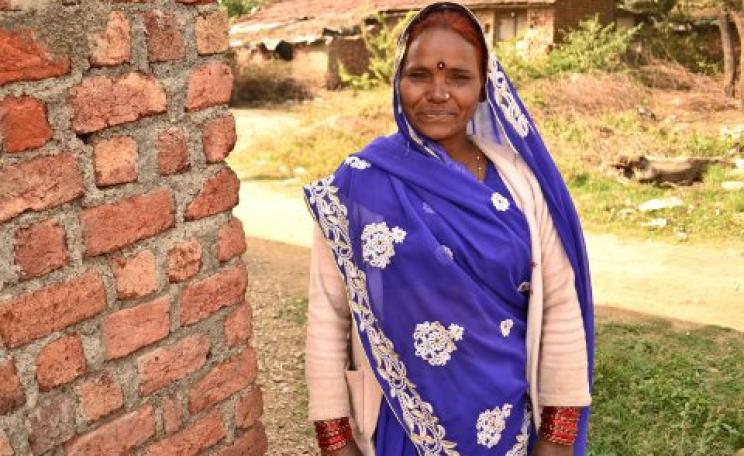
Women of an 'untouchable' caste in village India are rebelling against a life of cleaning human ordure, poverty and relentless discrimination, writes Amy Braunschweiger. Among them is Lalibai, who inherited her 'job' at the age of 12 - but has just helped to organise a protest march of 10,000 women across 18 states.
Blacks, Indigenous peoples and Palestinians are all engaged in a single struggle against a racist empire that systematically robs, colonises, impoverishes, terrorises, enslaves, imprisons, tortures and murders its subject populations. Their struggle for liberation is one, and will ultimately vanquish as the empire collapses from within.
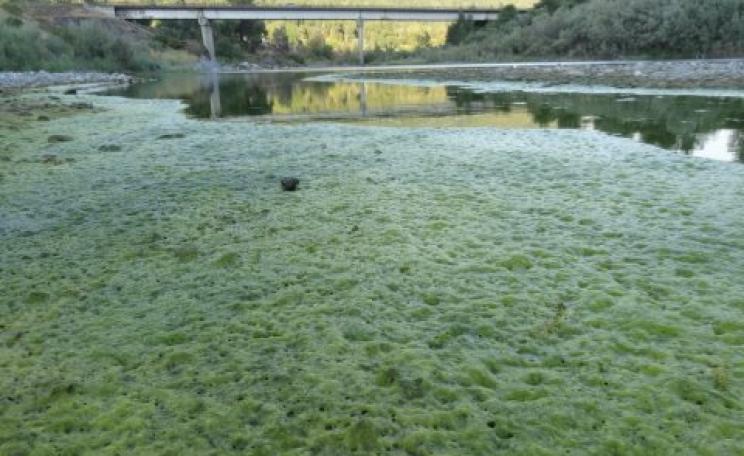
Large scale salmon deaths are imminent on the Klamath River and its tributaries in northern California due to low flows and high temperatures. Native American tribes are protesting in the state capital as federal agencies illegally prioritize water for large scale agribusiness over fish and indigenous people.
Survivors of a previously unknown Amazon tribe have escaped gunmen in Peru, seeking refuge with settled indigenous communities in Brazil. But as Alice Bayer reports, their problems are far from over. Many remain under threat in Peru, and even the refugees are at risk of common but potentially lethal infections.
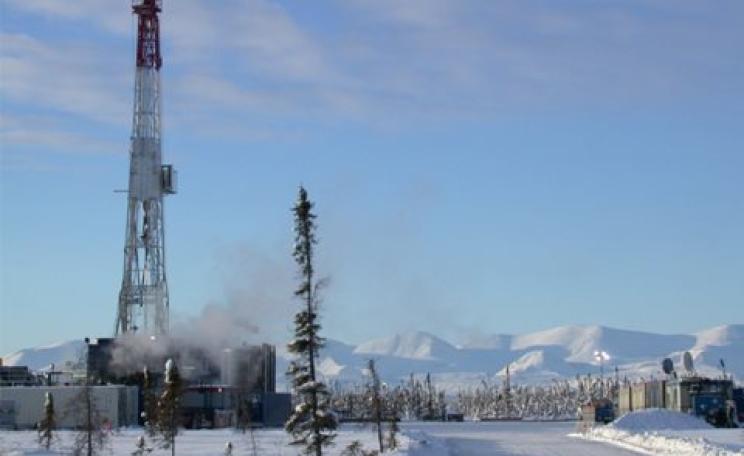
Hydraulic fracturing is roaring ahead in the Canadian Arctic, writes Ed Struzik. Companies are competing to exploit the Northwest Territories' 2-3 billion barrels of shale oil, as the NWT government ignores calls from indigenous nations and scientists for a moratorium on fracking pending an open review of its impacts.
The plight of Kenya's Sengwer people shows that carbon offsets generated by 'sustainable' forest management are empowering a corporate recolonisation of the South backed by the World Bank against its own guidelines, writes Nafeez Ahmed. Indigenous forest peoples are at risk of genocide while corporations let rip.