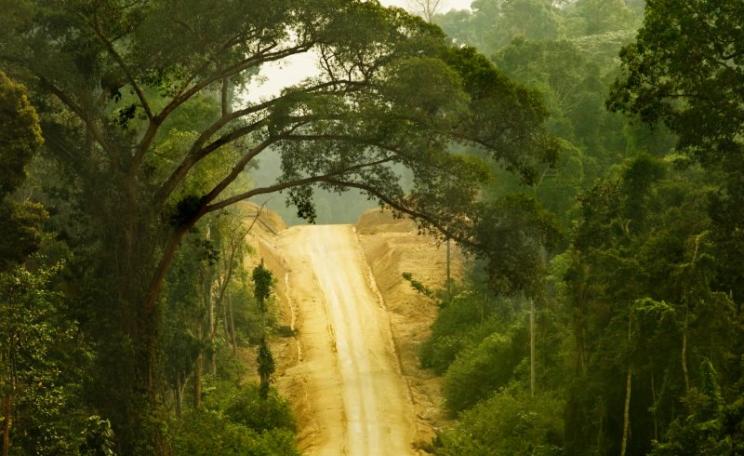
Peru is in hot competition with Brazil to be the main focus of Amazonian deforestation, writes Clément Doleac. A neoliberal government desperate to hand over the country's forests, oil, gas, minerals and indigenous lands for corporate exploitation is unafraid to break national laws, turn a blind eye to air and water pollution, and respond to any challenges with overwhelming violence.
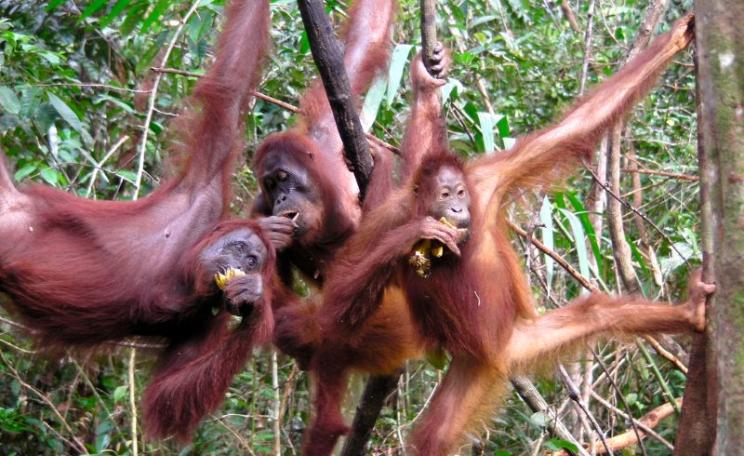
The orangutans of Southeast Asia make a fantastic symbol of endangered rainforests, writes Liana Chua, rousing public opposition to palm oil companies and their bulldozers. But this story of good versus evil omits the essential human dimension. To save the rainforests and their great apes, we must make forest peoples a key part of the conservation narrative.
As ever more companies and governments pledge to 'go green' and protect forests, the world's tribal peoples should be among the main beneficiaries, writes Amy Dickens. Yet the reverse is the case. All too often the promises are purest greenwash, used to conceal the human and environmental tragedy of land-grabbing for plantations, mines, logging and even 'conservation'.
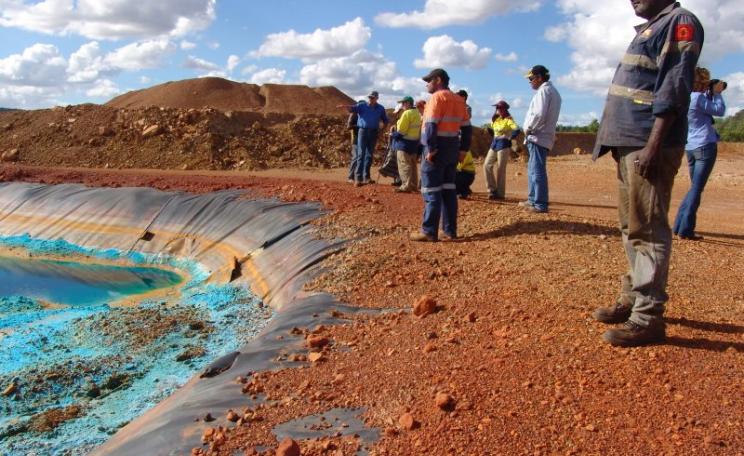
Indigenous Australians are systematically deprived of the benefits of mining and other developments, writes Seán Kerins, and being left to suffer their environmental impacts. As Abbott's government prepares a bonfire of 'red tape', it's time to put Indigenous interests first, and place their communities at the centre of decision making.
Indonesia's murderous campaign of military repression in its stolen territory of West Papua continues, writes Jason MacLeod. But a courageous 50-year struggle for human rights and freedom is finally bearing fruit, with growing recognition of West Papua's right to nationhood among its Pacific neighbours. Real hopes of a better future are rising above the blood and pain.
Guarani man Semião Vilhalva was murdered by ranchers' gunmen last weekend after his community reoccupied parts of their ancestral land from ranchers. Thousands of Guarani Indians holding on to tiny patches of their ancestral land are living in constant fear of forcible eviction.
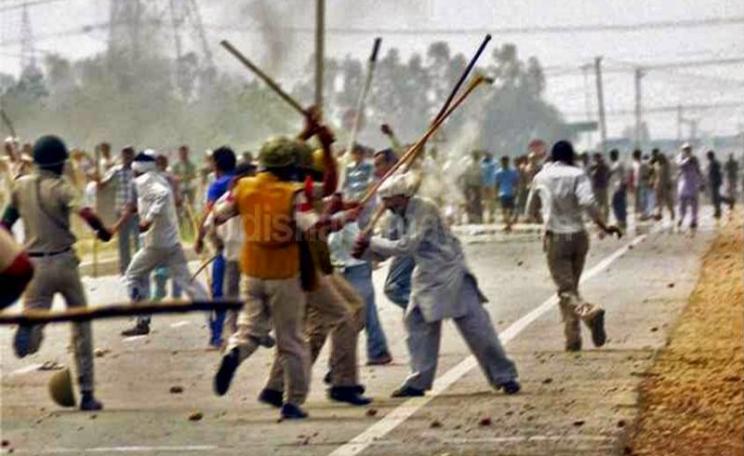
President Modi is determined to sweep away 'obstacles to growth' including the laws that allow marginalised communities to challenge the confiscation of their lands and forests for dams, mines and other 'development' projects, writes Arpitha Kodiveri. If proposed 'reforms' are enacted, the only remaining avenue of dissent may be one of armed conflict.
Based on current performance tropical forests, the world's most biodiverse ecosystems, are set to be reduced to species-impoverished fragments by the end of the century, writes Simon Lewis. But it's not inevitable. Decisive action by the world's governments in Paris in December could secure desperately needed change.
Malaysia is pushing ahead with its plans for a devastating series of 12 dams in the rainforests of Borneo that will kill a billion trees, bring death to wildlife on a stupendous scale and evict tens of thousands of indigenous people and their communities, writes Jettie Word. Now a new film honours their struggle for land, forest and freedom.
Pristine beaches, clear Caribbean waters, coral reefs, fertile land ... such is the homeland of the Garifuna people, writes Jeff Abbott. It's so lovely that outsiders are desperate to seize ever more of their territory to develop for mass tourism, oil palm plantations, illicit drug production ... and the land grabs have the full support of Honduras military government, backed to the hilt by Uncle Sam.
While households and small feel the brunt of California's drought, it's business as usual for agribusiness, writes Will Parrish. And despite the 'first user' principle that determines water rights, the state's indigenous tribes and the wild salmon on which they depend, have been left high and dry. The Public Trust Doctrine could change that - but only if the people demand it.
USAID, the UK's DFID and the World Bank are among those covering up for severe human rights abuses against indigenous peoples in Ethiopia's Omo Valley, inflicted during forced evictions to make way for huge plantations, writes Will Hurd. Their complicity in these crimes appears to be rooted in US and UK partnership with Ethiopia in the 'war on terror'.
After 20 years of oil spills, deforestation, waste dumping and ill health, farmers and indigenous people in the the Ecuadorian Amazon have been fighting the Chevron-Texaco corporation. But despite its three times conviction and a $9.5 billion damages award to the victims, the oil giant looks no closer to making good its damage.
The 1865 Treaty of Point Elliot is clear, writes Jan Hasselman: the Lummi Nation has the right to fish, hunt and gather in their accustomed places in perpetuity - and they can't do that if a gigantic coal terminal is built in the Salish Sea's most productive waters. First Nations' treaty rights are now central to protecting the Pacific Northwest from destruction by fossil fuels.
Last December Brazil's indigenous Peoples defeated the PEC 215 constitutional amendment that was meant to open up their territories for agribusiness, mining, power generation and industry, writes Chris Lang. But now, thanks to 'Chainsaw Queen' Kátia Abreu, minster of agriculture, it's back on the agenda ... and resistance is growing once again.