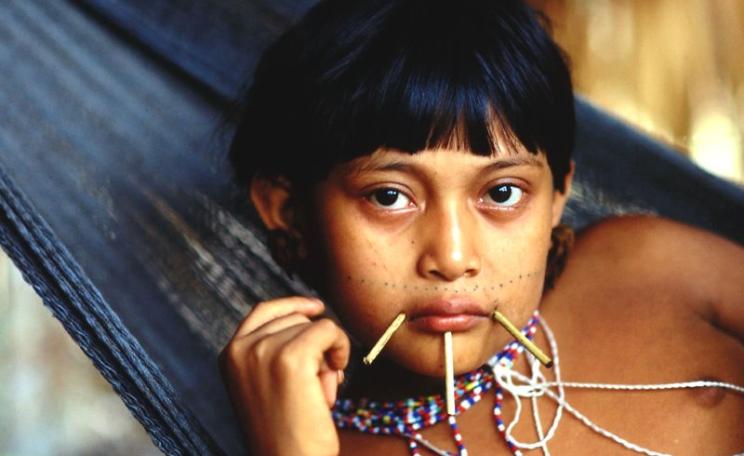
The 'brutal savage' meme has enjoyed a resurgence in popular culture and establishment narratives, writes Stephen Corry, despite abundant evidence that it's fundamentally wrong. But it suits today's dominant mindset of conquest, conflict and colonialism all too well, and serves to justify the ongoing genocide and expropriation of surviving Indigenous Peoples today.
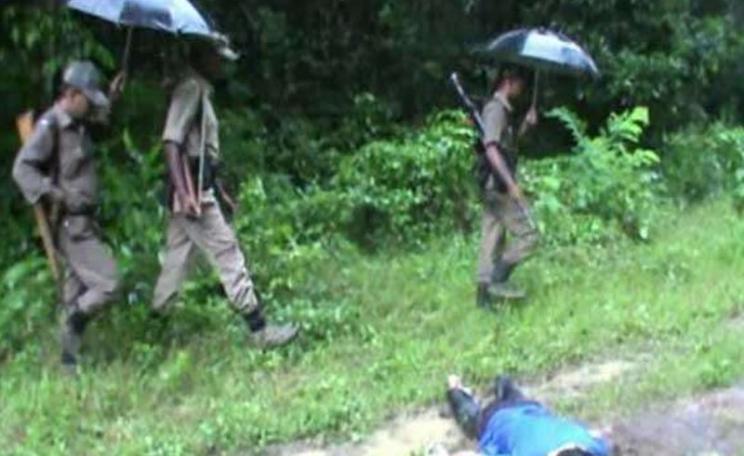
The endangered Bengal Tiger and One-horned Rhino desperately need protection, writes Lewis Evans. But in India's Kaziranga National Park, 'fortress conservation' includes a brutal 'shoot on sight' policy that is terrorising local communities, many of them tribal. Indigenous peoples are the natural allies of conservation and need to be engaged in constructive solutions - not shot!
Disregarding revelations of systemic political corruption in Brazil's hydropower sector, President Dilma Rousseff is ploughing ahead with a cascade of giant dams on the mighty Tapajos river. Among the companies touting to win huge construction contracts are France's EDF and Engie, and Germany's Voith and Siemens - in a consortium led by Brazil's Electrobras, which stands accused of high-level corruption over four other dam projects.
Australian governments have long waged a one-sided war on the continent's Aboriginal peoples, writes John Pilger. And now a new weapon has come into play: the starvation of the most remote, culturally intact communities. It's all part of a multi-faceted program of physical and cultural annihilation. And yet the world is silent.
Precious World Heritage Sites that protect vital biodiversity and human cultures are at risk from oil decelopment and other industries. Under threat are not just nature, wildlife, land and water but the 11 million people who depend on the 114 sites' environmental quality for their livelihoods.
North American buffalo are officially 'vulnerable to global extinction', writes Louise Willcox, yet the US National Parks Service and Montana are intent on their wholesale slaughter. In place of a complete ecosystem with wild-roaming buffalo and grizzly bears, wildlife managers are systematically favoring the over-abundant elk that drive the politically powerful hunting industry.
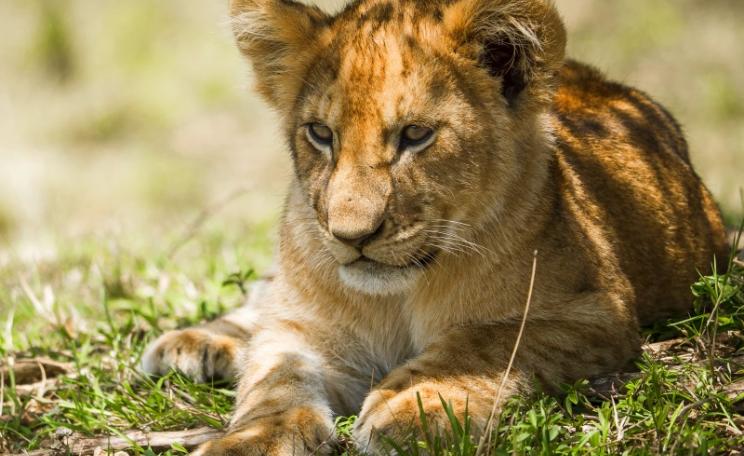
The conflict between lions and Africa's cattle herders goes back centuries, write Grant Hopcraft and Sara Blackburn - and lions have been the big losers in recent years. But where local people benefit from ecotourism, that ancient enmity can quickly be set aside. 'Community conservancies' around formal protected areas are helping both lions and indigenous communities to survive and thrive.
The rights of nature and of indigenous communities are enshrined in Ecuador's constitution, writes Kevin Koenig. But down in the Amazon the government is going full speed ahead with oil extraction on indigenous territories whose owners are committed to keeping their forests and waters pollution-free. A mighty battle is brewing that looks certain to come to a head this year.
For Saskatchewan, uranium is an important part of the economy, but for the province's indigenous peoples, the land is everything. It is filled with relationships between beings who dwell together in an interconnected web. Their traditional ecological knowledge is not just a set of terms or data, but a deep, broadly-viewed reality which contains systematic respect for all creation.
George Catlin's original vision of national parks saw them as providing a refuge for 'man and beast' alike, writes Kollibri terre Sonnenblume, giving Indians a home in the 'freshness of their nature's beauty'. But soon the National Parks Service was violating promises, treaties and contracts as it perpetrated over a century of land theft from America's Indian tribes.
Coffee may be grown all around the tropics, writes Fiona Hesselden, but it originates in just one place: the 'coffee rainforests' of the Ethiopian highlands. We depend on the wild plants for new genes and varieties, yet the forests are falling fast to the advance of farmers. To preserve the forests and all their biodiversity, the original people of the forest must receive their just rewards.
The Government of Honduras is intent on framing the only witness to the murder of Berta Cáceres as the one guilty of the crime, writes Beverly Bell. Gustavo Castro Soto, an eco-defender from Mexico, is now in effective detention in his country's embassy in Tegucigalpa in fear of his life, having himself been injured in the attack and seen the real assassin. The US Government must break its resounding silence.
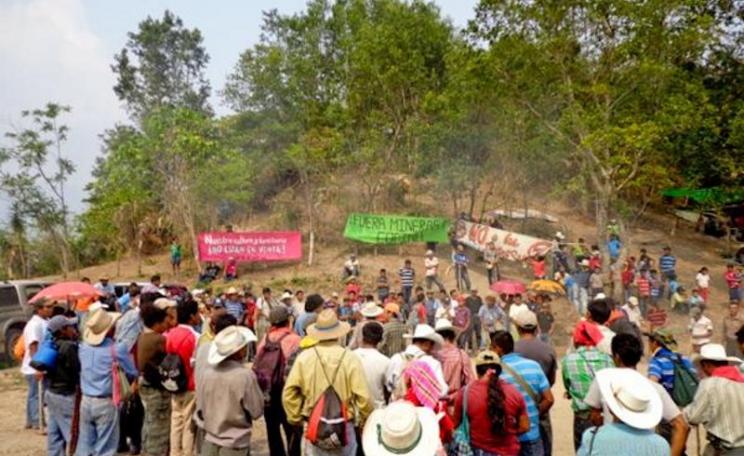
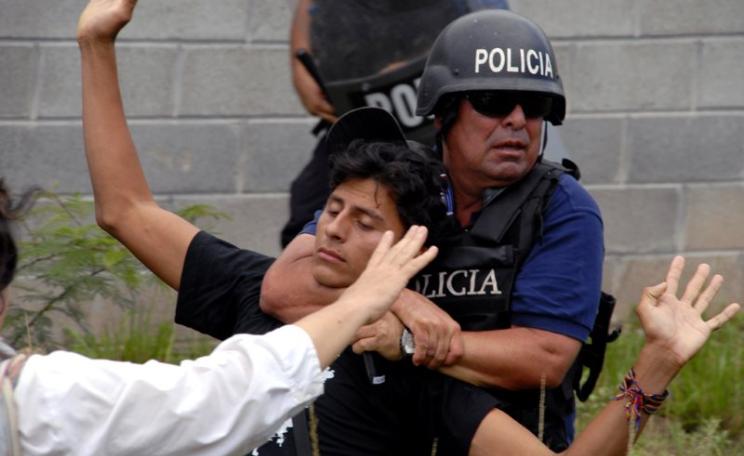
Less than two weeks after the murder of Honduran eco defender Berta Caceres, another indigenous leader has been shot dead during the violent police and military eviction of 150 families from the settled community of Rio Chiquito. International funders of the controversial Agua Zarca hydro project are now backing out..
Media furore over the shooting down of a helicopter in Tanzania masks a bigger picture of commercial hunting and evictions of indigenous tribes in the name of wildlife, writes Navaya ole Ndaskoi. It's time to rethink 'white saviour' mythology and develop new models of conservation that respect and engage with African communities, recognise their achievements, and inspire a new generation of conservation heroes.
The indigenous Wampis people of the Peruvian Amazon have demanded the immediate closure of a Petroperú oil pipeline after a series of devastating spills, writes Vanessa Amaral-Rogers. The company has already been found guilty of 'negligence' after previous oil spills contaminated the Wampis land and rivers.