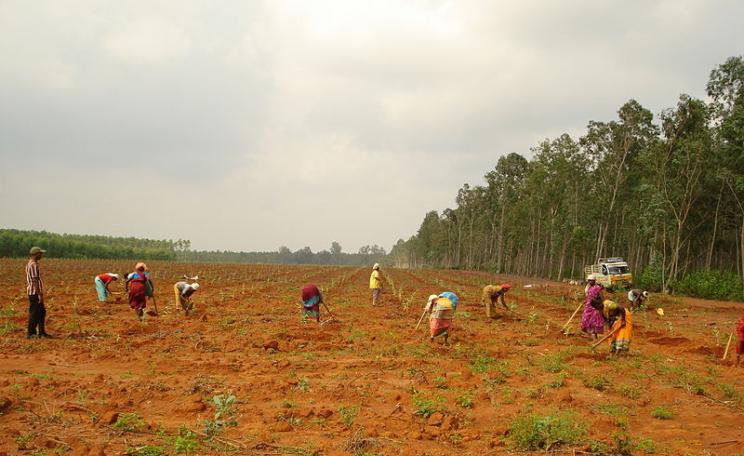
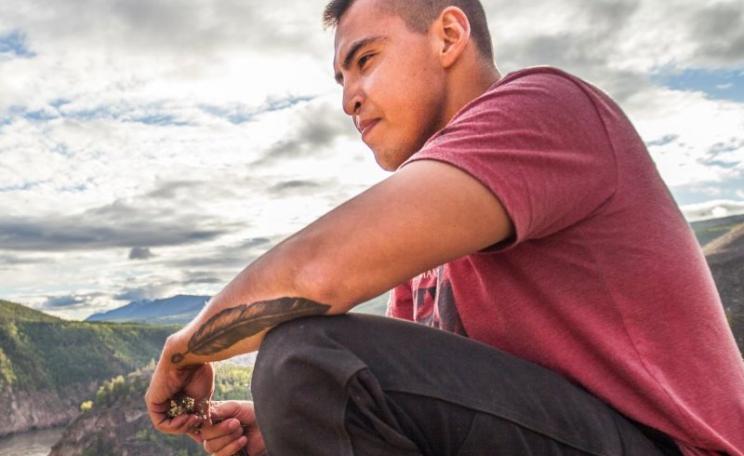
Climate change has species on the move, with major consequences for biodiversity and human communities write TERO MUSTONEN and HANNIBAL RHOADES. Building resilience has never been more important and Indigenous Peoples are showing the way
Ten villages and surrounding farmland have already been wiped from the map for a 50 sq.km airport and surrounding 'aeropolis' or airport city in West Java, Indonesia, writes Rose Bridger. And while investors are offered an 'attractive incentives plan', villagers are subject to fierce state repression and brutality. Now only a single village remains standing, but residents continue to resist eviction and demand an end to the project.
Rio Tinto's QMM mine in Madagascar was meant to be an exemplar of 'corporate social responsibility' and environmental best practice. But the reality experienced by local communities is different, writes Yvonne Orengo, with uncompensated land seizures, food insecurity, deforestation and social deprivation. New concerns are emerging about the infringement of legal buffer zones and radiation exposure. Rio Tinto must be held responsible for its actions!
Venezuela is set to hand over 12% of the nation's territory in the upper reaches of the Amazon rainforest to mining corporations, writes Lucio Marcello, with 150 companies from 35 countries poised to devastate the army-controlled 'special economic zone'. But resistance is growing, and a counter-proposal aims to protect the area's precious biodiversity, indigenous cultures and water resources in a new South Orinoco Mega Reserve.
Since 1948 the UN's Food and Agriculture has been clinging to an outmoded definition of 'forests' that includes industrial wood plantations, writes WRM in this Open Letter for delivery to the FAO today, International Forests Day. This mis-definition seriously harms real forests and forest peoples as it justifies the clearance of real forests and their replacement with cash crops of trees.
Ecuador's 'socialist' President Correa has unleashed a wave of repression at Andean communities seeking to protect their lands, forests and nature from open pit mining, writes Carlos Zorrilla. With most of biodiversity-rich Intag region conceded to international mining companies, the mood is one of rising fear and desperation in the countdown to next month's election.
Ruthless conservation policies at India's Kaziranga reserve claimed 20 lives in 2015 alone, writes Bhaskar Vira. Now, after a BBC film revealed the grim reality of life for local people, the BBC itself is in the firing line - banned from all India's tiger reserves for five years. Successful conservation must build bridges with communities - not fight them!
In law, the Shuar Arutam People of Ecuador's Amazon control their ancestral forests. But the government has allocated more than 38% of their territory to large-scale mining, and a gigantic hydroelectric dam is about to be built. Peaceful resistance has been met with a violent military occupation against a People whose only demand, set out in this Open Letter, is peace and justice.
The opposition of Ecuador's Shuar People to large scale mining and hydroelectric development in their ancestral forests has triggered a full-scale military occupation of their lands in the Amazon cloud forest, writes Jake Ling, accompanied by a surge in state-sponsored murder and violence - for which Chinese and Canadian mining companies must share responsibility.
The OECD is pursuing a complaint that WWF has funded abuses against the indigenous forest-dwelling Baka or 'Pygmy' peoples of Cameroon, after determining that its human rights guidelines do apply to WWF owing to the 'commercial nature' of its conservation activities.
Supported by state and national governments, palm oil plantations are advancing over the rainforest hills of Sabah, Malaysia, writes Sophie Chao. In their way: the indigenous Murut of Bigor, whose culture, livelihood and very lives are under threat as forests and farms fall to chainsaws and bulldozers, enriching loggers and distant investors beyond the dreams of avarice.
The US is a party to the International Covenant on Civil and Political Rights and the UN Declaration on the Rights of Indigenous Peoples, write Colin Samson & Øyvind Ravna. Both require free, prior and informed consent for any intrusions on indigenous lands and stipulate that indigenous peoples shall own and control their traditional lands. The US is violating both at Standing Rock.
Peru's Congress may soon approve a road through remote rainforest which is home to the country's last uncontacted tribes. The link to the Inter-Oceanic highway would open the area up to land grabs, wood cutting and gold mining, and expose vulnerable indigenous people to diseases to which they have no immunity.
The jobs and quick money that fracking can generate may seem initially attractive, indigenous Canadian activist Caleb Behn told Jen Stout on his recent visit to Scotland. But after decades of oil and gas production, the ineradicable legacy is of fractured landscapes and long-term pollution. 'My land is bisected, divided, by pipelines, roads, well sites, pads, all that. It's really hard on my heart.'
Brazil's indigenous peoples rose up against the government's plans to suppress the rights they had fought so hard to win over decades, writes Christian Poirier. Their victory shows the way to defend our achievements and rights: collective struggle, organized response, strong mobilization and ceaseless pressure.