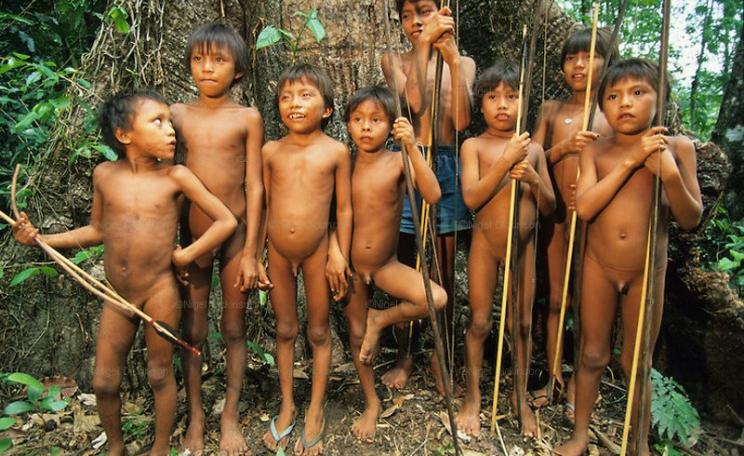
The Thai government was right to evict an indigenous community from the Kaeng Krachan National Park at gunpoint and burn down homes, a Bangkok court has ruled - even though one resident had lived there for 100 years and the Park was only created in 1981.
It's not that Dilma Rousseff, Brazil's ousted President, was wonderful for the environment, writes Ed Atkins. It's that Michel Temer's new regime is certain to be far worse. Plans are afoot to weaken environmental assessments for large projects like mines, roads and dams. And the new Minister of Agriculture is a notorious campaigner for hugely increased deforestation.
As the global assault on indigenous lands intensifies, the world's largest conservation group, the IUCN, has just voted at its World Conservation Congress for the sacred natural sites and territories of indigenous peoples to be recognised as 'No-Go Areas' for destructive industrial scale activities, writes Hal Rhoades - and for corporations to permanently withdraw from such areas.
Big conservation NGOs increasingly resemble the nature-destroying corporations they should be opposing, writes Margi Prideaux. This ideological capture is reflected in their vapid marketing to conservation 'consumers'; the serious abuse of indigenous communities they should be engaging as partners; and their willing sacrifice of core objectives to money and influence.
In the thick of the Olympic frenzy, one voice that was systematically excluded from mainstream narratives is that of Brazil's Indigenous Peoples, writes Lewis Evans, who have fought to survive through centuries of dehumanisation, theft and genocide. And now they face a fresh attack as a proposed constitutional change, PEC 215, threatens a new round of indigenous land theft.
Botswana's war on its indigenous population, the Bushmen of the Kalahari, has reached a new pitch, writes LEWIS EVANS. No longer content to arrest and intimidate them as they engage in subsistence hunting on their own land, the state has begun to shoot them from aircraft. These illegal, genocidal acts must stop!
The real reason why 'golden rice' remains uncultivated after a 20 year effort is its poor agronomic performance, write Angelika Hilbeck & Hans Herren. But beyond that, the very idea of golden rice as a 'solution' to Vitamin A deficiency fails to recognise the real causes of malnutrition - poverty, hunger and poor diet. How will golden rice reach poor children in the first place? And will they ever get the rich, oily diet they need to assimilate its fat-soluble nutrients?
Brazil's new neoliberal government is intent on building a massive new dam deep in the Amazon rainforest on the on the Tapajós river, writes Helle Abelvik-Lawson, obliterating the indigenous territory of the Munduruku people in defiance of their constitutional rights.
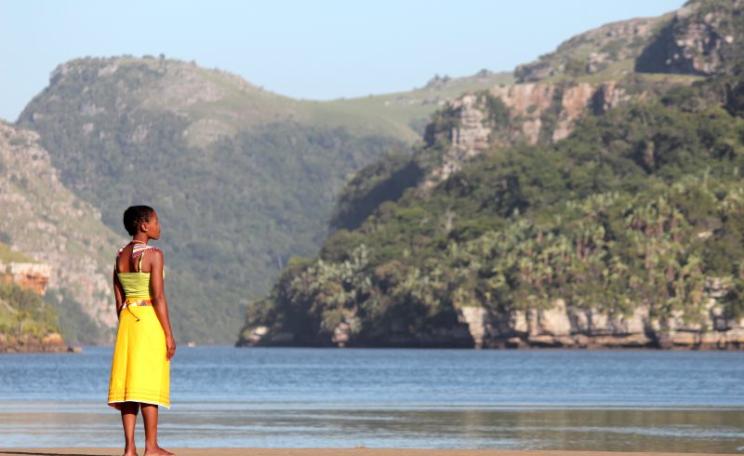
Campaigners have forced the biggest shareholder in a titanium mining project on south Africa's 'Wild Coast' to withdraw, reports Rachel Lees. But they now fear the project itself will continue under the auspices of local 'front' companies, while the big profits enrich the British and Australian investors that are the real masters of Africa's neo-colonial minerals boom.
A 7-year old boy has been shot by park guards in Kaziranga national park, India, visited in April by Prince William and Kate, which operates a strict 'shoot first' policy. The incident highlights the government's wider efforts to evict tribal peoples from their forests in the name of conservation.
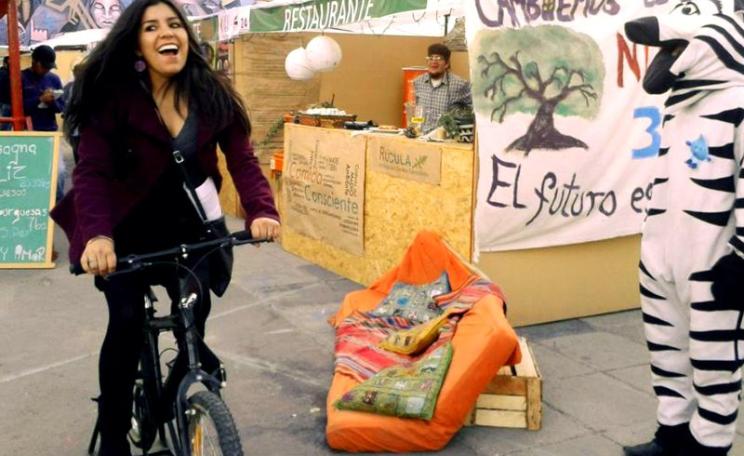
Rooted in the Andean principles of sharing, resilience and 'Vivir Bien' (Living Well), Bolivian activists in the world's highest capital city are building cooperative, grassroots alternatives to the profit-oriented economy, writes Sian Cowman. Their weekly lunch party is just the most visible way in which they are challenging the injustice of capitalism and the fragmentation it inflicts on communities.
A new dam on indigenous lands at Muskrat Falls will join a network of other hydroelectric projects spanning Innu territories across the Labrador-Quebec peninsula, writes Colin Samson. The continual violation of Innu rights imperils their ability to enjoy healthy and sustainable lifestyles - and follows in a long tradition of indigenous land theft in North America.
Australia's nuclear industry has a shameful history of 'radioactive racism' that dates from the British bomb tests in the 1950s, writes Jim Green. The same attitudes persist today with plans to dump over half a million tonnes of high and intermediate level nuclear waste on Aboriginal land, and open new uranium mines. But now Aboriginal peoples and traditional land owners are fighting back!
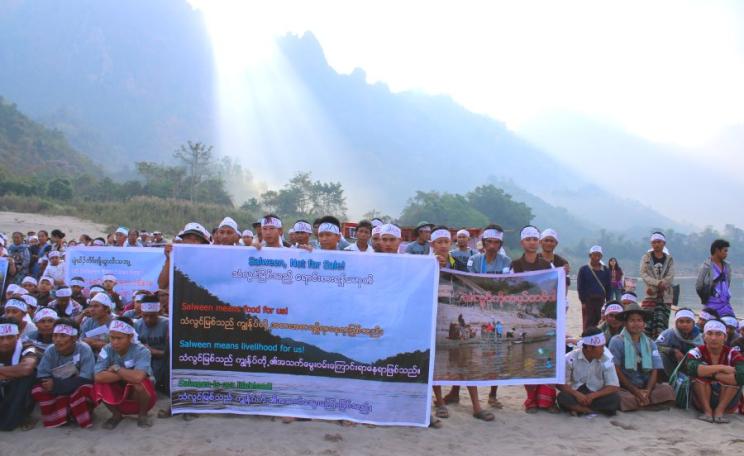
The free-flowing Salween is the last big undammed river in Southeast Asia, home to a flurry of endangered species including tigers and clouded leopards, writes Tom Fawthrop in Hpa-an, Karen State, Myanmar. And thanks to support from both the indigenous Karen people, and senior officials in China who see the huge ecotourism potential of the river and its dramatic gorge, it could just stay that way.
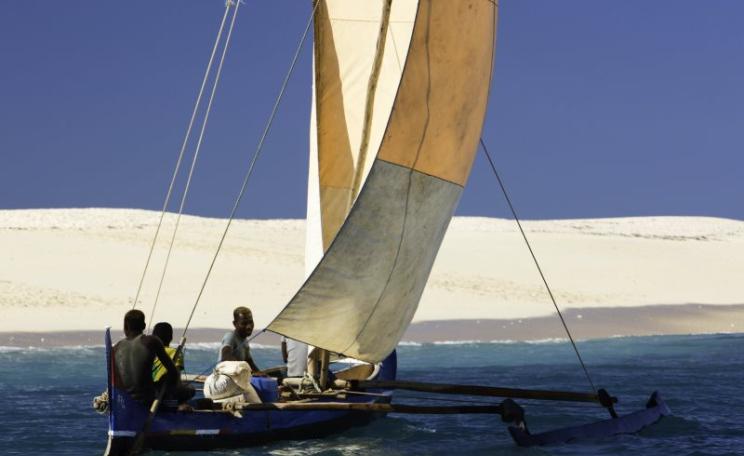
The Vezo, Madagascar's indigenous 'sea nomads', are travelling hundreds of miles to the remote 'Barren Isles', the Indian Ocean's largest locally-managed marine protected area, writes Charlie Gardner. Drawn by valuable shark fins and sea cucumbers, sold into Chinese markets, the Vezo are now joining with local fishers to protect the ecosystem and expel illegal divers.