Climate change is upon us. The Paris Agreement is an acknowledgement of the urgency and scale of the problem. But we must accelerate change if we are to have any hope of a solution. DR SANDRA PIESIK says traditional knowledge can provide further inspiration and ideas about how exactly this can be achieved
What is to be done about reactionary localism? How can we keep fascism out of local politics? We need to foreground democracy and interdependence over local autonomy. The latest on our series on radical municipalism from the SYMBIOSIS RESEARCH COLLECTIVE
The decision by MPs to support the Conservative government in allowing the third runway to go ahead has angered and dismayed all those concerned about climate change. It follows decades of debate and campaigning. MAXINE NEWLANDS looks at why the Heathrow climate camp in 2007 was so important in the history of the UK environmental activism.
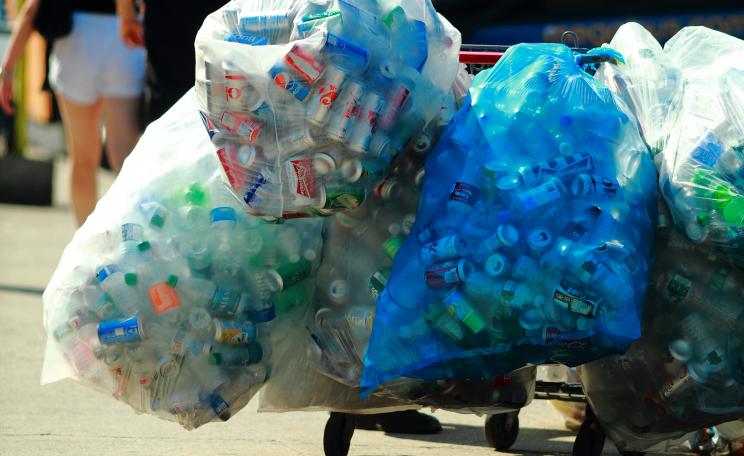
Plastic pollution is a serious issue that hurts our planet and costs the lives of millions of animals on land and at sea every year. It's our responsibility to put an end to the damage plastic is causing on our world, argues EMILY FOLK.
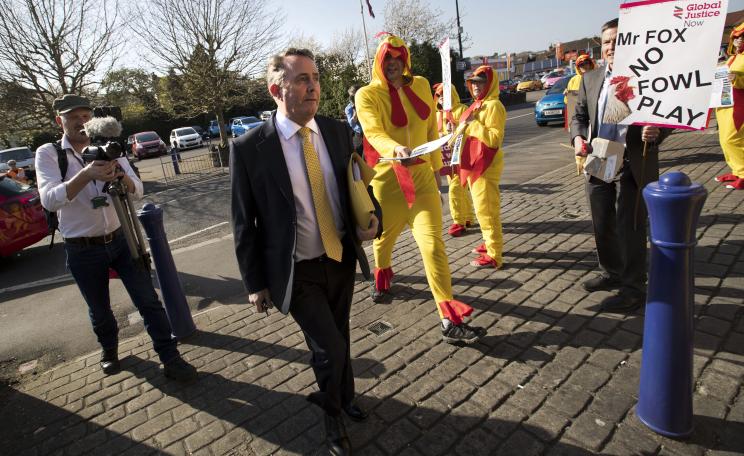
Parliament will debate Comprehensive Economic and Trade Agreement (CETA) this Tuesday. Caroline Lucas of the Green party wants to increase the democratic control of international trade. Without it, the UK may start importing GM food and more chemically treated products, warns GUY TAYLOR
It is 30 years since global warming became front-page news. Both Republicans and Democrats took it seriously. But today, the US has pulled out of the Paris Agreement. Extreme weather fuelled by an increase in CO2 has left a trail of destruction across the globe. ROBERT BRULLE examines what went wrong
We often talk about an overcrowded planet in terms of humans - but what effect does this have on animals? KAITLYN GAYNOR is the author of a new report on how more wildlife is seeking an escape from the masses by adopting a nocturnal existence
Climate change has dramatically affected sea level, and as a result, our shorelines. Creating more living shorelines could decrease the effects of climate change by helping underwater plants to thrive, writes EMILY FOLK.
A lack of infrastructure can often be a barrier to progress in many parts of the world. But a leading professor has after decades of research concluded that many of the world's biggest projects aren't fit for purpose and could ultimately do more harm than good. CATHERINE HARTE reports
Systems thinking - and in particular game theory - can provide startling new insights into how and why liberal economics is leading to a fatal depletion of ecological landscapes. It can also provide 'an alternative pathway', writes DR ROBERT BIEL
Refugee Vartan Melkonian is a world-renowned conductor and spokesman for the UN. He speaks to LAURA BRIGGS about how being born a 'street slug' in a refugee camp in Lebanon shaped his life to mark World Refugee Day
Has Twitter jumped the shark? Is Facebook now MySpace? Should environmental activists bother with social media - and does the Cambridge Analytica scandal mean we should boycott? ALESSIO PERRONE gives social media one last shot - in Part 3 of our guide for environmental activists
Environmentalist activists and major NGOs all spend a considerable amount of time on social media - as an immediate and direct connection to the public. But to what effect? ALESSIO PERRONE presents Part 2 of our three-instalment guide to getting your message across...
The alarm bells of declining bee populations worldwide have gone largely unnoticed. But a new study which will look specifically into the effects of agrochemicals on one of our key pollinators hopes its findings will help protect them well into the future. CATHERINE HARTE reports
Environmental activists and NGOs spend a considerable amount of time Facebook posting and Tweeting. But the best use of social networks is about what you want to achieve. ALESSIO PERRONE spoke to some experts in the field and gives some tips about how to use platforms successfully to promote social change