Fast fashion - like fast food - has led to serious bloating. This time it's our wardrobes and our charity shops that are stuffed - with clothes bought cheaply and easily discarded. TOM CRIDLAND is the founder of a sustainable fashion brand and a member of The Tomicks band playing as part of the fast fashion protests. He calls for radical change in our fashion industry
The government of Hawaii - once a defender of the GM corn industry - has passed a law that forces agro-chemical companies to disclose what pesticides they spray. It has also become the first US state to ban the chlorpyrifos, which has been linked to brain damage in babies. Christopher Pala reports
Australian mining companies have a poor track record operating in Africa. Australian uranium company Paladin Energy has now put two of its mines into 'care-and-maintenance' and bankruptcy looms. But who cleans up the company's mess in Namibia and Malawi, asks JIM GREEN
The House of Commons has passed a government amendment to strengthen environmental protection in the EU Withdrawal Bill. However, critics said it would still result in lower protection than the UK has currently, writes CATHERINE EARLY
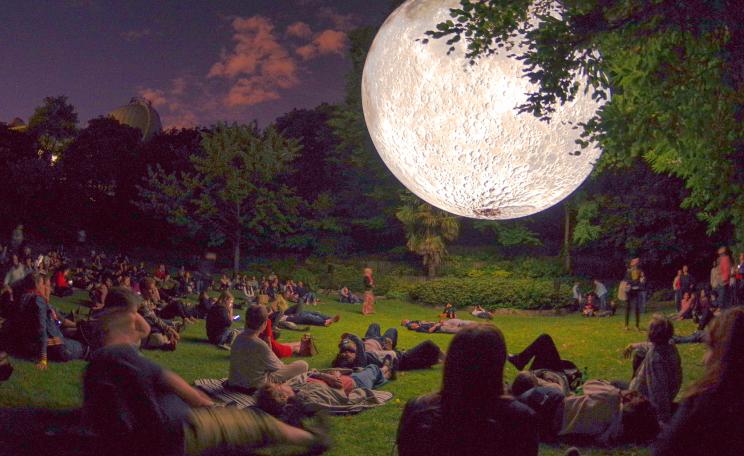
Forests play a vital role locally and globally, and a new festival taking place this summer in the UK will creatively explore this by bringing together forests, arts, ideas and music. The Ecologist will be there, and ELIZABETH WAINWRIGHT explains how you could win a family weekend ticket to be there too!
Darryl Cunnington, a former policeman and investigator for the charity League Against Cruel Sport, suffered a broken neck when attacked by men apparently engaged in preparing for illegal fox hunting. The attackers have been spared prison, reports BRENDAN MONTAGUE
The decision to leave the EU will have a major impact on environmental policy and legislation. How this will apply to the marine environment remains an issue of great debate. The British Ecological Society and Marine Biological Association came together to discuss the challenges and opportunities arising from Brexit. Dr ABIGAL McQUATTERS-GOLLOP provides a summary of the findings
We need to break down the perceived barrier between farming and the environment to restore the health of our soil and water - and of the human and non-human life they sustain. ELIZABETH WAINWRIGHT, a contributing editor to The Ecologist, argues we also need to better understand the connections between them
Relatively little is known about the toxicity of the chemicals in existence today. The EU sought to address this with the launch of the chemicals testing program, known as Registration, Evaluation, Authorisation and Restriction of Chemicals (REACH). But more than ten years on, what has the programme achieved and how reliable are its methods, asks ANDRE MENACHE
Frack Free Greater Manchester campaigners joined human rights defenders from as far as Argentina and Colombia in May to protest outside British Petroleum (BP)’s first ever shareholder meeting in Manchester, UK. HELENA COATES - a local resident - environmental campaigner and mum of two, explains why she took part
The red squirrel, wildcat and the grey long-eared bat are all under severe threat, according to the first comprehensive review of their populations for more than 20 years, writes CATHERINE EARLY
The endless stream of adverts, arguments and antagonism on social media must have an impact on our wellbeing. But what can we do? Natural Happiness author ALAN HEEKS explores how a potent mix of creativity, spirituality and time in nature can bring connection, inspiration and better health
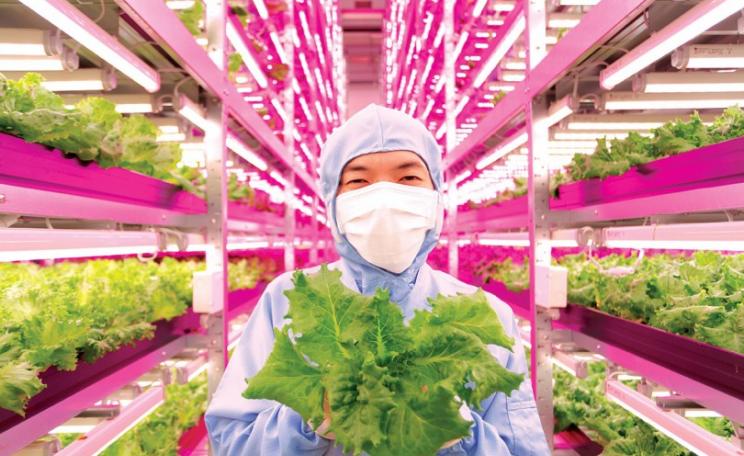
Food scarcity is an issue that affects people around the world. Developing countries often struggle the most with food scarcity, but sustainable farming techniques could change their food system and lead to economic development and environmental protection. EMILY FOLK investigates
The Anthropocene appears to be an epoch of destruction and extinction. But professors SIMON L LEWIS and MARK A MASLIN, authors of Human Planet argue that two simple and increasingly popular ideas - the Universal Basic Income and Half Planet - could finally transform human society into a sustainable - and pleasant - place
Today marks the launch of World Meat Free Week where 200 million people globally will be asked to skip just one meaty meal. The impacts on climate change and the environment will be significant. And some people may even try new, delicious vegan food, writes BRENDAN MONTAGUE