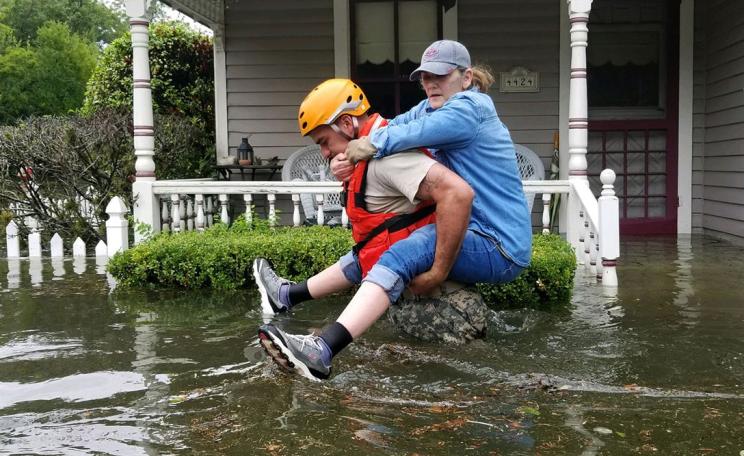
Hurricane Harvey is likely to end up being one of the most costly disasters in US history. It is also likely that climate change and population growth in the region have worsened the effects of this major storm, argues ANDREW KING
Slowly the incidence of bTB in Cumbria has increased without any real outcry from the agricultural lobby. Why then, at the beginning of this month (August), has all of this information suddenly become news asks LESLEY DOCKSEY
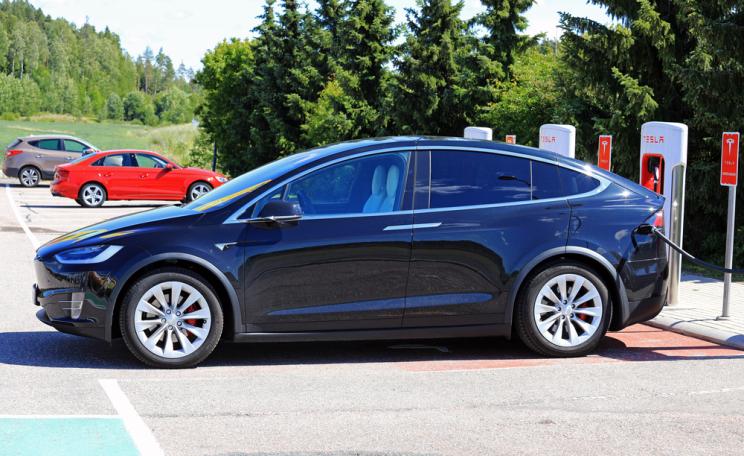
Environmental campaigning groups including Greenpeace and WWF publish a joint report today calling on the UK Government to bring forward the proposed ban on petrol and electric cars to 2030.
JOE WARE reports
The devastating impacts of climate change can sometimes be to terrible to contemplate. The fact that cava, the popular alternative to Champagne, may be under threat should be sobering enough for dinner table discussions. DAISY DUNNE reports
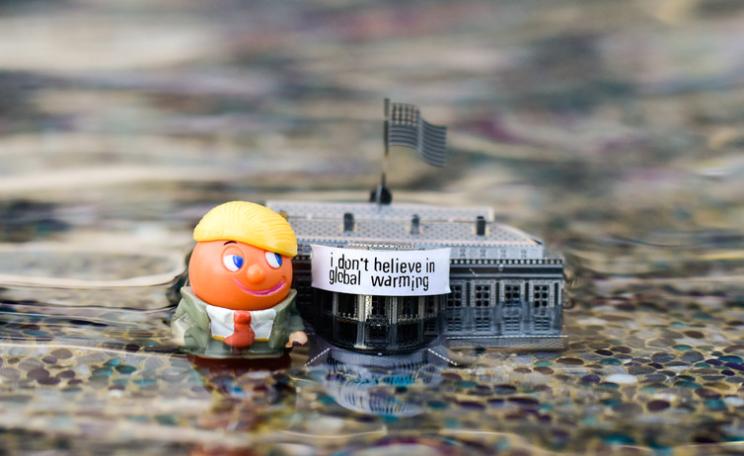
Donald Trump has walked away from the Paris Agreement and environmentalists are having to deal with a climate denier occupying the White House. The best way to reach out to Trump supporters may be to warn against local pollution rather than talk about icebergs or atmospheric science, argues energy politics expert TAE HOON KIM
Throughout history, Islam has contributed innovative ideas that have helped advance world civilization. The al Hima initiative in Jordan is one such example. This ancient practice is currently being revived as a land management (natural resource management) strategy in pastoralist areas of the Middle East and North Africa and is being seen as a bulwark against climate change, desertification and drought. CURTIS ABRAHAM reports
Human induced climate change will have many effects on people’s homes, livelihoods and current way of living. But what happens with the millions that will be displaced? ARTHUR WYNS takes a look at Bangladesh, a low-lying country of delta’s marshes and Sundarbans that is at the forefront of dealing with climate migration.
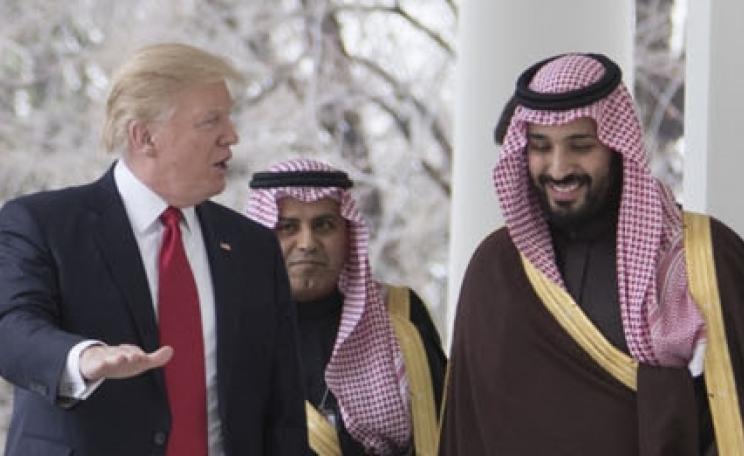
The sale of a slice of Saudi Aramco will be the biggest initial public offering (IPO) in human history. The Crown Prince believes his company is worth a total of $2 trillion. But investors must consider current low oil prices and climate mitigation policies when assessing value. BRENDAN MONTAGUE reports
A third of food produced globally is wasted - with over 2 million tonnes of fresh fruit and veg each year never reaching a shop shelf in the UK. This level of waste is staggering, especially when we consider all the energy and resources that went into producing the food in the first place. ILANA TAUB is on a mission...
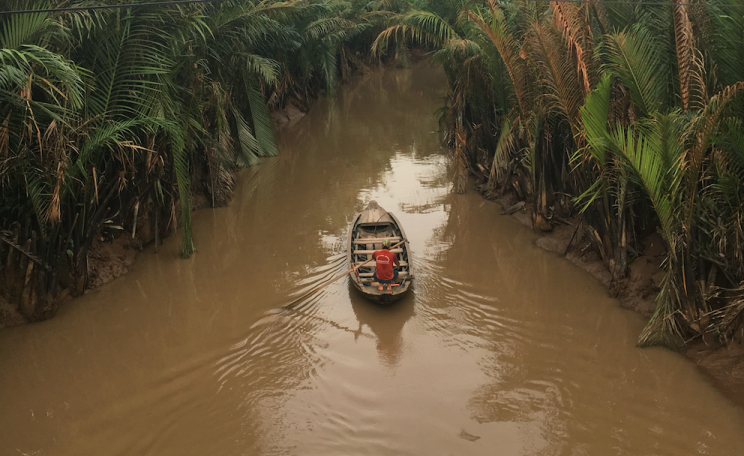
Climate change its causing flooding and droughts that damage agricultural land in the Mekong Delta region of Vietnam. The "rice bowl" of Asia produces 57 percent of rice production for the country - including 80 percent of its exports. ROBYN WILSON met the farmers facing ruin.
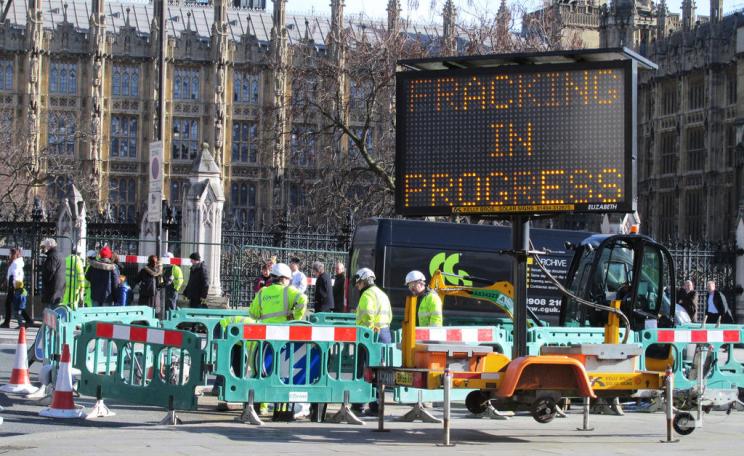
We’re 55 million years too late for hydraulic fracturing to work in the UK, claims Professor John Underhill, the chief scientist at Heriot-Watt University. BRENDAN MONTAGUE reports
Semi-wild 'Dartmoor Hillies' have a unique genetic signature which allows it to survive in challenging habitats. But the ponies are now under threat due to their human neighbours, reports GILLY SMITH
The US has ended its funding to the Intergovernmental Panel on Climate Change despite the serious national security implications for the country, argues BRENDA EKWURZEL
A collapse in the price of uranium has not yet stopped Australian mining company GME from trying to press ahead with a massive open-pit uranium mine on an Arctic mountain in southern Greenland, writes Bill Williams - just returned from the small coastal town of Narsaq where local people and Inuit campaigners are driving the growing resistance to the ruinous project.
The Shock of the Anthropocene has been translated from French into English and published by Verso. NATALIE BENNETT, the former Green Party leader, explains how it is an important, informative and interesting book which all ecologists should read.