If you live or spend time in the UK countryside it may have been some time since you spotted the native brown hare - if you've ever seen one at all. That's because the hare relies on an increasingly disappearing biodiverse landscape for its food. LAURA BRIGGS talks to the scientists behind a new study investigating what type of planting - including bioenergy crops - will help stop hare populations from continuing to decline
So the Trumpapocalypse has happened. He has finally withdrawn the US from the Paris climate agreement. Understandably there is righteous anger around the Globe over such a reckless act of climate vandalism, which imperils the natural world and the lives and livelihoods of millions of people. But here's the good news, it may prove to be just the kick up the jacksie that we needed, writes JOE WARE
With growing evidence of harm to physical and mental health caused by continuous pulsed em radiation from 'smart' electricity meters, Lynne Wycherley asks: have we underestimated risks to heart function and the nervous system? And of interference with embedded medical devices, such as cardiac pacemakers? It's time to switch to over-wire or fibre communications to bring the 'smart green grid' of the future to electrosmog-free reality.
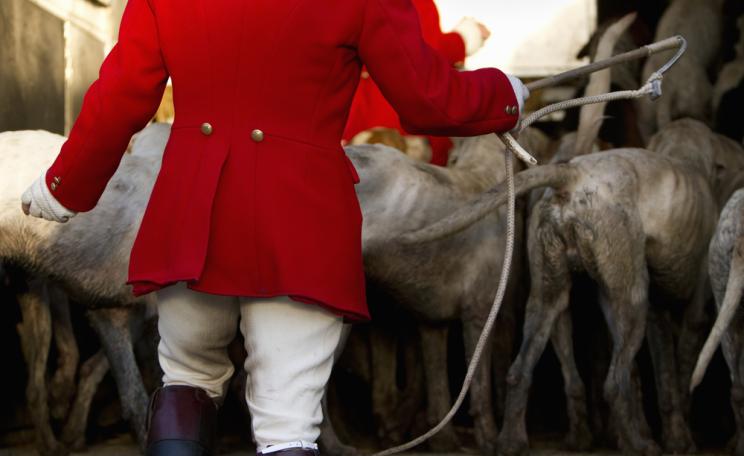
Theresa May's suggestion that she was going to allow a free vote in Parliament on repealing the Hunting Act met with howls of outrage , not least from vets concerned about animal welfare. Dr Iain McGill (who spoke at the recent Keep the Ban protest) and his colleagues write here about her ignorance on hunting and, given the Kimblewick hounds issue, the danger posed by making hunting legal again.
Professor Tim Jackson - author of the acclaimed Prosperity Without Growth - and a policy advisor to the Labour Party and Whitehall, tells ARTHUR NESLEN the big question in the final countdown to the General Election on Thursday is whether the UK's groundbreaking Climate Change Act can survive Brexit
There's a certain irony that the publication of a new anthology of poems about trees coincided with President Trump's announcement yesterday that the United States would withdraw from the Paris Agreement on climate change, writes HARRIET GRIFFEY
Polish activists have this week chained themselves up to machines used to cut a 9000-year-old forest in a bid to stop the destruction of trees for what is clearly commercial gain. NICK MEYNEN reports
President Donald Trump stunned the world yesterday (June 1, 2017) by announcing his intention to withdraw the United States from the Paris climate accord - a landmark global agreement to lower greenhouse gas emissions and minimize the harm from climate change. The Conversation has assembled a panel of American academics and scientists to analyse what this dramatic move means for the planet, U.S. businesses and the world's poor...
President Trump's withdrawal of the US from the Paris climate accord - a decision designed to satisfy his campaign pledges - will go down in history as significantly anachronistic and self-harming, writes FREDERIK DAHLMANN
As we wait to learn whether (later today) Trump will pull the US out of the Paris Agreement, Remo Bebié of Finance Dialogue shares his briefing report of the what is being seen as growing demands that oil companies incorporate the international deal in their business models
No More Styrofoam presents the WooBox - a new alternative to the use of Styrofoam in food transportation - and a Serbian project that is supported by a crowdfunding campaign that launches today (1st June 2017). LAURA BRIGGS reports
London-listed copper giant Antofagasta has been entangled in scandals in Chile involving water depletion, dangers to local communities, corruption of national politics and environmental contamination, write Ali Maeve & Liam Barrington-Bush. Yet the London Stock Exchange remains silent. Following the company's AGM last week, a new London Mining Network report puts their actions and operations into the spotlight.
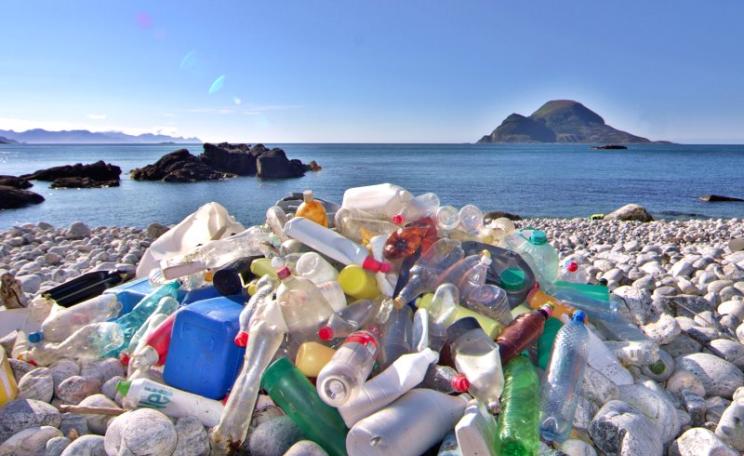
With the UN Ocean Conference beginning in New York next week, Elizabeth A Kirk asks: can we devise a legal system that promotes the ecological resilience of the oceans? To do so will mean placing ecosystems at the heart of decision making, over and above countries' selfish 'national interests'. It will be tough, but if we fail it's hard to see how the gamut of problems - from ocean acidification to plastic pollution and overfishing - can ever be solved.
Ecuador is the latest country to tear up 'free trade' agreements that have so far cost the country $21 billion in damages awarded to foreign companies by 'corporate courts', and yielded next to nothing in return, writes Nick Dearden. So the outgoing President Correa did the only sensible thing: in one of his final executive acts this month, he scrapped 16 toxic trade and investment treaties.
By shifting from globalisation to localisation, and creating smaller, self-sufficient communities within sustainable developments, cities could regain their equilibrium, writes Paul Jones. From where we stand today, the Organicity may sound like a Utopian dream. But if we're to avoid an urban apocalypse, we're going to need strong alternative visions, to change the way we imagine and plan for the cities of the future. Too good to be true? Or the way to human survival?