Has Monsanto, dubbed the 'world's most evil corporation', turned a new leaf? It has taken the 'probably carcinogenic' glyphosate out of a new version of its market leading 'Roundup' herbicide, and replaced it with vinegar. The bad news is it's only available in Austria. That, and it may still contain toxic 'adjuvants' to increase its effectiveness.
The months-old protest at Preston New Road, Lancashire, is no longer just about fracking, writes Mat Hope. This dispute is now about London versus the North. It is about the government failing 'the people' from which it has become detached. It is about people sensing hopelessness and helplessness and trying to find a means to resist. And it is about holding on, steadfast, in spite of it all, knowing this is the forgotten frontline of a far greater struggle.
The mighty Asian Development Bank is celebrating its 50th birthday this week in Yokohama, Japan, writes Hemantha Withanage. But the victims of ADB's $3 billion coal funding have little to be glad of - whether local communities impacted by mines and power stations, or people everywhere suffering climate change. ADB must stop financing coal now!
From child-soldier to Netflix star, the Congolese park ranger has won his award for stopping oil exploration in the Virunga National Park. He talks to SOPHIE MORLIN-YRON
The political events of the last year are cause for sorrow, for reflection, and for reorientation. But they're also cause for a Green reboot. And fortunately, the UK's upcoming election on June 8th gives us just such an opportunity, writes RUPERT READ
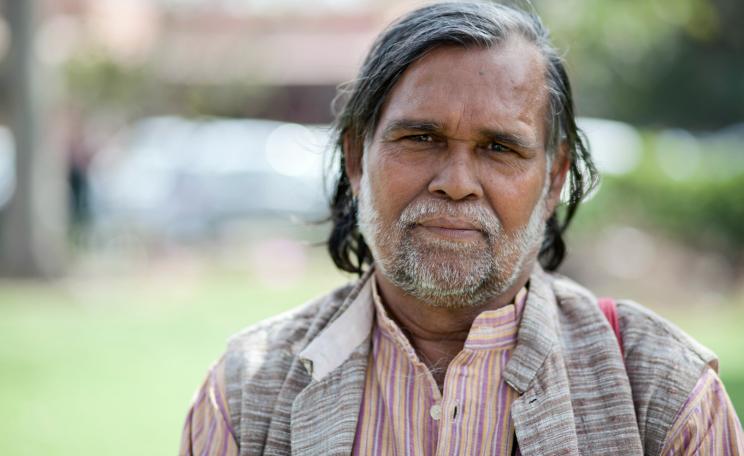
Meet the man securing justice for the Dongira tribe's sacred hills...in the first of her profiles of two of this year's winners, SOPHIE MORLIN-YRON interviews the recipient of the Goldman Environmental Prize for Asia
A $4m plan to move 80 rhinos from South Africa to Australia is inept, patronising, a waste of scarce resources that contributes nothing to conservation, and betrays an outdated neocolonial mindset, writes Matt Hayward. The money should be spent on successful but underfunded community-based rhino conservation initiatives in Africa that benefit entire ecosystems.
The real nature of war and its impacts on people and environment can only be understood through its ecology, surgeon Gus Abu-Sitta tells Andre Vltchek: the causes of conflict, the dynamics that sustain it, the corporate and strategic interests bent on its perpetuation, the deliberate destruction of health provision, and the repeating cycles of infection, injury, poverty and human misery which have become a permanent reality for uncounted millions.
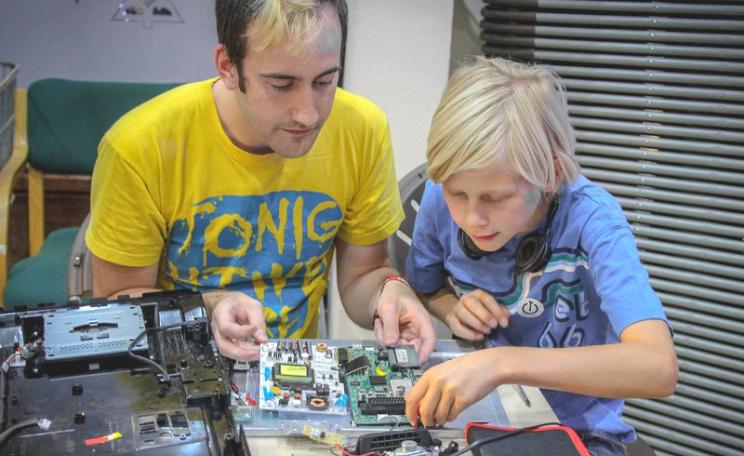
The ability to repair malfunctioning machinery from toasters and computers to bicycles and lawnmowers is essential to avoid all the waste, expense and pollution of dumping consumer goods prematurely, write Christine Cole & Alex Gnanapragasam. Many of us how no idea how to even begin doing that, but a new 'repair revolution' is sweeping the UK and other countries, with free-to-attend pop-up parties where you can learn the skills and fix your broken stuff.
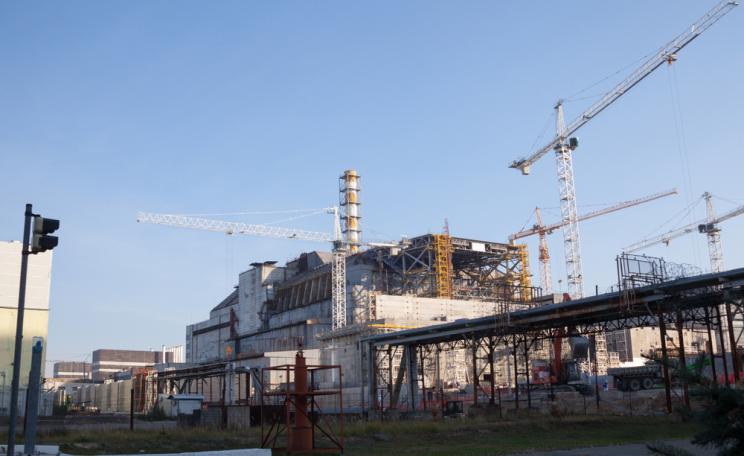
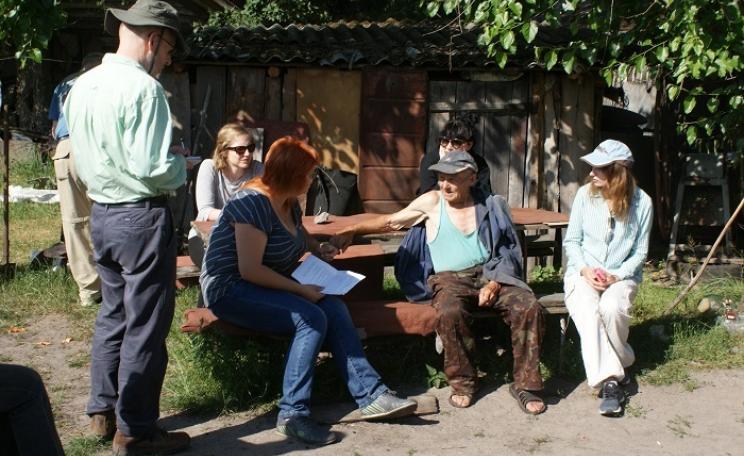
The world remembers Chernobyl every April, especially on big anniversaries, but for some people the disaster and its aftermath remain a part of their everyday lives, write David Moon & Anna Olenenko. In this special interview for the 31st anniversary of the catastrophe, one of the last returnees explains what it was like to leave after the disaster, and to come back to an environment transformed in surprising and unwelcome ways.
It's barely mentioned in the election campaign or reported in the media. But a powerful faction of Tory ministers, ex-ministers and backbench MPs are bent on using Brexit to ignite a massive bonfire of 'spirit-crushing' laws on wildlife protection, air and water pollution, pesticides, renewable energy and public health, writes Brendan Montague. At risk are not just EU directives and regulations but even the UK's own Climate Change Act. May's Brexit may not just be hard, but very, very dirty.
A new study explains for the first time how nanoparticles like those in diesel exhaust fumes cause heart disease by lodging in inflamed blood vessels, writes Oliver Tickell. The study, published as the UK government is ordered before the High Court to justify its refusal to publish plans to tackle illegal air pollution which afflicts 38 million people, also raises wider fears about 'engineered nanoparticles' in the environment.
Brazil's extreme right wing government is preparing to open up the rainforest territories of dozens of uncontacted indigenous tribes to 'free for all' development by defunding the protection they currently receive, according to information received by Survival International, which warns: 'The reality is these cuts could sanction genocide.'