Who are the best guardians of forests and other wild places? Governments? Conservation NGOs? Corporations? No, writes Prakash Kashwan, it's the indigenous peoples who have lived in harmony with their environment for millennia. But to be able do so, they must first be accorded rights to their historic lands and resources, both in law and in practice. Among the countries leading the way, Mexico. Among the laggards, Kenya and India.
The world must drastically reduce the amount of CO2 in the atmosphere, writes Simon Redfern - and we can't do it by cutting emissions alone. But we could we do it 'nature's way', using volcanic rocks and mining wastes that naturally soak up CO2 from the atmosphere and ocean, and turn it into harmless forms like limestone and dissolved bicarbonate.
A new study in Pennsylvania, USA shows that fracking is strongly related to increased mortality in young babies. The effect is most pronounced in counties with many drinking water wells indicating that contamination by 'produced water' from fracking is a likely cause. Radioactive pollution with uranium, thorium and radium is a 'plausible explanation' for the excess deaths.
Five international judges say Monsanto's activities have negatively affected individuals, communities and biodiversity, writes Claire Robinson. The Monsanto Tribunal's damning ruling denounces the company's harmful impacts on food sovereignty, agricultural production, access to nutrition, the natural environment, seed diversity, climate change, pollution and traditional cultural practices.
Activists in Gloucestershire are battling to block the construction of a massive incinerator that they see as a blight on the landscape, costly, polluting, wasteful and undermining recycling, writes Dan Hinge. Now the fight, backed by superstar actor Jeremy Irons, just entered a new phase after a tribunal forced the County Council to reveal essential details of the contract it had signed.
Climate change has species on the move, with major consequences for biodiversity and human communities write TERO MUSTONEN and HANNIBAL RHOADES. Building resilience has never been more important and Indigenous Peoples are showing the way
A Unison survey of UK meat hygiene inspectors found that, last year, 51% of respondents had been the victim of bullying and harassment. One inspector said the situation was so bad he had considered suicide. Campaigning reporter, ANDREW WASLEY investigates
The government / NFU badger culling policy is based on a single study, the Randomised Badger Culling Trials (RBCT), which found that area-wide badger killing reduced TB 'breakdowns' in cattle herds. But a robust reanalysis of the RBCT data reveals that culling is entirely ineffective, writes Tom Langton. The only scientifically valid conclusion is that culling badgers has no effect on TB in cattle. Defra and Natural England must think again!
Never mind the climate idiocy that has gripped the USA! Global emissions are already flatlining, writes Joe Ware, and a new initiative just launched in London aims to start pulling them down by 2020. Sure it's ambitious, but it's possible - because the future is unlike the past, and it's already happening, right now. Are you up for the challenge?
Permafrost is much more sensitive to warmer temperatures than previously known, writes Alex Kirby. A new study shows that every 1C of warming could melt 4 million sq.km of frozen soil, releasing huge amounts of methane and carbon dioxide to add to the warming. It's time to start meeting those Paris targets!
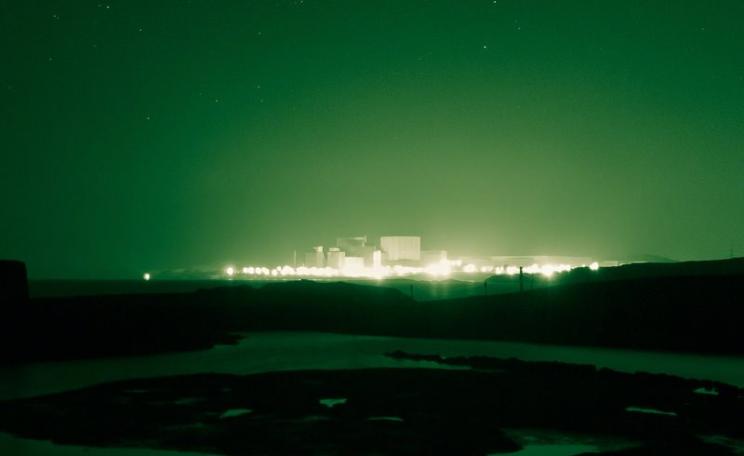
Nuclear power was originally sold on a lie, writes Dave Elliott. While we were being told it would make electricity 'too cheap to meter', insiders knew it cost at least 50% more than conventional generation. Since then nuclear costs have only risen, while renewable energy prices are on a steep decline. And now the nuclear behemoths are crumbling ... not a moment too soon.
Myths of a pagan past in harmony with nature have been a feature of green nationalism, writes Peter Paul Catterall, from its beginnings through to the Anastasia ecovillages in contemporary Russia where - unlike their equivalent hippy communes found in the West - sustainable living is combined with a 'reactionary eco-nationalism'. Could it happen here too?
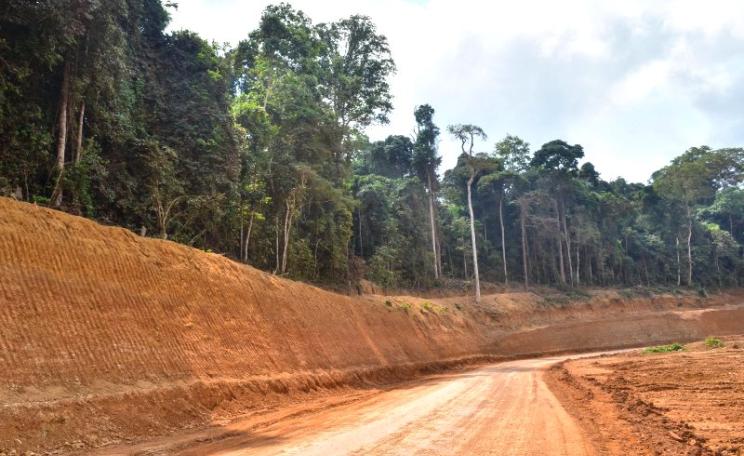
As China pursues a startling array of energy, mining, logging, agricultural, transport and other infrastructure projects on virtually every continent, it is having an unprecedented impact on the planet, writes William Laurance. It's not that China is any worse than historic colonial powers - the difference is in the sheer scale and pace of environmental destruction, and the total lack of oversight under which Chinese mega-corporations operate.
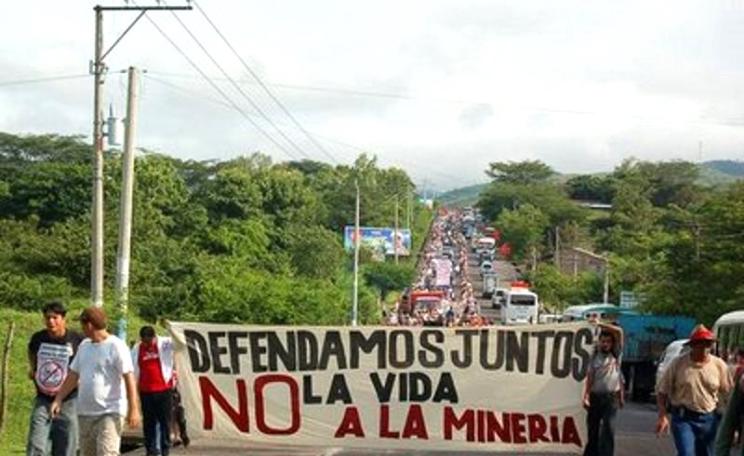
Mining was imposed on the Salvadoran people as a dream industry to aid development, create jobs and yield taxes to pay for schools and hospitals, write Ricardo Navarro & Sam Cossar-Gilber. But the reality was a nightmare of polluted water, stolen farmland, corporate violence, and murder. After a long campaign, El Salvador has just become the first country to ban all metal mining.
'Smart meters' looked like a great idea, writes Lynne Wycherley, giving us more control over our energy use. The downside? They emit as many as 14,000 short bursts of intense microwave radiation a day, disrupting cellular electrochemistry and causing health symptoms from migraine to tinnitus, insomnia, dizziness, anxiety, chest pain, palpitations and memory loss. Now a growing number of 'electro-sensitives' have had enough!