A fresh wave of logging is hitting America's national forests, writes Brett Haverstick. But this time it's all for the sake of 'forest health' and 'fire prevention'. It might look like industrial clear-cutting to you and me, but really, it's in a good cause. And if the forests and precious ecosystems they harbor just happen to perish in the process ... well ain't that just too bad?
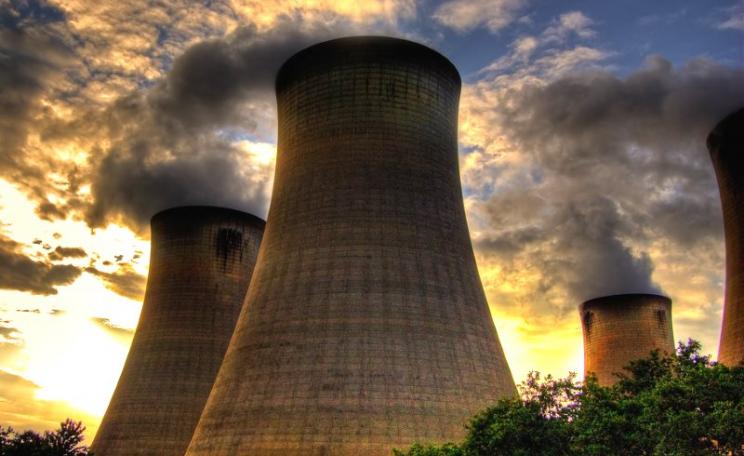
The Drax power station in Yorkshire is the UK's biggest CO2 emitter, burns more wood each year than the entire UK timber harvest, and is a major importer of coal from strife-stricken regions of Colombia, writes Frances Howe. This Thursday campaigners will target the company's AGM to highlight its impacts on forests, biodiversity, climate and communities, in the face of Drax's PR offensive to make biomass appear 'sustainable'.
British firms lie deep at the heart of the Dakota Access Pipeline controversy, writes Amy Hall. Barclays, HSBC and the Royal Bank of Scotland have lent $800m to Energy Transfer Partners and its subsidaries, London-based Commercial Bank of China has loaned $120m, and RBS $250m, while HSBC and Barclays own over $110m worth of shares in project partner Phillips 66.
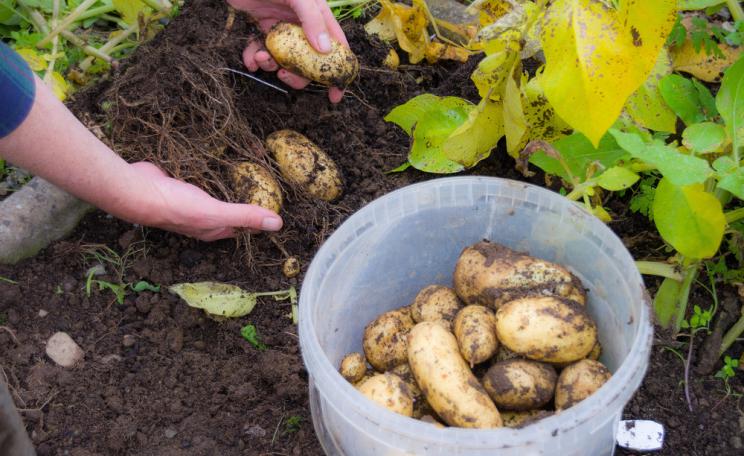
There's only one real faultline in farming, writes David R. Montgomery, and it's not the one between organic and 'conventional'. What really matters is whether farming systems are building, improving and nurturing soils - or exploiting them for short term gain. And if we want to keep humans well fed and healthy for the long term, there's only one choice to make.
Ethical foodie columnist TIM MADDAMS points the finger at fishing practices which may tick the sustainable criteria boxes but which perpetuate an environmentally damaging broken food production system when you take into account the bigger picture
Grow for Syria is a new UK-based campaign bringing gardeners across the South West together to fundraise for Syrian refugees by selling plants, seeds and other garden-related items. LAURA BRIGGS explains how you can get involved
Information from Colombia's National Hydrocarbons Agency shows that at least 43 new fracking concessions have been handed out to multinational companies including Exxon Mobil, ConocoPhillips and Drummond. These concessions affect over three hundred municipalities, in the departments of Cesar, Santander, Boyacá, Cundinamarca and Tolima. SEBASTIAN ORDOñEZ and DANIEL MACMILLEN VOSKOBOYNIK report.
The Bovine TB conference in London last week was disrupted by media reporting of scientific conflict over badger culling studies, writes ecologist Tom Langton. But the real story is the collapse of confidence in the Randomised Badger Culling Trials, used to justify the mass killing of badgers; and the emergence of reliable new TB tests. The simple solution: stop the cull, and spend the money on gamma interferon cattle TB testing.
Pollution caused by burning fossil fuels are already causing the premature deaths of 200,000 people a year - in the US alone, writes Pete Dolack. Add up the figures worldwide and it comes to many millions. And that's before we even count the catastrophic long term impacts of global warming. The US response: to loosen anti-pollution regulation and encourage increased oil, coal and gas production.
The Conservation Optimism Summit, (taking place on 20th-22nd April), is gathering together some of the biggest names in conservation to share the oft-neglected triumphs. Stories of mass reforestation and renewable technologies might not get a look-in on the front pages, but they constitute a breath of fresh air writes MARCUS NIELD
The whole idea of North Sea oil was to make Britain rich, writes Simon Evans. At least that's how it all began. But now ... it cost UK taxpayers a massive £396 million a year in tax breaks and subsidies to keep the industry alive last year. And there's no reason to think that's going to turn around any time soon.
The Indigenous Peoples of Standing Rock are by no means alone in their struggle for the recognition and preservation of their native lands: a very similar story of resistance against oil extraction is taking place further south, and has been going on for almost half a century, namely the fight of the Indigenous people of the Peruvian Amazon against oil pollution and oppression, writes biologist ARTHUR WYNS
How can we bridge the gap between ‘fast food' living and responsible consumption when mass production and a throw-away mindset still dominate the lifestyles of most people? LAURA BRIGGS has some thoughts...
Ten villages and surrounding farmland have already been wiped from the map for a 50 sq.km airport and surrounding 'aeropolis' or airport city in West Java, Indonesia, writes Rose Bridger. And while investors are offered an 'attractive incentives plan', villagers are subject to fierce state repression and brutality. Now only a single village remains standing, but residents continue to resist eviction and demand an end to the project.
MEPs vote today on proposals to cut air pollution by setting up an independent EU monitoring body to ensure that a scandal like Dieselgate never happens again, writes Keith Taylor. However fears are growing that Brexit promises the UK a bonfire of environmental laws including those on air pollution. We need a strong, new Clean Air Act now!